In the medical industry, isolated components of marine algae are quite often used, which is why we have fairly detailed information on the chemical properties, structural features and pharmacological effects of these substances. The bulk of the carbohydrates of marine algae, which sometimes account for more than half of all carbohydrates, consists of high-molecular-weight compounds — polysaccharides. Algal polysaccharides usually act in marine plants as structural or reserve compounds. Red and brown algae are especially intensive producers of them — up to 70% of dry mass. The best-known algal polysaccharides are agar, carrageenan, laminarin, alginic acid and fucoidan1.
Algal polysaccharides are practically completely harmless with respect to animal organisms2.
Alginic acid, like other algal polysaccharides, does not have a constant chemical composition; it varies depending on the species of alga used and its habitat3.
The molecules of alginic acids are hydrophilic macroanions. Studies conducted in the field of immunochemistry have shown that macroions can act as powerful immune stimulants4, as well as acceptors of carcinogens and carcino-protein associates (endo- and exo-type) for the purpose of prevention in areas of increased oncological risk2.
Alginic acid preparations include activation of the complement system, including in phagosomes, and increase the phagocytic and digestive activity of all cells capable of phagocytosis. Stimulation of phagocytosis is associated with activation of antibody formation, including the synthesis of IgA and IgAs of local specific defense, an antitumor effect, and normalization of microbiocenosis.5.
In addition to sorbing activity with respect to radionuclides and heavy metal salts, alginates have a pronounced hypoallergenic effect and regenerating ability, and favorably affect epithelialization, phagocytosis and metabolic processes10.
Description
Active ingredients
Properties
RIA
Clinical trials
Ingredients
Application
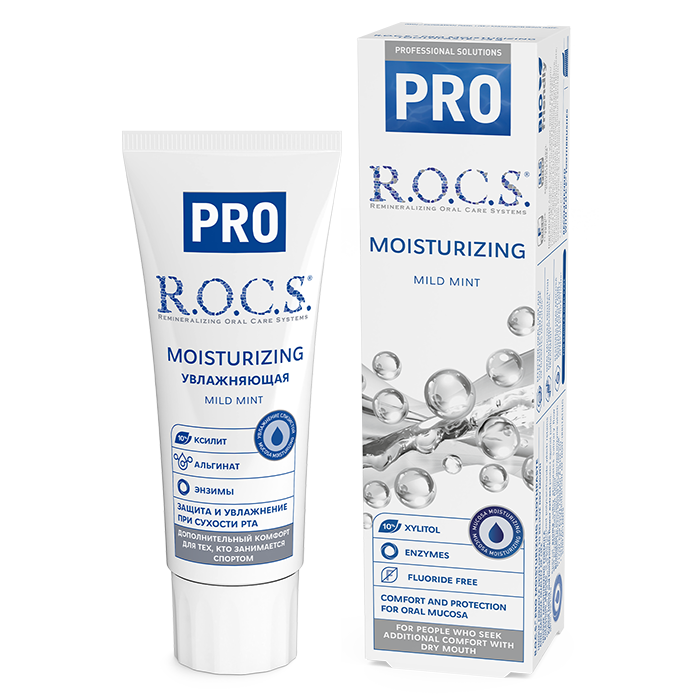
When saliva production drops, oral microorganisms damage the mucosa, and the risk of caries and periodontal disease rises sharply.
The combination of xylitol and potassium alginate creates a moisture-retaining layer on the mucosal surface and shields the tissues from microbes. Clinical studies have shown that R.O.C.S. PRO Moisturizing toothpaste, which contains this complex, relieves dry mouth, including in patients with diabetes and post-COVID syndrome. The alginate-xylitol complex can also reduce the severity of mucositis caused by cancer chemotherapy and help prevent candidiasis by inhibiting the adhesion of Candida fungi.
It has a mild, refreshing flavor with green tea notes. The color (cream to brown) comes from its plant-based ingredients. Contains no artificial colorants.
* Russian Abrasivity Index reflects the cleaning capacity level of oral care products and polishing pastes. Products with a higher RIA value have enhanced cleaning properties, but are also a risk factor for the development of non-carious dental lesions, therefore the choice of toothpaste should be guided by the condition of the hard dental tissues.
The DRC group of companies, in collaboration with the Institute of Digital Dentistry of the RUDN Medical Institute, has developed and is implementing a new toothpaste abrasivity measurement standard in Russia that meets the highest requirements: safety, accuracy, reproducibility. Принято. This methodology is an alternative to the RDA measurement method and offers a number of advantages. Its effectiveness has been confirmed by a large-scale experimental and clinical study involving 534 patients.
The methodology is based on a rotary machine and digital technologies developed by a research group of dentists, physicists, and digital modeling specialists. QLF diagnostics, intraoral scanning, and digital analysis were used in the work, which made it possible to obtain objective data on tooth wear and the influence of abrasivity over time.
More detailed information on the Russian Abrasivity Index (RIA)
Evidence of increased saliva flow, improved saliva quality, and better hygiene and periodontal status:
The manifestations of SARS-CoV-2 in the oral cavity during the course of the disease are well understood. However, only a few studies have examined the dental status of patients with post-COVID syndrome.
This study aims to determine the hygiene index and some indicators of oral fluid in patients with PKS when using different toothpastes.
Sixty-eight patients aged 27–40 years who had recovered from coronavirus infection no more than six months prior to the start of the study were examined. During the period of illness, all patients who had recovered from coronavirus infection used the same treatment regimen, including anticoagulants, antibiotics, and vitamins. All patients were diagnosed with Post-COVID-19 Condition (ICD-10 U09.9) by their general practitioner.
The distribution into groups was based on questionnaire data and depended on the toothpaste used during the six months after the illness:
The control group consisted of patients who had not had coronavirus infection (16 people).
The study found that the oral fluid indicators in patients with post-COVID syndrome differed significantly from those in the comparison group (Table 1). The differences between the three groups of patients using different hygiene products were also significant for all indicators (р < 0,05).
Table 1. Hygiene index and some indicators of oral fluid
| Parameter | Patients with post-COVID syndrome | Control group | |||
|---|---|---|---|---|---|
| Group 1 | Group 2 | Group 3 | Average | ||
| Salivation rate, ml/min | 0,56 ± 0,03 | 0,32 ± 0,02 | 0,31 ± 0,09 | 0,41 ± 0,03 | 0,54 ± 0,02 |
| Saliva viscosity, relative units | 1,12 ± 0,05 | 1,96 ± 0,04 | 2,08 ± 0,05 | 1,98 ±0,04 | 1,43 ±0,03 |
| Oral fluid pH | 7,24 ± 0,18 | 6,12 ± 0,12 | 6,35 ± 0,27 | 6,95 ±0,16 | 7,12 ±0,15 |
| Saliva mineralising potential, points | 2,24 ± 0,07 | 1,32 ± 0,17 | 1,67 ± 0,05 | 1,26 ±0,06 | 2,34 ± 0,08 |
| Lysozyme activity, % | 42,23 ± 2,65 | 31,42 ± 3,09 | 34,12 ± 2,72 | 32,26 ± 2,09 | 41,64 ±3,18 |
| Catalysin LL37 in oral fluid, μg/ml | 27,43 ±1,38 | 12,32 ± 2,63 | 16,38 ± 2,19 | 13,43 ±1,26 | 29,42 ± 2,47 |
| O'Leary hygiene index, % | 36,46 ± 2,48 | 68,79 ± 4,72 | 52,57 ± 4,67 | 53,64 ± 2,76 | 46,13 ±3,87 |
It has been established that certain indicators of oral fluid are significantly altered in patients with post-COVID syndrome.
It has been reliably demonstrated that the choice of toothpaste has an impact on these indicators. The use of R.O.C.S. Moisturising toothpaste improves the properties of oral fluid in patients with post-COVID syndrome.
A total of 40 people with moderate chronic generalized periodontitis (CGP) and type 2 diabetes mellitus (DM) suffering from xerostomia were examined. All patients completed a questionnaire, underwent a dental examination, index-based assessment of periodontal status, a course of professional oral hygiene, sialometry, and oral fluid pH testing. The patients were randomly divided into two groups: experimental and control. Patients in the experimental group received recommendations to use a toothpaste containing xylitol and alginate, while patients in the control group continued using their previously used toothpastes without xylitol. A follow-up examination was conducted three months later.
In the experimental group of patients, improvement was found in all studied parameters: hygienic and periodontal status, salivary flow rate, and oral fluid pH values, as well as the absence of any irritating effect of the toothpaste on the sensitive oral mucosa.
A long-term study showed that patients with type 2 diabetes mellitus under the dynamic supervision of a dentist who regularly used "R.O.C.S. PRO Moisturizing" therapeutic and preventive toothpaste, as well as "R.O.C.S. Whitening Black Edition" mouthwash, after 2–2.5 years of follow-up, in the vast majority of cases did not require treatment for hard dental tissue pathology (90.91%), had good individual oral hygiene (Hygiene Index — 0.88±0.24), and remission of periodontal tissue pathology (87.27%) with a satisfactory level of dental care (Dental Care Index — 66.24%), unlike elderly people with T2DM who visited the dentist only when problems arose.
The aim of the study was to evaluate the effectiveness of the combined use of a moisturizing toothpaste and an oxygen mouthwash in patients with chronic generalized periodontitis (CGP) and cardiovascular diseases (CVD) suffering from xerostomia and halitosis. The study involved 42 patients (mean age 57 years), divided into a study group (n=22) and a comparison group (n=20). The follow-up lasted 3 months with assessment of hygiene indices, salivary flow rate, and oral fluid pH.
A total of 42 people (15 men and 27 women) with moderate chronic generalized periodontitis and cardiovascular diseases, in whom xerostomia and halitosis were identified based on subjective sensations, sialometry values, and halitometer readings, were followed.
Patient groups:
All participants were given identical toothbrushing instructions — twice a day, after meals, for at least 3.5–4 minutes, using a soft R.O.C.S. PRO toothbrush and interdental hygiene products.
The clinical examination included: analysis of complaints, medical history data, visual examination, assessment of the Silness–Loe hygiene index (Silness–Loe, 1962), the Muhlemann inflammation index (H.R. Muhlemann, 1971), sialometry of unstimulated saliva, and pH measurement of the oral fluid. The follow-up was carried out for 3 months with repeat examinations after 14 days, 1 month, and 3 months.
The use of the moisturizing toothpaste and oxygen mouthwash combination in the study group showed significant improvement in all evaluated parameters:
According to the survey, patients in the study group reported a significant reduction in dry mouth, decreased halitosis, and improved overall comfort. No significant changes in these parameters were observed in the comparison group. No irritating or allergenic effects of the test products on the oral mucosa were detected.
Proven reduction in xerostomia symptoms, improved local immunity and antimicrobial activity of saliva, and protection against the periodontopathogens Treponema denticola and Prevotella intermedia:
The presence of dry mouth syndrome in a patient is a risk factor for the development of inflammatory processes in the tissues surrounding dental implants, since such patients have objective prerequisites in the form of impaired microbiota and mucosal immunity of the oral cavity. These parameters can be optimized through rational oral hygiene using the special moisturizing toothpaste R.O.C.S. PRO MOISTURIZING.
Thirty days after the start of the study, patients with hyposalivation showed a trend toward improvement in dental status: at that time point, mild focal hyperemia of the oral mucosa was detected in only 3 (20%) individuals, and the mean xerostomia severity score decreased from 0.8 to 0.2 conventional units.
Positive dynamics were found in the parameters characterizing local oral immunity and the antimicrobial activity of saliva: the content of secretory immunoglobulin A (sIgA) in mixed saliva significantly increased by 67.21%, while the content of the antimicrobial peptide cathelicidin LL-37 decreased by 15.79%.
A significant decrease in the prevalence of the two studied periodontopathogens — Treponema denticola and Prevotella intermedia — was also noted.
Effectiveness of the alginate-xylitol complex for treating mucositis, normalizing microflora, and protecting against Candida fungi:
The use of R.O.C.S. toothpastes with the MINERALIN Enzyme complex followed by applications of "R.O.C.S. Mild care with camomile" toothpaste during high-intensity polychemotherapy prevents the development of severe forms of oral mucositis, reduces mucosal healing time to 5–7 days, alleviates pain, and normalizes the microbiocenosis by reducing the growth of pathogenic microflora (including Candida and coliform bacteria) and the frequency of cariogenic streptococci.
A total of 46 patients aged 12–17 years diagnosed with osteosarcoma and Ewing's sarcoma, receiving inpatient treatment at the Blokhin Research Institute of Pediatric Oncology and Hematology, were examined. The patients received high-intensity chemotherapy regimens (methotrexate, doxorubicin, ifosfamide, etoposide, vincristine, cisplatin).
Patient groups:
To study the microbiocenosis, oral fluid samples were collected three times: before the start of treatment, and 7 and 14 days after the start of chemotherapy. A total of 138 oral fluid samples were studied.
Baseline study (before the start of polychemotherapy): 330 microbial strains were isolated. Streptococci accounted for 32.4% of cases, staphylococci for 15.8% (S. epidermidis — 54%, S. aureus — 44%). Lactobacilli were isolated in only 13% of patients. A high level (8.8%) of coliform bacteria was detected. Candida fungi were found in 8.2% of cases. The species composition of streptococci: Str. salivarius (17.2%), Str. mutans (13.8%), Str. viridans (11%), Str. oralis (11%), Str. mitis (6.9%). Enterococci were isolated in 26.2% of cases.
Group 1 (after 14 days): a decrease in cariogenic streptococci was noted (Str. mutans — from 5.8% to 4.2%; Str. mitis — from 4.3% to 3.1%; Str. oralis — from 5% to 2.1%). The frequency of Candida detection decreased (from 6.5% to 4.2%), as did coliform bacteria (from 10.9% to 5.3%). A dysbiotic shift was observed in 80% of cases, grade I–II dysbiosis in 20% of cases, and no patients with grade III were present. A reduction in pain and a decrease in mucositis duration to 5–7 days, predominantly grade II severity, were noted.
Group 2 (after 14 days): an increase in the frequency of Str. mitis (from 2.1% to 6.6%), Str. β-haemolyticus (from 2.1% to 5%), and S. aureus (from 4.3% to 6.1%) was observed. The frequency of Candida detection increased (from 7.4% to 10%), as did coliform bacteria (from 7.4% to 8.8%). Patients with grade III mucositis predominated, and healing time increased to 12–14 days. Grade I–II dysbiosis was observed in 76% of patients, and grade III dysbiosis in 24%.
Evidence of the prebiotic and anti-adhesive properties of xylitol (normalization of microflora, protection against cariogenic bacteria and Candida fungi):
The high prevalence of caries in young children necessitates the use of therapeutic and preventive products that target the primary etiopathogenetic factor of this disease — pathogenic microflora. This study presents comparative data on the antimicrobial effectiveness of products containing xylitol and chlorhexidine, as well as their effect on the microbiocenosis composition of the dental biofilm.
A total of 30 patients aged 12 to 36 months with early childhood caries (18 boys and 12 girls) were followed for one month. The patients were divided into two equal groups using a blinded method:
It was recommended that the remineralizing gels be applied 4–5 times a day after toothbrushing. All procedures were performed by the patients' parents at home after receiving prior instruction.
At baseline and at the end of the prescribed treatment course, all patients underwent molecular biology testing using multiplex PCR at the NIMSI laboratory.
In group 1, a significant reduction in colonization by cariogenic species was detected, along with a positive effect of the R.O.C.S. Medical Minerals remineralizing gel components on the ratio of cariogenic to resident species, as well as a decrease in the quantity and frequency of detection of certain periodontopathogenic anaerobic bacteria (Table 1). An important positive feature of the change in the dental biofilm microbiocenosis composition in the first group was also the disappearance of Candida fungi.
Examination of the microbial flora of dental plaque in group 2 patients one month after treatment showed only some positive shifts in the ratio of cariogenic to normal flora, and a decrease in the frequency of detection of certain virulent strains. At the same time, the quantity and frequency of detection of representatives of the resident bacterial group — enterococci — decreased. In addition, the detection rate of the yeast-like fungus Candida albicans increased, with a statistically significant rise in the fungal colonization of dental plaque. These data indicate the development of dysbiosis with the use of chlorhexidine.
Table 1. Comparative assessment of changes in the frequency of detection of microbial flora in dental plaque between the two groups after a course of therapy
| Genus, species of bacteria | 0.1% chlorhexidine | R.O.C.S. Medical Minerals with xylitol |
|---|---|---|
| Streptococcus mutans (cariogenic strain) | no change | 45.4% reduction |
| Actinomyces spp. (cariogenic strain) | 33.3% reduction | 44.5% reduction |
| Veillonella parvula (resident) | 24.7% increase | 40.2% increase |
| Porphyromonas gingivalis (periodontopathogen) | 66.5% reduction | no change |
| Prevotella melaninogenica (virulent strain) | 20% increase | 44.5% reduction |
| Fusobacterium nucleatum (periodontopathogen) | 4.8-fold increase | 33.5% reduction |
| Candida albicans (fungus, pathogen) | 49.8% increase | complete disappearance |
A clinical examination after one month showed no new carious cavities or demineralization foci in group 1 patients; existing chalky spots regained their luster; the progression of carious defects was halted; and signs of catarrhal gingivitis disappeared.
During the clinical examination of group 2 patients, no new carious cavities were recorded either; the disappearance of catarrhal gingivitis signs was observed in 80% of patients (of those who had it at baseline).
The inclusion of both xylitol and chlorhexidine as antimicrobial therapy in the comprehensive treatment plan for early childhood caries leads to a reduction in the detection frequency and colonization level of cariogenic and periodontopathogenic flora in dental plaque.
The data presented indicate a more physiological action of xylitol; it has a positive effect on the microbiocenosis composition of the dental biofilm, normalizing the qualitative (species) composition and the quantitative bacterial load of both cariogenic and stabilizing resident species.
Very few substances are known today that can significantly affect the caries-causing environment in the mouth and reduce the risk of tooth decay. One of the most widely studied substances with an anti-caries effect is xylitol. However, the antibacterial mechanism of xylitol is not fully understood. This study provides data confirming xylitol's ability to significantly inhibit the adhesion of oral streptococci, the primary formers of dental plaque. These bacteria delay the development of caries- and periodontal disease-causing bacteria on tooth surfaces through a mechanism called co-adhesion. We also revealed the ability of xylitol to inhibit the adhesion of Streptococcus sobrinus, a microorganism associated with caries, and Staphylococcus aureus, which increases the virulence level of dental plaque. This mechanism of action is realised in toothpaste within the time period traditionally recommended for brushing teeth.
R.O.C.S. toothpaste with bromelain significantly improves oral hygiene, slows plaque formation and reduces its cariogenicity, provides a long-lasting clean feeling, and reduces gum inflammation and bleeding:
The study aimed to compare the effects of two toothpastes: one containing the broad-spectrum antiseptic triclosan and sodium fluoride ([F⁻] = 0.145%), and the other containing xylitol, bromelain, calcium glycerophosphate, and magnesium chloride. The study examined their impact on the hygienic state of the oral cavity, plaque formation rates, cariesogenicity, and gingivitis intensity. Over a period of three months, 60 volunteers aged 18–45 years of both sexes brushed their teeth with a sample of one of the toothpastes. R.O.C.S. toothpaste was more effective in all measured areas
R.O.C.S. toothpaste with a MINERALIN Enzyme complex slows down the formation of dental plaque, provides high cleaning efficacy and preventive action against dental caries and inflammatory periodontal diseases, and can be recommended to patients for the individual prevention of the most common dental diseases.
Adult volunteers (aged 22–40) brushed their teeth twice a day (morning and evening) with samples of toothpaste from different price categories for two months. All participants were provided with the same toothbrushes and received training in a standardised oral hygiene care method. The results of the study showed that the condition of the participants' oral cavities depended on the toothpaste used. Statistically significant positive changes were only observed when using enzyme-containing toothpastes from the medium and higher price categories, such as R.O.C.S. and Rembrandt. Using R.O.C.S. and Rembrandt toothpastes resulted in significant improvements in the oral hygiene of all participants. After two weeks from the start of the study, the anti-inflammatory efficacy of these toothpastes was 44.8% and 38.5%, respectively. During the R.O.C.S. toothpaste trial, many participants also reported that their teeth felt smooth for longer – until the next brushing.
The present study aimed to evaluate the effect of R.O.C.S. enzyme-containing toothpaste with bromelain and xylitol on the adhesion of microorganisms in the human oral cavity. A positive control was created using R.O.C.S. toothpaste with xylitol, but without the enzyme.
Anti-adhesive activity was studied using a culture of human embryonic musculocutaneous fibroblasts.
The test microorganism cultures were clinical strains of microorganisms isolated from the oral cavities of volunteers: Staphylococcus aureus, Streptococcus salivarius, Streptococcus sanguis and Streptococcus sobrinus.
A sample of the toothpaste at a dilution of 1:20,000 (in the presence of 50% human serum) and a culture of the test strain at a dose of 10⁸ KOU/ml were added to the cell culture and incubated at 37 °C. After incubation, the monolayer cells were washed to remove unattached bacteria by repeatedly changing the Eagle's medium. The cells were then fixed with ethyl alcohol, stained with Romanowsky-Giemsa, and examined under a microscope.
The degree of microbial adhesion was determined by the microbial load relative to the control, which was taken as 100%.
The study was carried out using the blind method. All studies were carried out three times.
After three minutes of incubation, which corresponds to the duration of normal tooth brushing, the suppression of adhesion was as follows:
However, when the exposure time was increased to 2 hours, the anti-adhesive efficacy decreased significantly. This seems to be due to the adhesion becoming reversible shortly after the strains were introduced into the model system, as adhesion usually becomes irreversible after 1–2 hours.
Fig. 1. Control fibroblast cells
Fig. 2. Cells + Str. salivarius
Fig. 3. Cells + S. salivarius + bromelain paste
(exposure 2h.)
Fig. 4. Cells + Str.salivarius + paste with bromelain
(exposure 3 min.)
Aqua, Glycerin, Xylitol, Silica, Potassium Alginate, Aroma, Lonicera Japonica Extract, Lonicera Caprifolium Extract, Cocamidopropyl Betaine, Sodium Lauroyl Sarcosinate, Bromelain, Sodium Benzoate, Potassium Sorbate, Xanthan Gum, Sodium Saccharin, Stevioside, O-cymen-5-ol, Limonene.
Brush twice a day (morning and evening) with a soft (or medium) toothbrush. Recommended toothbrushing time is 2-3 minutes.
Suitable for all ages, with no time restrictions on use.
When saliva production drops or saliva loses its mineralizing power, the risk of dental problems (caries, erosion, and more) rises sharply. That's why we recommend using R.O.C.S. Medical Minerals remineralizing gel after every brushing.
Description
Active ingredients
Properties
RIA
Clinical trials
Ingredients
Application
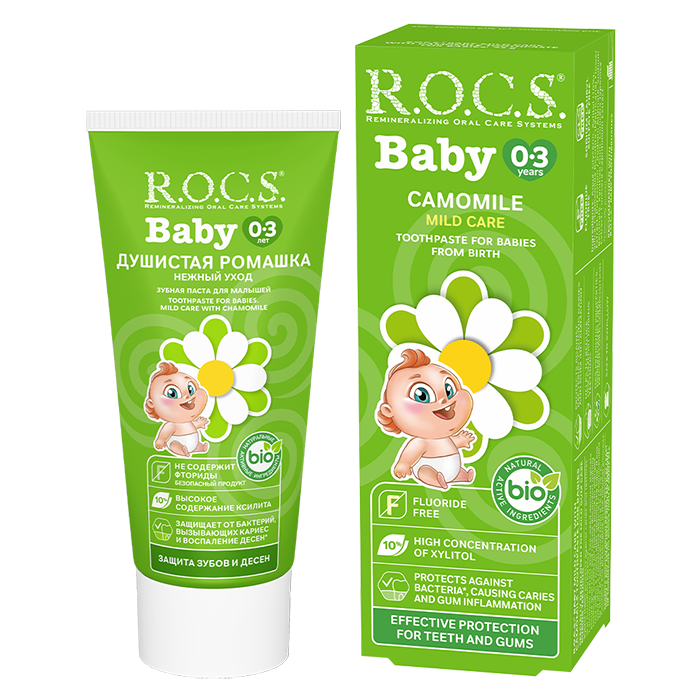
The unique toothpastes in the R.O.C.S. Baby line are designed for oral care in babies from the earliest age. The combination of xylitol and kelp-derived potassium alginate helps rebalance the oral microbiome and restore the mucosa after teething.
The formula is enhanced with extracts of German chamomile, Japanese honeysuckle, and Caprifol honeysuckle.
The toothpaste has a low-foaming formula to help prevent gagging during brushing. The texture is gel-like, and the color is cream.
It has a pleasant sweet taste, with no added flavoring.
* Russian Abrasivity Index reflects the cleaning capacity level of oral care products and polishing pastes. Products with a higher RIA value have enhanced cleaning properties, but are also a risk factor for the development of non-carious dental lesions, therefore the choice of toothpaste should be guided by the condition of the hard dental tissues.
The DRC group of companies, in collaboration with the Institute of Digital Dentistry of the RUDN Medical Institute, has developed and is implementing a new toothpaste abrasivity measurement standard in Russia that meets the highest requirements: safety, accuracy, reproducibility. Принято. This methodology is an alternative to the RDA measurement method and offers a number of advantages. Its effectiveness has been confirmed by a large-scale experimental and clinical study involving 534 patients.
The methodology is based on a rotary machine and digital technologies developed by a research group of dentists, physicists, and digital modeling specialists. QLF diagnostics, intraoral scanning, and digital analysis were used in the work, which made it possible to obtain objective data on tooth wear and the influence of abrasivity over time.
More detailed information on the Russian Abrasivity Index (RIA)
Evidence of the prebiotic and anti-adhesive properties (normalization of microflora, protection against cariogenic bacteria and Candida fungi):
The high prevalence of caries in young children necessitates the use of therapeutic and preventive products that target the primary etiopathogenetic factor of this disease — pathogenic microflora. This study presents comparative data on the antimicrobial effectiveness of products containing xylitol and chlorhexidine, as well as their effect on the microbiocenosis composition of the dental biofilm.
A total of 30 patients aged 12 to 36 months with early childhood caries (18 boys and 12 girls) were followed for one month. The patients were divided into two equal groups using a blinded method:
It was recommended that the remineralizing gels be applied 4–5 times a day after toothbrushing. All procedures were performed by the patients' parents at home after receiving prior instruction.
At baseline and at the end of the prescribed treatment course, all patients underwent molecular biology testing using multiplex PCR at the NIMSI laboratory.
In group 1, a significant reduction in colonization by cariogenic species was detected, along with a positive effect of the R.O.C.S. Medical Minerals remineralizing gel components on the ratio of cariogenic to resident species, as well as a decrease in the quantity and frequency of detection of certain periodontopathogenic anaerobic bacteria (Table 1). An important positive feature of the change in the dental biofilm microbiocenosis composition in the first group was also the disappearance of Candida fungi.
Examination of the microbial flora of dental plaque in group 2 patients one month after treatment showed only some positive shifts in the ratio of cariogenic to normal flora, and a decrease in the frequency of detection of certain virulent strains. At the same time, the quantity and frequency of detection of representatives of the resident bacterial group — enterococci — decreased. In addition, the detection rate of the yeast-like fungus Candida albicans increased, with a statistically significant rise in the fungal colonization of dental plaque. These data indicate the development of dysbiosis with the use of chlorhexidine.
Table 1. Comparative assessment of changes in the frequency of detection of microbial flora in dental plaque between the two groups after a course of therapy
| Genus, species of bacteria | 0.1% chlorhexidine | R.O.C.S. Medical Minerals with xylitol |
|---|---|---|
| Streptococcus mutans (cariogenic strain) | no change | 45.4% reduction |
| Actinomyces spp. (cariogenic strain) | 33.3% reduction | 44.5% reduction |
| Veillonella parvula (resident) | 24.7% increase | 40.2% increase |
| Porphyromonas gingivalis (periodontopathogen) | 66.5% reduction | no change |
| Prevotella melaninogenica (virulent strain) | 20% increase | 44.5% reduction |
| Fusobacterium nucleatum (periodontopathogen) | 4.8-fold increase | 33.5% reduction |
| Candida albicans (fungus, pathogen) | 49.8% increase | complete disappearance |
A clinical examination after one month showed no new carious cavities or demineralization foci in group 1 patients; existing chalky spots regained their luster; the progression of carious defects was halted; and signs of catarrhal gingivitis disappeared.
During the clinical examination of group 2 patients, no new carious cavities were recorded either; the disappearance of catarrhal gingivitis signs was observed in 80% of patients (of those who had it at baseline).
The inclusion of both xylitol and chlorhexidine as antimicrobial therapy in the comprehensive treatment plan for early childhood caries leads to a reduction in the detection frequency and colonization level of cariogenic and periodontopathogenic flora in dental plaque.
The data presented indicate a more physiological action of xylitol; it has a positive effect on the microbiocenosis composition of the dental biofilm, normalizing the qualitative (species) composition and the quantitative bacterial load of both cariogenic and stabilizing resident species.
Very few substances are known today that can significantly affect the caries-causing environment in the mouth and reduce the risk of tooth decay. One of the most widely studied substances with an anti-caries effect is xylitol. However, the antibacterial mechanism of xylitol is not fully understood. This study provides data confirming xylitol's ability to significantly inhibit the adhesion of oral streptococci, the primary formers of dental plaque. These bacteria delay the development of caries- and periodontal disease-causing bacteria on tooth surfaces through a mechanism called co-adhesion. We also revealed the ability of xylitol to inhibit the adhesion of Streptococcus sobrinus, a microorganism associated with caries, and Staphylococcus aureus, which increases the virulence level of dental plaque. This mechanism of action is realised in toothpaste within the time period traditionally recommended for brushing teeth.
Effectiveness of the alginate-xylitol complex for treating mucositis, normalizing microflora, and protecting against Candida fungi:
The use of R.O.C.S. toothpastes with the MINERALIN Enzyme complex followed by applications of "R.O.C.S. Mild care with camomile" toothpaste during high-intensity polychemotherapy prevents the development of severe forms of oral mucositis, reduces mucosal healing time to 5–7 days, alleviates pain, and normalizes the microbiocenosis by reducing the growth of pathogenic microflora (including Candida and coliform bacteria) and the frequency of cariogenic streptococci.
A total of 46 patients aged 12–17 years diagnosed with osteosarcoma and Ewing's sarcoma, receiving inpatient treatment at the Blokhin Research Institute of Pediatric Oncology and Hematology, were examined. The patients received high-intensity chemotherapy regimens (methotrexate, doxorubicin, ifosfamide, etoposide, vincristine, cisplatin).
Patient groups:
To study the microbiocenosis, oral fluid samples were collected three times: before the start of treatment, and 7 and 14 days after the start of chemotherapy. A total of 138 oral fluid samples were studied.
Baseline study (before the start of polychemotherapy): 330 microbial strains were isolated. Streptococci accounted for 32.4% of cases, staphylococci for 15.8% (S. epidermidis — 54%, S. aureus — 44%). Lactobacilli were isolated in only 13% of patients. A high level (8.8%) of coliform bacteria was detected. Candida fungi were found in 8.2% of cases. The species composition of streptococci: Str. salivarius (17.2%), Str. mutans (13.8%), Str. viridans (11%), Str. oralis (11%), Str. mitis (6.9%). Enterococci were isolated in 26.2% of cases.
Group 1 (after 14 days): a decrease in cariogenic streptococci was noted (Str. mutans — from 5.8% to 4.2%; Str. mitis — from 4.3% to 3.1%; Str. oralis — from 5% to 2.1%). The frequency of Candida detection decreased (from 6.5% to 4.2%), as did coliform bacteria (from 10.9% to 5.3%). A dysbiotic shift was observed in 80% of cases, grade I–II dysbiosis in 20% of cases, and no patients with grade III were present. A reduction in pain and a decrease in mucositis duration to 5–7 days, predominantly grade II severity, were noted.
Group 2 (after 14 days): an increase in the frequency of Str. mitis (from 2.1% to 6.6%), Str. β-haemolyticus (from 2.1% to 5%), and S. aureus (from 4.3% to 6.1%) was observed. The frequency of Candida detection increased (from 7.4% to 10%), as did coliform bacteria (from 7.4% to 8.8%). Patients with grade III mucositis predominated, and healing time increased to 12–14 days. Grade I–II dysbiosis was observed in 76% of patients, and grade III dysbiosis in 24%.
Aqua, Glycerin, Xylitol, Silica, Chamomilla Recutita (Matricaria) Flower Extract, Potassium (Sodium) Alginate, Sodium Benzoate, Xanthan Gum, Lonicera Caprifolium Extract, Lonicera Japonica Extract.
Use R.O.C.S. toothpaste twice a day (morning and evening) with a small-headed toothbrush. Recommended toothbrushing time is 2-3 minutes.
Use within one month of opening.
Description
Active ingredients
Properties
RIA
Clinical trials
Ingredients
Application
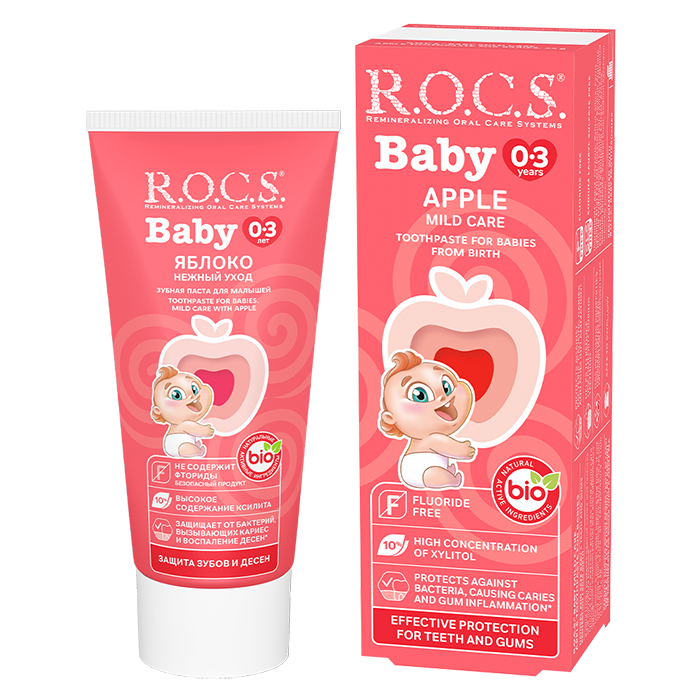
The unique toothpastes in the R.O.C.S. Baby line are designed for oral care in babies from the earliest age. The combination of xylitol and kelp-derived potassium alginate helps rebalance the oral microbiome and restore the mucosa after teething.
The formula is enhanced with plant extracts of quince fruit, Japanese honeysuckle, and Caprifol honeysuckle flowers.
The toothpaste has a low-foaming formula to help prevent gagging during brushing. The texture is gel-like, and the color is cream.
Available in three bright flavors: banana, apple, and apple-strawberry.
* Russian Abrasivity Index reflects the cleaning capacity level of oral care products and polishing pastes. Products with a higher RIA value have enhanced cleaning properties, but are also a risk factor for the development of non-carious dental lesions, therefore the choice of toothpaste should be guided by the condition of the hard dental tissues.
The DRC group of companies, in collaboration with the Institute of Digital Dentistry of the RUDN Medical Institute, has developed and is implementing a new toothpaste abrasivity measurement standard in Russia that meets the highest requirements: safety, accuracy, reproducibility. Принято. This methodology is an alternative to the RDA measurement method and offers a number of advantages. Its effectiveness has been confirmed by a large-scale experimental and clinical study involving 534 patients.
The methodology is based on a rotary machine and digital technologies developed by a research group of dentists, physicists, and digital modeling specialists. QLF diagnostics, intraoral scanning, and digital analysis were used in the work, which made it possible to obtain objective data on tooth wear and the influence of abrasivity over time.
More detailed information on the Russian Abrasivity Index (RIA)
Confirmation of prebiotic and anti-adhesive properties (normalization of microflora, protection against cariogenic bacteria and Candida fungi):
The high prevalence of caries in young children necessitates the use of therapeutic and preventive products that target the primary etiopathogenetic factor of this disease — pathogenic microflora. This study presents comparative data on the antimicrobial effectiveness of products containing xylitol and chlorhexidine, as well as their effect on the microbiocenosis composition of the dental biofilm.
A total of 30 patients aged 12 to 36 months with early childhood caries (18 boys and 12 girls) were followed for one month. The patients were divided into two equal groups using a blinded method:
It was recommended that the remineralizing gels be applied 4–5 times a day after toothbrushing. All procedures were performed by the patients' parents at home after receiving prior instruction.
At baseline and at the end of the prescribed treatment course, all patients underwent molecular biology testing using multiplex PCR at the NIMSI laboratory.
In group 1, a significant reduction in colonization by cariogenic species was detected, along with a positive effect of the R.O.C.S. Medical Minerals remineralizing gel components on the ratio of cariogenic to resident species, as well as a decrease in the quantity and frequency of detection of certain periodontopathogenic anaerobic bacteria (Table 1). An important positive feature of the change in the dental biofilm microbiocenosis composition in the first group was also the disappearance of Candida fungi.
Examination of the microbial flora of dental plaque in group 2 patients one month after treatment showed only some positive shifts in the ratio of cariogenic to normal flora, and a decrease in the frequency of detection of certain virulent strains. At the same time, the quantity and frequency of detection of representatives of the resident bacterial group — enterococci — decreased. In addition, the detection rate of the yeast-like fungus Candida albicans increased, with a statistically significant rise in the fungal colonization of dental plaque. These data indicate the development of dysbiosis with the use of chlorhexidine.
Table 1. Comparative assessment of changes in the frequency of detection of microbial flora in dental plaque between the two groups after a course of therapy
| Genus, species of bacteria | 0.1% chlorhexidine | R.O.C.S. Medical Minerals with xylitol |
|---|---|---|
| Streptococcus mutans (cariogenic strain) | no change | 45.4% reduction |
| Actinomyces spp. (cariogenic strain) | 33.3% reduction | 44.5% reduction |
| Veillonella parvula (resident) | 24.7% increase | 40.2% increase |
| Porphyromonas gingivalis (periodontopathogen) | 66.5% reduction | no change |
| Prevotella melaninogenica (virulent strain) | 20% increase | 44.5% reduction |
| Fusobacterium nucleatum (periodontopathogen) | 4.8-fold increase | 33.5% reduction |
| Candida albicans (fungus, pathogen) | 49.8% increase | complete disappearance |
A clinical examination after one month showed no new carious cavities or demineralization foci in group 1 patients; existing chalky spots regained their luster; the progression of carious defects was halted; and signs of catarrhal gingivitis disappeared.
During the clinical examination of group 2 patients, no new carious cavities were recorded either; the disappearance of catarrhal gingivitis signs was observed in 80% of patients (of those who had it at baseline).
The inclusion of both xylitol and chlorhexidine as antimicrobial therapy in the comprehensive treatment plan for early childhood caries leads to a reduction in the detection frequency and colonization level of cariogenic and periodontopathogenic flora in dental plaque.
The data presented indicate a more physiological action of xylitol; it has a positive effect on the microbiocenosis composition of the dental biofilm, normalizing the qualitative (species) composition and the quantitative bacterial load of both cariogenic and stabilizing resident species.
Very few substances are known today that can significantly affect the caries-causing environment in the mouth and reduce the risk of tooth decay. One of the most widely studied substances with an anti-caries effect is xylitol. However, the antibacterial mechanism of xylitol is not fully understood. This study provides data confirming xylitol's ability to significantly inhibit the adhesion of oral streptococci, the primary formers of dental plaque. These bacteria delay the development of caries- and periodontal disease-causing bacteria on tooth surfaces through a mechanism called co-adhesion. We also revealed the ability of xylitol to inhibit the adhesion of Streptococcus sobrinus, a microorganism associated with caries, and Staphylococcus aureus, which increases the virulence level of dental plaque. This mechanism of action is realised in toothpaste within the time period traditionally recommended for brushing teeth.
Effectiveness of the alginate-xylitol complex for treating mucositis, normalizing microflora, and protecting against Candida fungi:
The use of R.O.C.S. toothpastes with the MINERALIN Enzyme complex followed by applications of "R.O.C.S. Mild care with camomile" toothpaste during high-intensity polychemotherapy prevents the development of severe forms of oral mucositis, reduces mucosal healing time to 5–7 days, alleviates pain, and normalizes the microbiocenosis by reducing the growth of pathogenic microflora (including Candida and coliform bacteria) and the frequency of cariogenic streptococci.
A total of 46 patients aged 12–17 years diagnosed with osteosarcoma and Ewing's sarcoma, receiving inpatient treatment at the Blokhin Research Institute of Pediatric Oncology and Hematology, were examined. The patients received high-intensity chemotherapy regimens (methotrexate, doxorubicin, ifosfamide, etoposide, vincristine, cisplatin).
Patient groups:
To study the microbiocenosis, oral fluid samples were collected three times: before the start of treatment, and 7 and 14 days after the start of chemotherapy. A total of 138 oral fluid samples were studied.
Baseline study (before the start of polychemotherapy): 330 microbial strains were isolated. Streptococci accounted for 32.4% of cases, staphylococci for 15.8% (S. epidermidis — 54%, S. aureus — 44%). Lactobacilli were isolated in only 13% of patients. A high level (8.8%) of coliform bacteria was detected. Candida fungi were found in 8.2% of cases. The species composition of streptococci: Str. salivarius (17.2%), Str. mutans (13.8%), Str. viridans (11%), Str. oralis (11%), Str. mitis (6.9%). Enterococci were isolated in 26.2% of cases.
Group 1 (after 14 days): a decrease in cariogenic streptococci was noted (Str. mutans — from 5.8% to 4.2%; Str. mitis — from 4.3% to 3.1%; Str. oralis — from 5% to 2.1%). The frequency of Candida detection decreased (from 6.5% to 4.2%), as did coliform bacteria (from 10.9% to 5.3%). A dysbiotic shift was observed in 80% of cases, grade I–II dysbiosis in 20% of cases, and no patients with grade III were present. A reduction in pain and a decrease in mucositis duration to 5–7 days, predominantly grade II severity, were noted.
Group 2 (after 14 days): an increase in the frequency of Str. mitis (from 2.1% to 6.6%), Str. β-haemolyticus (from 2.1% to 5%), and S. aureus (from 4.3% to 6.1%) was observed. The frequency of Candida detection increased (from 7.4% to 10%), as did coliform bacteria (from 7.4% to 8.8%). Patients with grade III mucositis predominated, and healing time increased to 12–14 days. Grade I–II dysbiosis was observed in 76% of patients, and grade III dysbiosis in 24%.
The toothpastes differ only in their flavor components; otherwise, their formulations are identical:
Aqua, Glycerin, Xylitol, Silica, Pyrus Cydonia Fruit Extract, Potassium Alginate, PEG-40 Hydrogenated Castor Oil, Lonicera Japonica Extract, Lonicera Caprifolium, Aroma, Sodium Benzoate, Xanthan Gum, Sodium Saccharin, Cinnamal, Eugenol.
Aqua, Glycerin, Xylitol, Silica, Pyrus Cydonia Fruit Extract, Potassium Alginate, PEG-40 Hydrogenated Castor Oil, Lonicera Japonica Extract, Lonicera Coprifolium Extract, Aroma, Sodium Benzoate, Potassium Sorbate, Xanthan Gum, Sodium Saccharin.
Use twice a day (morning and evening) with a small-headed children's toothbrush. Recommended toothbrushing time is 2-3 minutes.
Use within one month of opening.
When saliva production drops, oral microorganisms damage the mucosa, and the risk of caries and periodontal disease rises sharply.
The combination of xylitol and potassium alginate creates a moisture-retaining layer on the mucosal surface and shields the tissues from microbes. Clinical studies have shown that R.O.C.S. PRO Moisturizing toothpaste, which contains this complex, relieves dry mouth, including in patients with diabetes and post-COVID syndrome. The alginate-xylitol complex can also reduce the severity of mucositis caused by cancer chemotherapy and help prevent candidiasis by inhibiting the adhesion of Candida fungi.
It has a mild, refreshing flavor with green tea notes. The color (cream to brown) comes from its plant-based ingredients. Contains no artificial colorants.
* Russian Abrasivity Index reflects the cleaning capacity level of oral care products and polishing pastes. Products with a higher RIA value have enhanced cleaning properties, but are also a risk factor for the development of non-carious dental lesions, therefore the choice of toothpaste should be guided by the condition of the hard dental tissues.
The DRC group of companies, in collaboration with the Institute of Digital Dentistry of the RUDN Medical Institute, has developed and is implementing a new toothpaste abrasivity measurement standard in Russia that meets the highest requirements: safety, accuracy, reproducibility. Принято. This methodology is an alternative to the RDA measurement method and offers a number of advantages. Its effectiveness has been confirmed by a large-scale experimental and clinical study involving 534 patients.
The methodology is based on a rotary machine and digital technologies developed by a research group of dentists, physicists, and digital modeling specialists. QLF diagnostics, intraoral scanning, and digital analysis were used in the work, which made it possible to obtain objective data on tooth wear and the influence of abrasivity over time.
More detailed information on the Russian Abrasivity Index (RIA)
Evidence of increased saliva flow, improved saliva quality, and better hygiene and periodontal status:
The manifestations of SARS-CoV-2 in the oral cavity during the course of the disease are well understood. However, only a few studies have examined the dental status of patients with post-COVID syndrome.
This study aims to determine the hygiene index and some indicators of oral fluid in patients with PKS when using different toothpastes.
Sixty-eight patients aged 27–40 years who had recovered from coronavirus infection no more than six months prior to the start of the study were examined. During the period of illness, all patients who had recovered from coronavirus infection used the same treatment regimen, including anticoagulants, antibiotics, and vitamins. All patients were diagnosed with Post-COVID-19 Condition (ICD-10 U09.9) by their general practitioner.
The distribution into groups was based on questionnaire data and depended on the toothpaste used during the six months after the illness:
The control group consisted of patients who had not had coronavirus infection (16 people).
The study found that the oral fluid indicators in patients with post-COVID syndrome differed significantly from those in the comparison group (Table 1). The differences between the three groups of patients using different hygiene products were also significant for all indicators (р < 0,05).
Table 1. Hygiene index and some indicators of oral fluid
| Parameter | Patients with post-COVID syndrome | Control group | |||
|---|---|---|---|---|---|
| Group 1 | Group 2 | Group 3 | Average | ||
| Salivation rate, ml/min | 0,56 ± 0,03 | 0,32 ± 0,02 | 0,31 ± 0,09 | 0,41 ± 0,03 | 0,54 ± 0,02 |
| Saliva viscosity, relative units | 1,12 ± 0,05 | 1,96 ± 0,04 | 2,08 ± 0,05 | 1,98 ±0,04 | 1,43 ±0,03 |
| Oral fluid pH | 7,24 ± 0,18 | 6,12 ± 0,12 | 6,35 ± 0,27 | 6,95 ±0,16 | 7,12 ±0,15 |
| Saliva mineralising potential, points | 2,24 ± 0,07 | 1,32 ± 0,17 | 1,67 ± 0,05 | 1,26 ±0,06 | 2,34 ± 0,08 |
| Lysozyme activity, % | 42,23 ± 2,65 | 31,42 ± 3,09 | 34,12 ± 2,72 | 32,26 ± 2,09 | 41,64 ±3,18 |
| Catalysin LL37 in oral fluid, μg/ml | 27,43 ±1,38 | 12,32 ± 2,63 | 16,38 ± 2,19 | 13,43 ±1,26 | 29,42 ± 2,47 |
| O'Leary hygiene index, % | 36,46 ± 2,48 | 68,79 ± 4,72 | 52,57 ± 4,67 | 53,64 ± 2,76 | 46,13 ±3,87 |
It has been established that certain indicators of oral fluid are significantly altered in patients with post-COVID syndrome.
It has been reliably demonstrated that the choice of toothpaste has an impact on these indicators. The use of R.O.C.S. Moisturising toothpaste improves the properties of oral fluid in patients with post-COVID syndrome.
A total of 40 people with moderate chronic generalized periodontitis (CGP) and type 2 diabetes mellitus (DM) suffering from xerostomia were examined. All patients completed a questionnaire, underwent a dental examination, index-based assessment of periodontal status, a course of professional oral hygiene, sialometry, and oral fluid pH testing. The patients were randomly divided into two groups: experimental and control. Patients in the experimental group received recommendations to use a toothpaste containing xylitol and alginate, while patients in the control group continued using their previously used toothpastes without xylitol. A follow-up examination was conducted three months later.
In the experimental group of patients, improvement was found in all studied parameters: hygienic and periodontal status, salivary flow rate, and oral fluid pH values, as well as the absence of any irritating effect of the toothpaste on the sensitive oral mucosa.
A long-term study showed that patients with type 2 diabetes mellitus under the dynamic supervision of a dentist who regularly used "R.O.C.S. PRO Moisturizing" therapeutic and preventive toothpaste, as well as "R.O.C.S. Whitening Black Edition" mouthwash, after 2–2.5 years of follow-up, in the vast majority of cases did not require treatment for hard dental tissue pathology (90.91%), had good individual oral hygiene (Hygiene Index — 0.88±0.24), and remission of periodontal tissue pathology (87.27%) with a satisfactory level of dental care (Dental Care Index — 66.24%), unlike elderly people with T2DM who visited the dentist only when problems arose.
The aim of the study was to evaluate the effectiveness of the combined use of a moisturizing toothpaste and an oxygen mouthwash in patients with chronic generalized periodontitis (CGP) and cardiovascular diseases (CVD) suffering from xerostomia and halitosis. The study involved 42 patients (mean age 57 years), divided into a study group (n=22) and a comparison group (n=20). The follow-up lasted 3 months with assessment of hygiene indices, salivary flow rate, and oral fluid pH.
A total of 42 people (15 men and 27 women) with moderate chronic generalized periodontitis and cardiovascular diseases, in whom xerostomia and halitosis were identified based on subjective sensations, sialometry values, and halitometer readings, were followed.
Patient groups:
All participants were given identical toothbrushing instructions — twice a day, after meals, for at least 3.5–4 minutes, using a soft R.O.C.S. PRO toothbrush and interdental hygiene products.
The clinical examination included: analysis of complaints, medical history data, visual examination, assessment of the Silness–Loe hygiene index (Silness–Loe, 1962), the Muhlemann inflammation index (H.R. Muhlemann, 1971), sialometry of unstimulated saliva, and pH measurement of the oral fluid. The follow-up was carried out for 3 months with repeat examinations after 14 days, 1 month, and 3 months.
The use of the moisturizing toothpaste and oxygen mouthwash combination in the study group showed significant improvement in all evaluated parameters:
According to the survey, patients in the study group reported a significant reduction in dry mouth, decreased halitosis, and improved overall comfort. No significant changes in these parameters were observed in the comparison group. No irritating or allergenic effects of the test products on the oral mucosa were detected.
Proven reduction in xerostomia symptoms, improved local immunity and antimicrobial activity of saliva, and protection against the periodontopathogens Treponema denticola and Prevotella intermedia:
The presence of dry mouth syndrome in a patient is a risk factor for the development of inflammatory processes in the tissues surrounding dental implants, since such patients have objective prerequisites in the form of impaired microbiota and mucosal immunity of the oral cavity. These parameters can be optimized through rational oral hygiene using the special moisturizing toothpaste R.O.C.S. PRO MOISTURIZING.
Thirty days after the start of the study, patients with hyposalivation showed a trend toward improvement in dental status: at that time point, mild focal hyperemia of the oral mucosa was detected in only 3 (20%) individuals, and the mean xerostomia severity score decreased from 0.8 to 0.2 conventional units.
Positive dynamics were found in the parameters characterizing local oral immunity and the antimicrobial activity of saliva: the content of secretory immunoglobulin A (sIgA) in mixed saliva significantly increased by 67.21%, while the content of the antimicrobial peptide cathelicidin LL-37 decreased by 15.79%.
A significant decrease in the prevalence of the two studied periodontopathogens — Treponema denticola and Prevotella intermedia — was also noted.
Effectiveness of the alginate-xylitol complex for treating mucositis, normalizing microflora, and protecting against Candida fungi:
The use of R.O.C.S. toothpastes with the MINERALIN Enzyme complex followed by applications of "R.O.C.S. Mild care with camomile" toothpaste during high-intensity polychemotherapy prevents the development of severe forms of oral mucositis, reduces mucosal healing time to 5–7 days, alleviates pain, and normalizes the microbiocenosis by reducing the growth of pathogenic microflora (including Candida and coliform bacteria) and the frequency of cariogenic streptococci.
A total of 46 patients aged 12–17 years diagnosed with osteosarcoma and Ewing's sarcoma, receiving inpatient treatment at the Blokhin Research Institute of Pediatric Oncology and Hematology, were examined. The patients received high-intensity chemotherapy regimens (methotrexate, doxorubicin, ifosfamide, etoposide, vincristine, cisplatin).
Patient groups:
To study the microbiocenosis, oral fluid samples were collected three times: before the start of treatment, and 7 and 14 days after the start of chemotherapy. A total of 138 oral fluid samples were studied.
Baseline study (before the start of polychemotherapy): 330 microbial strains were isolated. Streptococci accounted for 32.4% of cases, staphylococci for 15.8% (S. epidermidis — 54%, S. aureus — 44%). Lactobacilli were isolated in only 13% of patients. A high level (8.8%) of coliform bacteria was detected. Candida fungi were found in 8.2% of cases. The species composition of streptococci: Str. salivarius (17.2%), Str. mutans (13.8%), Str. viridans (11%), Str. oralis (11%), Str. mitis (6.9%). Enterococci were isolated in 26.2% of cases.
Group 1 (after 14 days): a decrease in cariogenic streptococci was noted (Str. mutans — from 5.8% to 4.2%; Str. mitis — from 4.3% to 3.1%; Str. oralis — from 5% to 2.1%). The frequency of Candida detection decreased (from 6.5% to 4.2%), as did coliform bacteria (from 10.9% to 5.3%). A dysbiotic shift was observed in 80% of cases, grade I–II dysbiosis in 20% of cases, and no patients with grade III were present. A reduction in pain and a decrease in mucositis duration to 5–7 days, predominantly grade II severity, were noted.
Group 2 (after 14 days): an increase in the frequency of Str. mitis (from 2.1% to 6.6%), Str. β-haemolyticus (from 2.1% to 5%), and S. aureus (from 4.3% to 6.1%) was observed. The frequency of Candida detection increased (from 7.4% to 10%), as did coliform bacteria (from 7.4% to 8.8%). Patients with grade III mucositis predominated, and healing time increased to 12–14 days. Grade I–II dysbiosis was observed in 76% of patients, and grade III dysbiosis in 24%.
Evidence of the prebiotic and anti-adhesive properties of xylitol (normalization of microflora, protection against cariogenic bacteria and Candida fungi):
The high prevalence of caries in young children necessitates the use of therapeutic and preventive products that target the primary etiopathogenetic factor of this disease — pathogenic microflora. This study presents comparative data on the antimicrobial effectiveness of products containing xylitol and chlorhexidine, as well as their effect on the microbiocenosis composition of the dental biofilm.
A total of 30 patients aged 12 to 36 months with early childhood caries (18 boys and 12 girls) were followed for one month. The patients were divided into two equal groups using a blinded method:
It was recommended that the remineralizing gels be applied 4–5 times a day after toothbrushing. All procedures were performed by the patients' parents at home after receiving prior instruction.
At baseline and at the end of the prescribed treatment course, all patients underwent molecular biology testing using multiplex PCR at the NIMSI laboratory.
In group 1, a significant reduction in colonization by cariogenic species was detected, along with a positive effect of the R.O.C.S. Medical Minerals remineralizing gel components on the ratio of cariogenic to resident species, as well as a decrease in the quantity and frequency of detection of certain periodontopathogenic anaerobic bacteria (Table 1). An important positive feature of the change in the dental biofilm microbiocenosis composition in the first group was also the disappearance of Candida fungi.
Examination of the microbial flora of dental plaque in group 2 patients one month after treatment showed only some positive shifts in the ratio of cariogenic to normal flora, and a decrease in the frequency of detection of certain virulent strains. At the same time, the quantity and frequency of detection of representatives of the resident bacterial group — enterococci — decreased. In addition, the detection rate of the yeast-like fungus Candida albicans increased, with a statistically significant rise in the fungal colonization of dental plaque. These data indicate the development of dysbiosis with the use of chlorhexidine.
Table 1. Comparative assessment of changes in the frequency of detection of microbial flora in dental plaque between the two groups after a course of therapy
| Genus, species of bacteria | 0.1% chlorhexidine | R.O.C.S. Medical Minerals with xylitol |
|---|---|---|
| Streptococcus mutans (cariogenic strain) | no change | 45.4% reduction |
| Actinomyces spp. (cariogenic strain) | 33.3% reduction | 44.5% reduction |
| Veillonella parvula (resident) | 24.7% increase | 40.2% increase |
| Porphyromonas gingivalis (periodontopathogen) | 66.5% reduction | no change |
| Prevotella melaninogenica (virulent strain) | 20% increase | 44.5% reduction |
| Fusobacterium nucleatum (periodontopathogen) | 4.8-fold increase | 33.5% reduction |
| Candida albicans (fungus, pathogen) | 49.8% increase | complete disappearance |
A clinical examination after one month showed no new carious cavities or demineralization foci in group 1 patients; existing chalky spots regained their luster; the progression of carious defects was halted; and signs of catarrhal gingivitis disappeared.
During the clinical examination of group 2 patients, no new carious cavities were recorded either; the disappearance of catarrhal gingivitis signs was observed in 80% of patients (of those who had it at baseline).
The inclusion of both xylitol and chlorhexidine as antimicrobial therapy in the comprehensive treatment plan for early childhood caries leads to a reduction in the detection frequency and colonization level of cariogenic and periodontopathogenic flora in dental plaque.
The data presented indicate a more physiological action of xylitol; it has a positive effect on the microbiocenosis composition of the dental biofilm, normalizing the qualitative (species) composition and the quantitative bacterial load of both cariogenic and stabilizing resident species.
Very few substances are known today that can significantly affect the caries-causing environment in the mouth and reduce the risk of tooth decay. One of the most widely studied substances with an anti-caries effect is xylitol. However, the antibacterial mechanism of xylitol is not fully understood. This study provides data confirming xylitol's ability to significantly inhibit the adhesion of oral streptococci, the primary formers of dental plaque. These bacteria delay the development of caries- and periodontal disease-causing bacteria on tooth surfaces through a mechanism called co-adhesion. We also revealed the ability of xylitol to inhibit the adhesion of Streptococcus sobrinus, a microorganism associated with caries, and Staphylococcus aureus, which increases the virulence level of dental plaque. This mechanism of action is realised in toothpaste within the time period traditionally recommended for brushing teeth.
R.O.C.S. toothpaste with bromelain significantly improves oral hygiene, slows plaque formation and reduces its cariogenicity, provides a long-lasting clean feeling, and reduces gum inflammation and bleeding:
The study aimed to compare the effects of two toothpastes: one containing the broad-spectrum antiseptic triclosan and sodium fluoride ([F⁻] = 0.145%), and the other containing xylitol, bromelain, calcium glycerophosphate, and magnesium chloride. The study examined their impact on the hygienic state of the oral cavity, plaque formation rates, cariesogenicity, and gingivitis intensity. Over a period of three months, 60 volunteers aged 18–45 years of both sexes brushed their teeth with a sample of one of the toothpastes. R.O.C.S. toothpaste was more effective in all measured areas
R.O.C.S. toothpaste with a MINERALIN Enzyme complex slows down the formation of dental plaque, provides high cleaning efficacy and preventive action against dental caries and inflammatory periodontal diseases, and can be recommended to patients for the individual prevention of the most common dental diseases.
Adult volunteers (aged 22–40) brushed their teeth twice a day (morning and evening) with samples of toothpaste from different price categories for two months. All participants were provided with the same toothbrushes and received training in a standardised oral hygiene care method. The results of the study showed that the condition of the participants' oral cavities depended on the toothpaste used. Statistically significant positive changes were only observed when using enzyme-containing toothpastes from the medium and higher price categories, such as R.O.C.S. and Rembrandt. Using R.O.C.S. and Rembrandt toothpastes resulted in significant improvements in the oral hygiene of all participants. After two weeks from the start of the study, the anti-inflammatory efficacy of these toothpastes was 44.8% and 38.5%, respectively. During the R.O.C.S. toothpaste trial, many participants also reported that their teeth felt smooth for longer – until the next brushing.
The present study aimed to evaluate the effect of R.O.C.S. enzyme-containing toothpaste with bromelain and xylitol on the adhesion of microorganisms in the human oral cavity. A positive control was created using R.O.C.S. toothpaste with xylitol, but without the enzyme.
Anti-adhesive activity was studied using a culture of human embryonic musculocutaneous fibroblasts.
The test microorganism cultures were clinical strains of microorganisms isolated from the oral cavities of volunteers: Staphylococcus aureus, Streptococcus salivarius, Streptococcus sanguis and Streptococcus sobrinus.
A sample of the toothpaste at a dilution of 1:20,000 (in the presence of 50% human serum) and a culture of the test strain at a dose of 10⁸ KOU/ml were added to the cell culture and incubated at 37 °C. After incubation, the monolayer cells were washed to remove unattached bacteria by repeatedly changing the Eagle's medium. The cells were then fixed with ethyl alcohol, stained with Romanowsky-Giemsa, and examined under a microscope.
The degree of microbial adhesion was determined by the microbial load relative to the control, which was taken as 100%.
The study was carried out using the blind method. All studies were carried out three times.
After three minutes of incubation, which corresponds to the duration of normal tooth brushing, the suppression of adhesion was as follows:
However, when the exposure time was increased to 2 hours, the anti-adhesive efficacy decreased significantly. This seems to be due to the adhesion becoming reversible shortly after the strains were introduced into the model system, as adhesion usually becomes irreversible after 1–2 hours.
Fig. 1. Control fibroblast cells
Fig. 2. Cells + Str. salivarius
Fig. 3. Cells + S. salivarius + bromelain paste
(exposure 2h.)
Fig. 4. Cells + Str.salivarius + paste with bromelain
(exposure 3 min.)
Aqua, Glycerin, Xylitol, Silica, Potassium Alginate, Aroma, Lonicera Japonica Extract, Lonicera Caprifolium Extract, Cocamidopropyl Betaine, Sodium Lauroyl Sarcosinate, Bromelain, Sodium Benzoate, Potassium Sorbate, Xanthan Gum, Sodium Saccharin, Stevioside, O-cymen-5-ol, Limonene.
Brush twice a day (morning and evening) with a soft (or medium) toothbrush. Recommended toothbrushing time is 2-3 minutes.
Suitable for all ages, with no time restrictions on use.
When saliva production drops or saliva loses its mineralizing power, the risk of dental problems (caries, erosion, and more) rises sharply. That's why we recommend using R.O.C.S. Medical Minerals remineralizing gel after every brushing.
The unique toothpastes in the R.O.C.S. Baby line are designed for oral care in babies from the earliest age. The combination of xylitol and kelp-derived potassium alginate helps rebalance the oral microbiome and restore the mucosa after teething.
The formula is enhanced with extracts of German chamomile, Japanese honeysuckle, and Caprifol honeysuckle.
The toothpaste has a low-foaming formula to help prevent gagging during brushing. The texture is gel-like, and the color is cream.
It has a pleasant sweet taste, with no added flavoring.
* Russian Abrasivity Index reflects the cleaning capacity level of oral care products and polishing pastes. Products with a higher RIA value have enhanced cleaning properties, but are also a risk factor for the development of non-carious dental lesions, therefore the choice of toothpaste should be guided by the condition of the hard dental tissues.
The DRC group of companies, in collaboration with the Institute of Digital Dentistry of the RUDN Medical Institute, has developed and is implementing a new toothpaste abrasivity measurement standard in Russia that meets the highest requirements: safety, accuracy, reproducibility. Принято. This methodology is an alternative to the RDA measurement method and offers a number of advantages. Its effectiveness has been confirmed by a large-scale experimental and clinical study involving 534 patients.
The methodology is based on a rotary machine and digital technologies developed by a research group of dentists, physicists, and digital modeling specialists. QLF diagnostics, intraoral scanning, and digital analysis were used in the work, which made it possible to obtain objective data on tooth wear and the influence of abrasivity over time.
More detailed information on the Russian Abrasivity Index (RIA)
Evidence of the prebiotic and anti-adhesive properties (normalization of microflora, protection against cariogenic bacteria and Candida fungi):
The high prevalence of caries in young children necessitates the use of therapeutic and preventive products that target the primary etiopathogenetic factor of this disease — pathogenic microflora. This study presents comparative data on the antimicrobial effectiveness of products containing xylitol and chlorhexidine, as well as their effect on the microbiocenosis composition of the dental biofilm.
A total of 30 patients aged 12 to 36 months with early childhood caries (18 boys and 12 girls) were followed for one month. The patients were divided into two equal groups using a blinded method:
It was recommended that the remineralizing gels be applied 4–5 times a day after toothbrushing. All procedures were performed by the patients' parents at home after receiving prior instruction.
At baseline and at the end of the prescribed treatment course, all patients underwent molecular biology testing using multiplex PCR at the NIMSI laboratory.
In group 1, a significant reduction in colonization by cariogenic species was detected, along with a positive effect of the R.O.C.S. Medical Minerals remineralizing gel components on the ratio of cariogenic to resident species, as well as a decrease in the quantity and frequency of detection of certain periodontopathogenic anaerobic bacteria (Table 1). An important positive feature of the change in the dental biofilm microbiocenosis composition in the first group was also the disappearance of Candida fungi.
Examination of the microbial flora of dental plaque in group 2 patients one month after treatment showed only some positive shifts in the ratio of cariogenic to normal flora, and a decrease in the frequency of detection of certain virulent strains. At the same time, the quantity and frequency of detection of representatives of the resident bacterial group — enterococci — decreased. In addition, the detection rate of the yeast-like fungus Candida albicans increased, with a statistically significant rise in the fungal colonization of dental plaque. These data indicate the development of dysbiosis with the use of chlorhexidine.
Table 1. Comparative assessment of changes in the frequency of detection of microbial flora in dental plaque between the two groups after a course of therapy
| Genus, species of bacteria | 0.1% chlorhexidine | R.O.C.S. Medical Minerals with xylitol |
|---|---|---|
| Streptococcus mutans (cariogenic strain) | no change | 45.4% reduction |
| Actinomyces spp. (cariogenic strain) | 33.3% reduction | 44.5% reduction |
| Veillonella parvula (resident) | 24.7% increase | 40.2% increase |
| Porphyromonas gingivalis (periodontopathogen) | 66.5% reduction | no change |
| Prevotella melaninogenica (virulent strain) | 20% increase | 44.5% reduction |
| Fusobacterium nucleatum (periodontopathogen) | 4.8-fold increase | 33.5% reduction |
| Candida albicans (fungus, pathogen) | 49.8% increase | complete disappearance |
A clinical examination after one month showed no new carious cavities or demineralization foci in group 1 patients; existing chalky spots regained their luster; the progression of carious defects was halted; and signs of catarrhal gingivitis disappeared.
During the clinical examination of group 2 patients, no new carious cavities were recorded either; the disappearance of catarrhal gingivitis signs was observed in 80% of patients (of those who had it at baseline).
The inclusion of both xylitol and chlorhexidine as antimicrobial therapy in the comprehensive treatment plan for early childhood caries leads to a reduction in the detection frequency and colonization level of cariogenic and periodontopathogenic flora in dental plaque.
The data presented indicate a more physiological action of xylitol; it has a positive effect on the microbiocenosis composition of the dental biofilm, normalizing the qualitative (species) composition and the quantitative bacterial load of both cariogenic and stabilizing resident species.
Very few substances are known today that can significantly affect the caries-causing environment in the mouth and reduce the risk of tooth decay. One of the most widely studied substances with an anti-caries effect is xylitol. However, the antibacterial mechanism of xylitol is not fully understood. This study provides data confirming xylitol's ability to significantly inhibit the adhesion of oral streptococci, the primary formers of dental plaque. These bacteria delay the development of caries- and periodontal disease-causing bacteria on tooth surfaces through a mechanism called co-adhesion. We also revealed the ability of xylitol to inhibit the adhesion of Streptococcus sobrinus, a microorganism associated with caries, and Staphylococcus aureus, which increases the virulence level of dental plaque. This mechanism of action is realised in toothpaste within the time period traditionally recommended for brushing teeth.
Effectiveness of the alginate-xylitol complex for treating mucositis, normalizing microflora, and protecting against Candida fungi:
The use of R.O.C.S. toothpastes with the MINERALIN Enzyme complex followed by applications of "R.O.C.S. Mild care with camomile" toothpaste during high-intensity polychemotherapy prevents the development of severe forms of oral mucositis, reduces mucosal healing time to 5–7 days, alleviates pain, and normalizes the microbiocenosis by reducing the growth of pathogenic microflora (including Candida and coliform bacteria) and the frequency of cariogenic streptococci.
A total of 46 patients aged 12–17 years diagnosed with osteosarcoma and Ewing's sarcoma, receiving inpatient treatment at the Blokhin Research Institute of Pediatric Oncology and Hematology, were examined. The patients received high-intensity chemotherapy regimens (methotrexate, doxorubicin, ifosfamide, etoposide, vincristine, cisplatin).
Patient groups:
To study the microbiocenosis, oral fluid samples were collected three times: before the start of treatment, and 7 and 14 days after the start of chemotherapy. A total of 138 oral fluid samples were studied.
Baseline study (before the start of polychemotherapy): 330 microbial strains were isolated. Streptococci accounted for 32.4% of cases, staphylococci for 15.8% (S. epidermidis — 54%, S. aureus — 44%). Lactobacilli were isolated in only 13% of patients. A high level (8.8%) of coliform bacteria was detected. Candida fungi were found in 8.2% of cases. The species composition of streptococci: Str. salivarius (17.2%), Str. mutans (13.8%), Str. viridans (11%), Str. oralis (11%), Str. mitis (6.9%). Enterococci were isolated in 26.2% of cases.
Group 1 (after 14 days): a decrease in cariogenic streptococci was noted (Str. mutans — from 5.8% to 4.2%; Str. mitis — from 4.3% to 3.1%; Str. oralis — from 5% to 2.1%). The frequency of Candida detection decreased (from 6.5% to 4.2%), as did coliform bacteria (from 10.9% to 5.3%). A dysbiotic shift was observed in 80% of cases, grade I–II dysbiosis in 20% of cases, and no patients with grade III were present. A reduction in pain and a decrease in mucositis duration to 5–7 days, predominantly grade II severity, were noted.
Group 2 (after 14 days): an increase in the frequency of Str. mitis (from 2.1% to 6.6%), Str. β-haemolyticus (from 2.1% to 5%), and S. aureus (from 4.3% to 6.1%) was observed. The frequency of Candida detection increased (from 7.4% to 10%), as did coliform bacteria (from 7.4% to 8.8%). Patients with grade III mucositis predominated, and healing time increased to 12–14 days. Grade I–II dysbiosis was observed in 76% of patients, and grade III dysbiosis in 24%.
Aqua, Glycerin, Xylitol, Silica, Chamomilla Recutita (Matricaria) Flower Extract, Potassium (Sodium) Alginate, Sodium Benzoate, Xanthan Gum, Lonicera Caprifolium Extract, Lonicera Japonica Extract.
Use R.O.C.S. toothpaste twice a day (morning and evening) with a small-headed toothbrush. Recommended toothbrushing time is 2-3 minutes.
Use within one month of opening.
The unique toothpastes in the R.O.C.S. Baby line are designed for oral care in babies from the earliest age. The combination of xylitol and kelp-derived potassium alginate helps rebalance the oral microbiome and restore the mucosa after teething.
The formula is enhanced with plant extracts of quince fruit, Japanese honeysuckle, and Caprifol honeysuckle flowers.
The toothpaste has a low-foaming formula to help prevent gagging during brushing. The texture is gel-like, and the color is cream.
Available in three bright flavors: banana, apple, and apple-strawberry.
* Russian Abrasivity Index reflects the cleaning capacity level of oral care products and polishing pastes. Products with a higher RIA value have enhanced cleaning properties, but are also a risk factor for the development of non-carious dental lesions, therefore the choice of toothpaste should be guided by the condition of the hard dental tissues.
The DRC group of companies, in collaboration with the Institute of Digital Dentistry of the RUDN Medical Institute, has developed and is implementing a new toothpaste abrasivity measurement standard in Russia that meets the highest requirements: safety, accuracy, reproducibility. Принято. This methodology is an alternative to the RDA measurement method and offers a number of advantages. Its effectiveness has been confirmed by a large-scale experimental and clinical study involving 534 patients.
The methodology is based on a rotary machine and digital technologies developed by a research group of dentists, physicists, and digital modeling specialists. QLF diagnostics, intraoral scanning, and digital analysis were used in the work, which made it possible to obtain objective data on tooth wear and the influence of abrasivity over time.
More detailed information on the Russian Abrasivity Index (RIA)
Confirmation of prebiotic and anti-adhesive properties (normalization of microflora, protection against cariogenic bacteria and Candida fungi):
The high prevalence of caries in young children necessitates the use of therapeutic and preventive products that target the primary etiopathogenetic factor of this disease — pathogenic microflora. This study presents comparative data on the antimicrobial effectiveness of products containing xylitol and chlorhexidine, as well as their effect on the microbiocenosis composition of the dental biofilm.
A total of 30 patients aged 12 to 36 months with early childhood caries (18 boys and 12 girls) were followed for one month. The patients were divided into two equal groups using a blinded method:
It was recommended that the remineralizing gels be applied 4–5 times a day after toothbrushing. All procedures were performed by the patients' parents at home after receiving prior instruction.
At baseline and at the end of the prescribed treatment course, all patients underwent molecular biology testing using multiplex PCR at the NIMSI laboratory.
In group 1, a significant reduction in colonization by cariogenic species was detected, along with a positive effect of the R.O.C.S. Medical Minerals remineralizing gel components on the ratio of cariogenic to resident species, as well as a decrease in the quantity and frequency of detection of certain periodontopathogenic anaerobic bacteria (Table 1). An important positive feature of the change in the dental biofilm microbiocenosis composition in the first group was also the disappearance of Candida fungi.
Examination of the microbial flora of dental plaque in group 2 patients one month after treatment showed only some positive shifts in the ratio of cariogenic to normal flora, and a decrease in the frequency of detection of certain virulent strains. At the same time, the quantity and frequency of detection of representatives of the resident bacterial group — enterococci — decreased. In addition, the detection rate of the yeast-like fungus Candida albicans increased, with a statistically significant rise in the fungal colonization of dental plaque. These data indicate the development of dysbiosis with the use of chlorhexidine.
Table 1. Comparative assessment of changes in the frequency of detection of microbial flora in dental plaque between the two groups after a course of therapy
| Genus, species of bacteria | 0.1% chlorhexidine | R.O.C.S. Medical Minerals with xylitol |
|---|---|---|
| Streptococcus mutans (cariogenic strain) | no change | 45.4% reduction |
| Actinomyces spp. (cariogenic strain) | 33.3% reduction | 44.5% reduction |
| Veillonella parvula (resident) | 24.7% increase | 40.2% increase |
| Porphyromonas gingivalis (periodontopathogen) | 66.5% reduction | no change |
| Prevotella melaninogenica (virulent strain) | 20% increase | 44.5% reduction |
| Fusobacterium nucleatum (periodontopathogen) | 4.8-fold increase | 33.5% reduction |
| Candida albicans (fungus, pathogen) | 49.8% increase | complete disappearance |
A clinical examination after one month showed no new carious cavities or demineralization foci in group 1 patients; existing chalky spots regained their luster; the progression of carious defects was halted; and signs of catarrhal gingivitis disappeared.
During the clinical examination of group 2 patients, no new carious cavities were recorded either; the disappearance of catarrhal gingivitis signs was observed in 80% of patients (of those who had it at baseline).
The inclusion of both xylitol and chlorhexidine as antimicrobial therapy in the comprehensive treatment plan for early childhood caries leads to a reduction in the detection frequency and colonization level of cariogenic and periodontopathogenic flora in dental plaque.
The data presented indicate a more physiological action of xylitol; it has a positive effect on the microbiocenosis composition of the dental biofilm, normalizing the qualitative (species) composition and the quantitative bacterial load of both cariogenic and stabilizing resident species.
Very few substances are known today that can significantly affect the caries-causing environment in the mouth and reduce the risk of tooth decay. One of the most widely studied substances with an anti-caries effect is xylitol. However, the antibacterial mechanism of xylitol is not fully understood. This study provides data confirming xylitol's ability to significantly inhibit the adhesion of oral streptococci, the primary formers of dental plaque. These bacteria delay the development of caries- and periodontal disease-causing bacteria on tooth surfaces through a mechanism called co-adhesion. We also revealed the ability of xylitol to inhibit the adhesion of Streptococcus sobrinus, a microorganism associated with caries, and Staphylococcus aureus, which increases the virulence level of dental plaque. This mechanism of action is realised in toothpaste within the time period traditionally recommended for brushing teeth.
Effectiveness of the alginate-xylitol complex for treating mucositis, normalizing microflora, and protecting against Candida fungi:
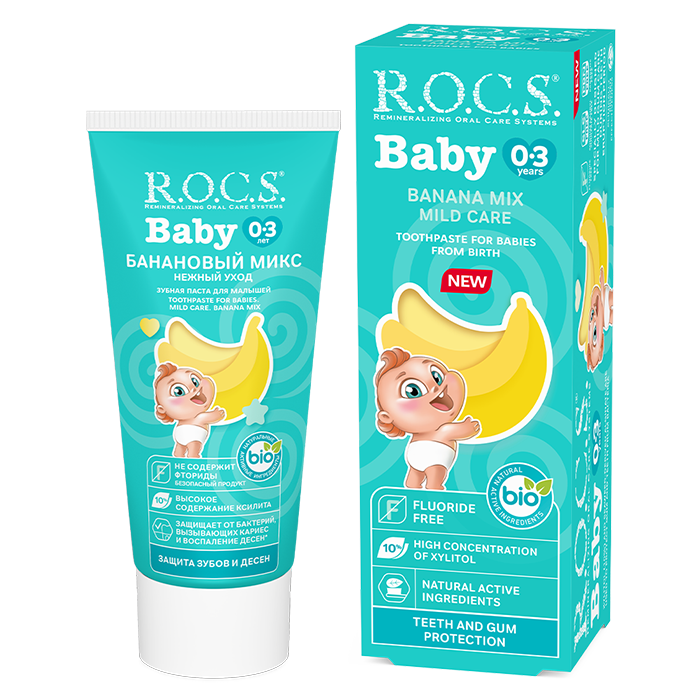
The use of R.O.C.S. toothpastes with the MINERALIN Enzyme complex followed by applications of "R.O.C.S. Mild care with camomile" toothpaste during high-intensity polychemotherapy prevents the development of severe forms of oral mucositis, reduces mucosal healing time to 5–7 days, alleviates pain, and normalizes the microbiocenosis by reducing the growth of pathogenic microflora (including Candida and coliform bacteria) and the frequency of cariogenic streptococci.
A total of 46 patients aged 12–17 years diagnosed with osteosarcoma and Ewing's sarcoma, receiving inpatient treatment at the Blokhin Research Institute of Pediatric Oncology and Hematology, were examined. The patients received high-intensity chemotherapy regimens (methotrexate, doxorubicin, ifosfamide, etoposide, vincristine, cisplatin).
Patient groups:
To study the microbiocenosis, oral fluid samples were collected three times: before the start of treatment, and 7 and 14 days after the start of chemotherapy. A total of 138 oral fluid samples were studied.
Baseline study (before the start of polychemotherapy): 330 microbial strains were isolated. Streptococci accounted for 32.4% of cases, staphylococci for 15.8% (S. epidermidis — 54%, S. aureus — 44%). Lactobacilli were isolated in only 13% of patients. A high level (8.8%) of coliform bacteria was detected. Candida fungi were found in 8.2% of cases. The species composition of streptococci: Str. salivarius (17.2%), Str. mutans (13.8%), Str. viridans (11%), Str. oralis (11%), Str. mitis (6.9%). Enterococci were isolated in 26.2% of cases.
Group 1 (after 14 days): a decrease in cariogenic streptococci was noted (Str. mutans — from 5.8% to 4.2%; Str. mitis — from 4.3% to 3.1%; Str. oralis — from 5% to 2.1%). The frequency of Candida detection decreased (from 6.5% to 4.2%), as did coliform bacteria (from 10.9% to 5.3%). A dysbiotic shift was observed in 80% of cases, grade I–II dysbiosis in 20% of cases, and no patients with grade III were present. A reduction in pain and a decrease in mucositis duration to 5–7 days, predominantly grade II severity, were noted.
Group 2 (after 14 days): an increase in the frequency of Str. mitis (from 2.1% to 6.6%), Str. β-haemolyticus (from 2.1% to 5%), and S. aureus (from 4.3% to 6.1%) was observed. The frequency of Candida detection increased (from 7.4% to 10%), as did coliform bacteria (from 7.4% to 8.8%). Patients with grade III mucositis predominated, and healing time increased to 12–14 days. Grade I–II dysbiosis was observed in 76% of patients, and grade III dysbiosis in 24%.
The toothpastes differ only in their flavor components; otherwise, their formulations are identical:
Aqua, Glycerin, Xylitol, Silica, Pyrus Cydonia Fruit Extract, Potassium Alginate, PEG-40 Hydrogenated Castor Oil, Lonicera Japonica Extract, Lonicera Caprifolium, Aroma, Sodium Benzoate, Xanthan Gum, Sodium Saccharin, Cinnamal, Eugenol.
Aqua, Glycerin, Xylitol, Silica, Pyrus Cydonia Fruit Extract, Potassium Alginate, PEG-40 Hydrogenated Castor Oil, Lonicera Japonica Extract, Lonicera Coprifolium Extract, Aroma, Sodium Benzoate, Potassium Sorbate, Xanthan Gum, Sodium Saccharin.
Use twice a day (morning and evening) with a small-headed children's toothbrush. Recommended toothbrushing time is 2-3 minutes.
Use within one month of opening.