Periodontal diseases are one of the most pressing issues in dentistry, second only to dental caries in terms of prevalence. According to the WHO, more than 80% of the global population is affected by periodontal diseases. Epidemiological studies have shown that severe forms of periodontitis, which lead to significant loss of supporting structures and tooth loss, affect 10-15% of the global population.1
The main factor in inflammatory periodontal diseases is known to be pathogenic and opportunistic microorganisms. This is why poor oral hygiene is one of the main risk factors for the onset and/or exacerbation of periodontal diseases.
The choice of hygiene products depends on the stage of the inflammatory process:
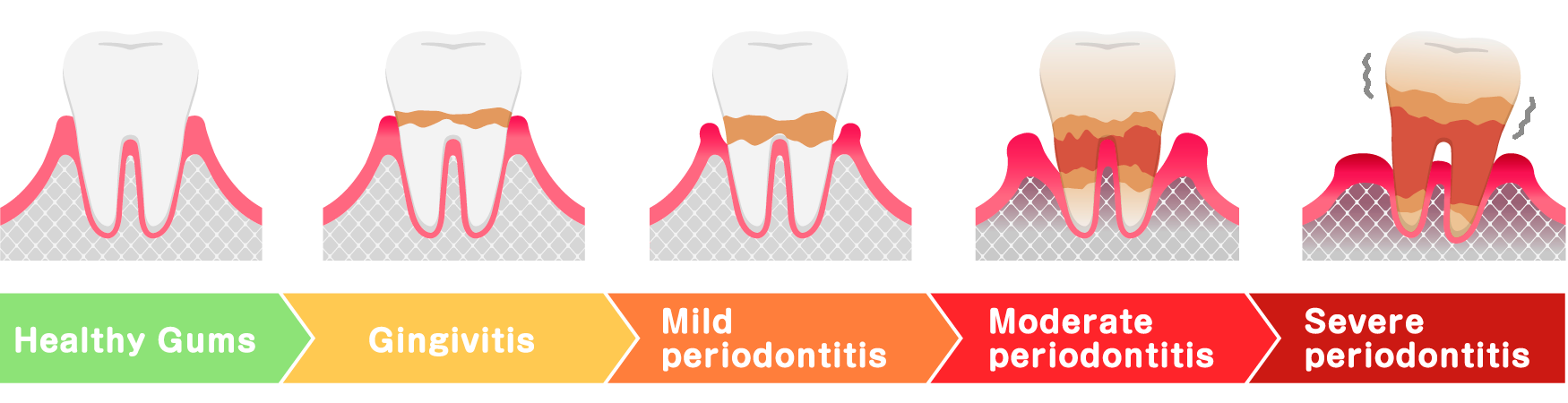
The main local cause of inflammation in periodontal tissues is dental plaque, which is made up of microbial colonies. It plays a significant role in the onset of the disease due to the formation of stable microbial associations. Accumulation of soft plaque in the areas around the necks of teeth and in the interdental spaces contributes to the destruction of the entire periodontal complex. This process begins with inflammation of the gums and destruction of the gingival attachment, and can lead to severe destruction of the bone tissue in the alveolar areas of the jaws.2

R.O.C.S. PRO GUM CARE & ANTIPLAQUE is a unique therapeutic and preventive toothpaste with a high content of bromelain and xylitol. With regular daily use, it significantly improves oral hygiene and normalises the oral flora. It reduces the rate of bacterial plaque formation and eliminates inflammation factors, ensuring long-term cleanliness of the teeth and gums.
The present study aimed to evaluate the effect of R.O.C.S. enzyme-containing toothpaste with bromelain and xylitol on the adhesion of microorganisms in the human oral cavity. A positive control was created using R.O.C.S. toothpaste with xylitol, but without the enzyme.
Anti-adhesive activity was studied using a culture of human embryonic musculocutaneous fibroblasts.
The test microorganism cultures were clinical strains of microorganisms isolated from the oral cavities of volunteers: Staphylococcus aureus, Streptococcus salivarius, Streptococcus sanguis and Streptococcus sobrinus.
A sample of the toothpaste at a dilution of 1:20,000 (in the presence of 50% human serum) and a culture of the test strain at a dose of 10⁸ KOU/ml were added to the cell culture and incubated at 37 °C. After incubation, the monolayer cells were washed to remove unattached bacteria by repeatedly changing the Eagle's medium. The cells were then fixed with ethyl alcohol, stained with Romanowsky-Giemsa, and examined under a microscope.
The degree of microbial adhesion was determined by the microbial load relative to the control, which was taken as 100%.
The study was carried out using the blind method. All studies were carried out three times.
After three minutes of incubation, which corresponds to the duration of normal tooth brushing, the suppression of adhesion was as follows:
However, when the exposure time was increased to 2 hours, the anti-adhesive efficacy decreased significantly. This seems to be due to the adhesion becoming reversible shortly after the strains were introduced into the model system, as adhesion usually becomes irreversible after 1–2 hours.
Fig. 1. Control fibroblast cells
Fig. 2. Cells + Str. salivarius
Fig. 3. Cells + S. salivarius + bromelain paste
(exposure 2h.)
Fig. 4. Cells + Str.salivarius + paste with bromelain
(exposure 3 min.)
Toothpastes containing antiseptic substances such as triclosan, chlorhexidine, aluminium and zinc salts are among the hygiene products capable of inhibiting plaque formation. However, their high antimicrobial activity can lead to oral dysbacteriosis with long-term use, reducing the effectiveness of treatment. An alternative are hygiene products whose antimicrobial action is realised due to enzyme-containing components.
Over a period of two months, 40 patients, aged 18–36 years and of both sexes, with chronic catarrhal gingivitis were examined. The patients were randomly divided into two groups:
Within each group, two subgroups were identified according to the toothbrush used:
The toothpaste studies were conducted using a double-blind method. Repeated examinations, including an assessment of indices and diagnostic tests, were carried out after one and two weeks and again after one and two months.
Following the initial visual examination and calculation of the indices, it was found that acute and chronic catarrhal gingivitis of a mild degree were predominant in both groups.
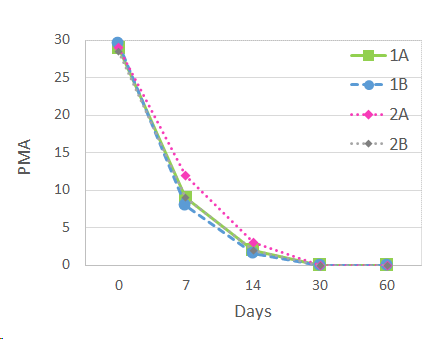
As early as the 14th day of the study, PMA index values decreased from 29.5% to 2% and 1.5% in subgroups A and B, respectively. In group 2, the index values decreased to 3% and 2% (see Fig. 4). The best results in subgroup B were due to the use of a soft toothbrush.
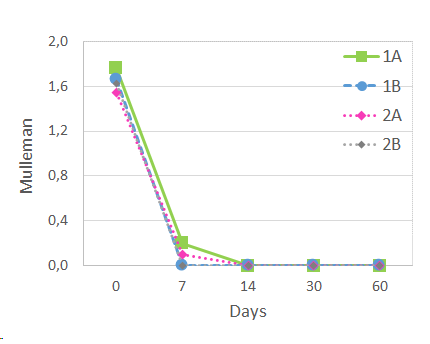
Bleeding disappeared in all subjects, indicating the achievement of an anti-inflammatory effect in periodontal tissues (Fig. 3).
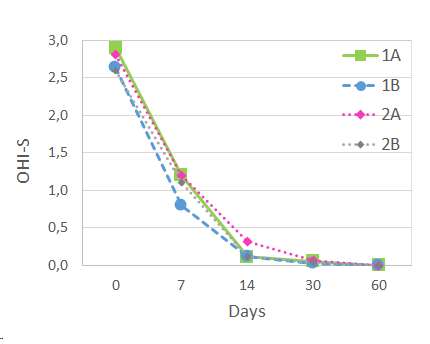
Fig. 1. Level of oral hygiene
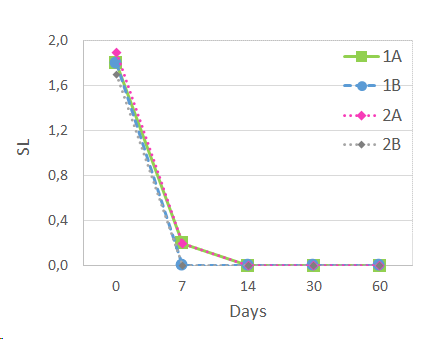
Fig. 2. Amount of plaque in the gingival region
Fig. 3. Bleeding index
Fig. 4. Gingivitis severity score
The study of the effect of enzyme-containing toothpastes on the initial forms of inflammatory periodontal diseases, characterised by an increased tendency to plaque formation, confirmed their high efficiency.
With regular brushing using a soft brush, a pronounced anti-inflammatory effect on the periodontium was observed within a week.
After two weeks of using R.O.C.S. toothpaste, significant improvements in oral hygiene and a pronounced anti-inflammatory effect were observed, as evaluated by hygiene indices and PMA.
At the follow-up examination after two months, no deterioration in the results was observed in either group.
No cases of local irritation or allergic reactions to the oral mucosa were recorded during the entire application period.
The study aimed to compare the effects of two toothpastes: one containing the broad-spectrum antiseptic triclosan and sodium fluoride ([F⁻] = 0.145%), and the other containing xylitol, bromelain, calcium glycerophosphate, and magnesium chloride. The study examined their impact on the hygienic state of the oral cavity, plaque formation rates, cariesogenicity, and gingivitis intensity. Over a period of three months, 60 volunteers aged 18–45 years of both sexes brushed their teeth with a sample of one of the toothpastes. R.O.C.S. toothpaste was more effective in all measured areas
R.O.C.S. toothpaste with a MINERALIN Enzyme complex slows down the formation of dental plaque, provides high cleaning efficacy and preventive action against dental caries and inflammatory periodontal diseases, and can be recommended to patients for the individual prevention of the most common dental diseases.
Adult volunteers (aged 22–40) brushed their teeth twice a day (morning and evening) with samples of toothpaste from different price categories for two months. All participants were provided with the same toothbrushes and received training in a standardised oral hygiene care method. The results of the study showed that the condition of the participants' oral cavities depended on the toothpaste used. Statistically significant positive changes were only observed when using enzyme-containing toothpastes from the medium and higher price categories, such as R.O.C.S. and Rembrandt. Using R.O.C.S. and Rembrandt toothpastes resulted in significant improvements in the oral hygiene of all participants. After two weeks from the start of the study, the anti-inflammatory efficacy of these toothpastes was 44.8% and 38.5%, respectively. During the R.O.C.S. toothpaste trial, many participants also reported that their teeth felt smooth for longer – until the next brushing.
Very few substances are known today that can significantly affect the caries-causing environment in the mouth and reduce the risk of tooth decay. One of the most widely studied substances with an anti-caries effect is xylitol. However, the antibacterial mechanism of xylitol is not fully understood. This study provides data confirming xylitol's ability to significantly inhibit the adhesion of oral streptococci, the primary formers of dental plaque. These bacteria delay the development of caries- and periodontal disease-causing bacteria on tooth surfaces through a mechanism called co-adhesion. We also revealed the ability of xylitol to inhibit the adhesion of Streptococcus sobrinus, a microorganism associated with caries, and Staphylococcus aureus, which increases the virulence level of dental plaque. This mechanism of action is realised in toothpaste within the time period traditionally recommended for brushing teeth.
Thorough oral hygiene using the right tools is an important part of comprehensive periodontitis therapy. However, hygiene alone cannot lead to complete remission. Even in cases of mild periodontitis, treatment should begin with professional hygiene to remove tartar and clean gum pockets, followed by the application of topical antibacterial preparations.

Chlorhexidine is one of the most frequently prescribed antiseptics used in the treatment of periodontal diseases and during oral surgery.
Laboratory tests confirm that R.O.C.S. ACTIVE mouthwash preserves the full efficacy of chlorhexidine. Since chlorhexidine has no significant effect on caries-causing bacteria (Streptococcus mutans) or some periodontal pathogens, xylitol has been added to the rinse to control a number of these microorganisms (Streptococcus mutans, Actinomyces spp., Prevotella melaninogenica, Fusobacterium nucleatum and Candida albicans), thereby normalising oral microflora.
These products work by using active oxygen to inhibit the activity of periodontopathogenic bacteria, which are responsible for inflammation, bleeding gums and bad odour.
Both products can be used as an additional treatment for periodontitis to reduce the bacterial load over a period of at least two weeks.


To quickly relieve the main symptoms of periodontitis, the paste is formulated with herbal ingredients with a powerful anti-inflammatory effect. However, patients often complain of sensitivity during treatment: when the swelling subsides, the necks of the teeth may become exposed. Moderate to severe periodontitis is a recognised factor in the development of dental hyperaesthesia.
R.O.C.S. PERIODONT toothpaste is multifunctional: with regular use, it reduces bleeding, inflammation and swelling of soft tissues and prevents the development of dental hyperaesthesia.
The active components included in the composition of this product can be divided into two groups:
This study investigated the efficacy and safety of R.O.C.S. Periodont toothpaste for the oral care of patients with chronic periodontitis and dental hard tissue hypersensitivity.
The study involved 32 people (mean age: 31.8 years) aged between 20 and 45 years with chronic periodontitis of mild to moderate severity combined with catarrhal gingivitis and hypersensitivity of dental hard tissues.
All patients were instructed in proper brushing techniques and underwent professional oral hygiene treatment. All patients used R.O.C.S. Periodont toothpaste for two months.
The oral hygiene index of patients in the study group improved significantly after two weeks of use and remained at this level throughout the observation period (Fig. 1).
The decrease in the inflammatory process of the gums (Fig. 2) could be partly due to professional oral hygiene, but using the toothpaste allowed the periodontal index to remain stable for 2 months.
Using Periodont toothpaste levelled the increase in sensitivity of the hard tissues of the teeth, which often occurs after professional oral hygiene. After two months, it reduced the intensity of sensitivity (Fig. 3).
Fig. 1. O'Leary hygiene index, %
Fig. 2. PMA index, %
Fig. 3. Air-cold test, points
In all cases of gingival inflammation (PMA index > 25%), fluorescence diagnostics using the Proof attachment on the VistaCam (405 nm) revealed the presence of plaque in the vestibular region and in areas of inflamed periodontium (Fig. 4,6).
Fig. 4. Patient M., aged 34. Plaque accumulation in the vestibular region of the teeth with transition to the inflamed gingiva. Complaints of bleeding gums and tooth sensitivity.
Fig. 5. Patient M., aged 34. Status two months after the start of the study: no plaque present. The periodontium shows no signs of inflammation.
Fig. 6. Patient N., aged 35. Plaque is present on the inflamed gums around all teeth. The patient complains of bleeding gums and tooth sensitivity. Hard tissue sensitivity: 3 points.
Fig. 7. Patient N., 35 years old. Condition 2 months after beginning to use the toothpaste. No plaque was detected and the periodontium showed no signs of inflammation. Sensitivity of hard tissues: 1 point.
During the safety study of the toothpaste, it was found that the activation coefficient of peripheral blood basophils in patients in the study group was within the normal range (1.05 ± 0.02).
Using R.O.C.S. Periodont toothpaste in patients with chronic periodontitis:
REFERENCES: