For all abrasives it is fair to say that their effect on abrasivity is determined by their concentration in the toothpaste and the quality of their processing (the shape of the abrasive particles). The higher the concentration, the higher the abrasivity. The ideal shape is spherical, with an abrasive particle size of 15–25 microns.
Silica (silicon dioxide) is the most common abrasive used in the production of modern toothpastes. It is safe, chemically neutral and does not affect the pH of the final product. In addition, the abrasivity of silica-based toothpastes is easy to control.
Different grades of silica may differ in processing quality and particle size. To obtain the required properties of the product, a mixture of silicas of different grades is often used. To improve the cleansing and polishing properties of toothpaste without greatly increasing its abrasivity, boosters are used — special grades of silica with a strictly controlled structure and particle size.
A macrogranule is a hierarchical structure formed from silica microparticles. The granules help remove sticky plaque, in particular from hard-to-reach areas of the dentition. At the same time, the granules are soft enough and do not scratch tooth enamel or restorations. During brushing, they break down into microparticles that provide polishing of the enamel at the final stage. Thus, an increase in PCR is achieved. At the same time, the RDA and REA values increase only slightly.
This mild abrasive is usually used for low-abrasivity toothpastes. In addition, dicalcium phosphate, undergoing partial hydrolysis in the oral cavity, can also act as a source of calcium to strengthen tooth enamel.
Description
Active ingredients
Properties
RIA
Clinical trials
Ingredients
Application
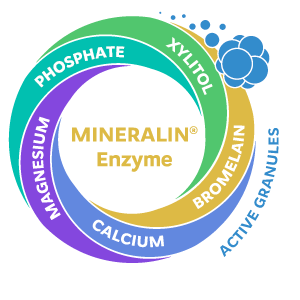
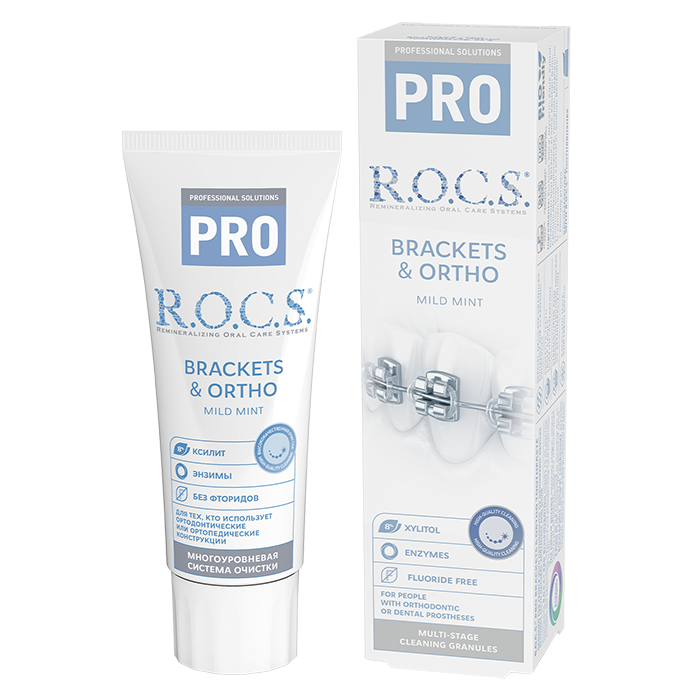
The unique R.O.C.S. PRO Brackets & Ortho toothpaste contains the proteolytic enzyme bromelain, which cleans areas a toothbrush can't reach. Special gentle granules boost the toothpaste's cleaning power.
Bromelain combined with xylitol reduces bacterial adhesion, tackling the drivers of inflammation and keeping teeth and gums clean for longer. Bromelain also has a direct anti-inflammatory effect, which matters most right after braces are adjusted.
The toothpaste's mineralizing complex strengthens enamel and increases its caries resistance.
A cream-colored toothpaste with white granules and a mild, refreshing flavor. The color may range from cream to brown due to its plant-based ingredients. Contains no artificial colorants.
* Russian Abrasivity Index reflects the cleaning capacity level of oral care products and polishing pastes. Products with a higher RIA value have enhanced cleaning properties, but are also a risk factor for the development of non-carious dental lesions, therefore the choice of toothpaste should be guided by the condition of the hard dental tissues.
The DRC group of companies, in collaboration with the Institute of Digital Dentistry of the RUDN Medical Institute, has developed and is implementing a new toothpaste abrasivity measurement standard in Russia that meets the highest requirements: safety, accuracy, reproducibility. Принято. This methodology is an alternative to the RDA measurement method and offers a number of advantages. Its effectiveness has been confirmed by a large-scale experimental and clinical study involving 534 patients.
The methodology is based on a rotary machine and digital technologies developed by a research group of dentists, physicists, and digital modeling specialists. QLF diagnostics, intraoral scanning, and digital analysis were used in the work, which made it possible to obtain objective data on tooth wear and the influence of abrasivity over time.
More detailed information on the Russian Abrasivity Index (RIA)
Effectiveness of R.O.C.S. toothpaste with bromelain during orthodontic treatment:
The study assessed the level of oral hygiene using the OHI-S and PHP hygiene indices before and after two weeks of using various toothpastes in patients with removable orthodontic appliances. The indices improved significantly as a result of using various hygiene products. The anti-inflammatory effect was observed only after using toothpastes containing bromelain and an antiseptic. Given the duration of orthodontic treatment, the use of enzyme-based toothpastes is more promising for maintaining the good condition of the hard dental tissues and periodontal tissues in children, since the long-term use of toothpastes with antiseptics (more than two weeks) is not recommended.
The study involved patients aged 6 to 12 years undergoing treatment with removable orthodontic appliances. After 4 weeks of using a toothpaste containing the enzyme bromelain and xylitol, the proportion of pathogenic microorganisms in the oral microflora decreased by 1.8 times, complete elimination of Candida and Aspergillus fungi was achieved, and no negative effect on the quantitative composition of the normal microflora was recorded. The results obtained in the study allow recommending the toothpaste with the bromelain enzyme and xylitol for continuous oral care and care of orthodontic appliances in children.
Effectiveness of R.O.C.S. toothpaste with bromelain in patients with removable dentures:
The study involved 30 patients over 40 years of age using removable prosthetic appliances (partial and complete removable plate dentures). The patients were advised to brush their teeth and removable acrylic appliances twice a day with R.O.C.S. toothpaste containing the proteolytic enzyme bromelain. After 2 weeks of using the toothpaste, the proportion of pathogenic microorganisms in the oral microflora decreased by 2.4 times, the number of cultured Candida albicans strains decreased by 76%, and in the majority of patients this strain was completely eliminated. Inflammatory symptoms in the mucosa of the denture-bearing area disappeared in the majority of patients (93% of cases). The results obtained in the study allow recommending toothpaste with the bromelain enzyme for continuous hygiene care in patients using partial and complete removable dentures.
R.O.C.S. toothpaste with bromelain significantly improves oral hygiene, slows plaque formation and reduces its cariogenicity, provides a long-lasting clean feeling, and reduces gum inflammation and bleeding:
The study aimed to compare the effects of two toothpastes: one containing the broad-spectrum antiseptic triclosan and sodium fluoride ([F⁻] = 0.145%), and the other containing xylitol, bromelain, calcium glycerophosphate, and magnesium chloride. The study examined their impact on the hygienic state of the oral cavity, plaque formation rates, cariesogenicity, and gingivitis intensity. Over a period of three months, 60 volunteers aged 18–45 years of both sexes brushed their teeth with a sample of one of the toothpastes. R.O.C.S. toothpaste was more effective in all measured areas
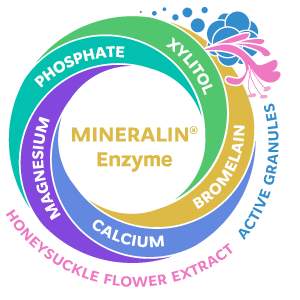
R.O.C.S. toothpaste with a MINERALIN Enzyme complex slows down the formation of dental plaque, provides high cleaning efficacy and preventive action against dental caries and inflammatory periodontal diseases, and can be recommended to patients for the individual prevention of the most common dental diseases.
Adult volunteers (aged 22–40) brushed their teeth twice a day (morning and evening) with samples of toothpaste from different price categories for two months. All participants were provided with the same toothbrushes and received training in a standardised oral hygiene care method. The results of the study showed that the condition of the participants' oral cavities depended on the toothpaste used. Statistically significant positive changes were only observed when using enzyme-containing toothpastes from the medium and higher price categories, such as R.O.C.S. and Rembrandt. Using R.O.C.S. and Rembrandt toothpastes resulted in significant improvements in the oral hygiene of all participants. After two weeks from the start of the study, the anti-inflammatory efficacy of these toothpastes was 44.8% and 38.5%, respectively. During the R.O.C.S. toothpaste trial, many participants also reported that their teeth felt smooth for longer – until the next brushing.
The present study aimed to evaluate the effect of R.O.C.S. enzyme-containing toothpaste with bromelain and xylitol on the adhesion of microorganisms in the human oral cavity. A positive control was created using R.O.C.S. toothpaste with xylitol, but without the enzyme.
Anti-adhesive activity was studied using a culture of human embryonic musculocutaneous fibroblasts.
The test microorganism cultures were clinical strains of microorganisms isolated from the oral cavities of volunteers: Staphylococcus aureus, Streptococcus salivarius, Streptococcus sanguis and Streptococcus sobrinus.
A sample of the toothpaste at a dilution of 1:20,000 (in the presence of 50% human serum) and a culture of the test strain at a dose of 10⁸ KOU/ml were added to the cell culture and incubated at 37 °C. After incubation, the monolayer cells were washed to remove unattached bacteria by repeatedly changing the Eagle's medium. The cells were then fixed with ethyl alcohol, stained with Romanowsky-Giemsa, and examined under a microscope.
The degree of microbial adhesion was determined by the microbial load relative to the control, which was taken as 100%.
The study was carried out using the blind method. All studies were carried out three times.
After three minutes of incubation, which corresponds to the duration of normal tooth brushing, the suppression of adhesion was as follows:
However, when the exposure time was increased to 2 hours, the anti-adhesive efficacy decreased significantly. This seems to be due to the adhesion becoming reversible shortly after the strains were introduced into the model system, as adhesion usually becomes irreversible after 1–2 hours.
Fig. 1. Control fibroblast cells
Fig. 2. Cells + Str. salivarius
Fig. 3. Cells + S. salivarius + bromelain paste
(exposure 2h.)
Fig. 4. Cells + Str.salivarius + paste with bromelain
(exposure 3 min.)
R.O.C.S. toothpaste with active minerals (calcium glycerophosphate + magnesium chloride) and xylitol saturates enamel with minerals and increases caries resistance and the rate of tooth remineralization:
The study found that R.O.C.S. toothpaste containing sources of calcium, phosphate, and magnesium, without fluoride, enhances caries resistance of teeth no less effectively than a toothpaste containing sodium fluoride at maximum concentrations (1500 ppm F–).
R.O.C.S. toothpaste significantly increases the rate of remineralization of teeth exposed to acid, and, due to its ability to limit plaque growth, allows achieving a good level of oral hygiene within one week of use.
Enamel tunnels are microstructures that curve in an S-shape along the bundles of enamel prisms and extend to the dentin, penetrating it in the form of enamel bridges, where metabolic exchange between the enamel and dentin takes place. On the enamel surface, these tunnels open as enamel pores. X-ray spectral microanalysis and planar spectrograms show that the walls of enamel tunnels and the areas near them contain mainly mineral components (Ca, Ba, Cd, Sr, P, Si, As, C, K, Br, I, Cl), while the lumen contains organic components. It has been established that the mineral component of R.O.C.S. toothpastes actively penetrates through the enamel tunnels into the area of the enamel-dentin junction and the superficial layers of the dentin, exerting a positive effect on the structural and functional caries resistance of teeth.
A long-term study confirming the anti-caries effect of R.O.C.S. toothpaste with xylitol and active minerals (calcium glycerophosphate + magnesium chloride):
A two-year program of supervised toothbrushing carried out in schools on children aged 6-7 using R.O.C.S. (Re-mineralizing Oral Care System) toothpastes has shown very effective results in reducing the OHI-S index scores by 53-57%, the GI index scores by 57-73% and the 2-year DMFT scores by 29-32%. Remineralizing toothpastes with-out fluorine, containing 500 ppm AmF or 1000 ppm NaF, were as effective in terms of improving the oral health of the schoolchildren.
Sorbitol, Silica, Glycerin, Aqua, Xylitol, Cocamidopropyl Betaine, Aroma, Xanthan Gum, Calcium Glycerophosphate, Bromelain, Magnesium Chloride, Sodium Saccharin, Sodium Benzoate, O-Cymen-5-ol.
Brush twice a day (morning and evening). Recommended toothbrushing time is 2-3 minutes.
Suitable for all ages, with no time restrictions on use.
If you have fixed orthodontic appliances, we recommend brushing with the specialized R.O.C.S. PRO Brackets & Ortho toothbrush, designed with a special bristle trim, along with the R.O.C.S. PRO Mono single-tuft brush.
Description
Active ingredients
Properties
RIA
Clinical trials
Ingredients
Application

The unique R.O.C.S. PRO Implants toothpaste delivers thorough hygiene and enhanced care for soft tissues, helping prevent gum inflammation — especially important around implants and other prosthetic appliances, where it helps preserve and extend their service life.
Bromelain combined with xylitol reduces bacterial adhesion, tackling the local drivers of inflammation and keeping teeth and gums clean for longer.
Oral antimicrobial protection is boosted by honeysuckle flower extract, which also has tissue-protective properties.
The formula is also enhanced with taurine to normalize energy metabolism in periodontal tissues.
The toothpaste's mineralizing complex strengthens tooth enamel and increases its caries resistance.
A cream-colored toothpaste with white granules and a mild, refreshing flavor. The color may range from cream to brown due to its plant-based ingredients. Contains no artificial colorants.
* Russian Abrasivity Index reflects the cleaning capacity level of oral care products and polishing pastes. Products with a higher RIA value have enhanced cleaning properties, but are also a risk factor for the development of non-carious dental lesions, therefore the choice of toothpaste should be guided by the condition of the hard dental tissues.
The DRC group of companies, in collaboration with the Institute of Digital Dentistry of the RUDN Medical Institute, has developed and is implementing a new toothpaste abrasivity measurement standard in Russia that meets the highest requirements: safety, accuracy, reproducibility. Принято. This methodology is an alternative to the RDA measurement method and offers a number of advantages. Its effectiveness has been confirmed by a large-scale experimental and clinical study involving 534 patients.
The methodology is based on a rotary machine and digital technologies developed by a research group of dentists, physicists, and digital modeling specialists. QLF diagnostics, intraoral scanning, and digital analysis were used in the work, which made it possible to obtain objective data on tooth wear and the influence of abrasivity over time.
More detailed information on the Russian Abrasivity Index (RIA)R.O.C.S. toothpaste with bromelain significantly improves oral hygiene, slows plaque formation and reduces its cariogenicity, provides a long-lasting clean feeling, and reduces gum inflammation and bleeding:
The study aimed to compare the effects of two toothpastes: one containing the broad-spectrum antiseptic triclosan and sodium fluoride ([F⁻] = 0.145%), and the other containing xylitol, bromelain, calcium glycerophosphate, and magnesium chloride. The study examined their impact on the hygienic state of the oral cavity, plaque formation rates, cariesogenicity, and gingivitis intensity. Over a period of three months, 60 volunteers aged 18–45 years of both sexes brushed their teeth with a sample of one of the toothpastes. R.O.C.S. toothpaste was more effective in all measured areas
R.O.C.S. toothpaste with a MINERALIN Enzyme complex slows down the formation of dental plaque, provides high cleaning efficacy and preventive action against dental caries and inflammatory periodontal diseases, and can be recommended to patients for the individual prevention of the most common dental diseases.
Adult volunteers (aged 22–40) brushed their teeth twice a day (morning and evening) with samples of toothpaste from different price categories for two months. All participants were provided with the same toothbrushes and received training in a standardised oral hygiene care method. The results of the study showed that the condition of the participants' oral cavities depended on the toothpaste used. Statistically significant positive changes were only observed when using enzyme-containing toothpastes from the medium and higher price categories, such as R.O.C.S. and Rembrandt. Using R.O.C.S. and Rembrandt toothpastes resulted in significant improvements in the oral hygiene of all participants. After two weeks from the start of the study, the anti-inflammatory efficacy of these toothpastes was 44.8% and 38.5%, respectively. During the R.O.C.S. toothpaste trial, many participants also reported that their teeth felt smooth for longer – until the next brushing.
The present study aimed to evaluate the effect of R.O.C.S. enzyme-containing toothpaste with bromelain and xylitol on the adhesion of microorganisms in the human oral cavity. A positive control was created using R.O.C.S. toothpaste with xylitol, but without the enzyme.
Anti-adhesive activity was studied using a culture of human embryonic musculocutaneous fibroblasts.
The test microorganism cultures were clinical strains of microorganisms isolated from the oral cavities of volunteers: Staphylococcus aureus, Streptococcus salivarius, Streptococcus sanguis and Streptococcus sobrinus.
A sample of the toothpaste at a dilution of 1:20,000 (in the presence of 50% human serum) and a culture of the test strain at a dose of 10⁸ KOU/ml were added to the cell culture and incubated at 37 °C. After incubation, the monolayer cells were washed to remove unattached bacteria by repeatedly changing the Eagle's medium. The cells were then fixed with ethyl alcohol, stained with Romanowsky-Giemsa, and examined under a microscope.
The degree of microbial adhesion was determined by the microbial load relative to the control, which was taken as 100%.
The study was carried out using the blind method. All studies were carried out three times.
After three minutes of incubation, which corresponds to the duration of normal tooth brushing, the suppression of adhesion was as follows:
However, when the exposure time was increased to 2 hours, the anti-adhesive efficacy decreased significantly. This seems to be due to the adhesion becoming reversible shortly after the strains were introduced into the model system, as adhesion usually becomes irreversible after 1–2 hours.
Fig. 1. Control fibroblast cells
Fig. 2. Cells + Str. salivarius
Fig. 3. Cells + S. salivarius + bromelain paste
(exposure 2h.)
Fig. 4. Cells + Str.salivarius + paste with bromelain
(exposure 3 min.)
In older patients with chronic periodontitis, using toothpaste with honeysuckle extract, xylitol, and bromelain improves oral hygiene and reduces gum inflammation:
A key aspect of oral aging is periodontal involvement. Periodontal diseases in older age groups occur against the background of a chronic low-intensity inflammatory process. Individual oral hygiene plays an important role in the treatment of inflammatory periodontal diseases and in maintaining stable remission. Due to the clinical and pathogenetic features of chronic periodontitis, individual oral hygiene products for elderly patients should have their own specific characteristics.
The study involved 175 elderly patients diagnosed with "chronic periodontitis" (ICD-10: K05.3; EFP, 2018: periodontitis grade I–II, type A–B). The patients underwent a comprehensive dental examination, as well as laboratory testing of oral fluid and buccal epithelium.
The results of the clinical and laboratory examination of elderly patients showed that the best cleansing and anti-inflammatory properties were found with the use of a preventive toothpaste containing honeysuckle extract, xylitol, and bromelain (R.O.C.S. PRO Implants).
When using this toothpaste in elderly patients with inflammatory periodontal diseases, a 43% reduction in OHI-S and an 18% reduction in the PMA index were observed. The effectiveness of the toothpaste is also confirmed by a 58% decrease in the oral fluid level of CRP, as well as a 51% decrease in the apoptosis index.
Effectiveness of R.O.C.S. toothpaste with bromelain in patients with removable dentures:
The study involved 30 patients over 40 years of age using removable prosthetic appliances (partial and complete removable plate dentures). The patients were advised to brush their teeth and removable acrylic appliances twice a day with R.O.C.S. toothpaste containing the proteolytic enzyme bromelain. After 2 weeks of using the toothpaste, the proportion of pathogenic microorganisms in the oral microflora decreased by 2.4 times, the number of cultured Candida albicans strains decreased by 76%, and in the majority of patients this strain was completely eliminated. Inflammatory symptoms in the mucosa of the denture-bearing area disappeared in the majority of patients (93% of cases). The results obtained in the study allow recommending toothpaste with the bromelain enzyme for continuous hygiene care in patients using partial and complete removable dentures.
R.O.C.S. toothpaste with active minerals (calcium glycerophosphate + magnesium chloride) and xylitol saturates enamel with minerals and increases caries resistance and the rate of tooth remineralization:
The study found that R.O.C.S. toothpaste containing sources of calcium, phosphate, and magnesium, without fluoride, enhances caries resistance of teeth no less effectively than a toothpaste containing sodium fluoride at maximum concentrations (1500 ppm F–).
R.O.C.S. toothpaste significantly increases the rate of remineralization of teeth exposed to acid, and, due to its ability to limit plaque growth, allows achieving a good level of oral hygiene within one week of use.
Enamel tunnels are microstructures that curve in an S-shape along the bundles of enamel prisms and extend to the dentin, penetrating it in the form of enamel bridges, where metabolic exchange between the enamel and dentin takes place. On the enamel surface, these tunnels open as enamel pores. X-ray spectral microanalysis and planar spectrograms show that the walls of enamel tunnels and the areas near them contain mainly mineral components (Ca, Ba, Cd, Sr, P, Si, As, C, K, Br, I, Cl), while the lumen contains organic components. It has been established that the mineral component of R.O.C.S. toothpastes actively penetrates through the enamel tunnels into the area of the enamel-dentin junction and the superficial layers of the dentin, exerting a positive effect on the structural and functional caries resistance of teeth.
The study found that R.O.C.S. toothpaste containing sources of calcium, phosphate, and magnesium, without fluoride, enhances caries resistance of teeth no less effectively than a toothpaste containing sodium fluoride at maximum concentrations (1500 ppm F–).
R.O.C.S. toothpaste significantly increases the rate of remineralization of teeth exposed to acid, and, due to its ability to limit plaque growth, allows achieving a good level of oral hygiene within one week of use.
A long-term study confirming the anti-caries effect of R.O.C.S. toothpaste with xylitol and active minerals (calcium glycerophosphate + magnesium chloride):
A two-year program of supervised toothbrushing carried out in schools on children aged 6-7 using R.O.C.S. (Re-mineralizing Oral Care System) toothpastes has shown very effective results in reducing the OHI-S index scores by 53-57%, the GI index scores by 57-73% and the 2-year DMFT scores by 29-32%. Remineralizing toothpastes with-out fluorine, containing 500 ppm AmF or 1000 ppm NaF, were as effective in terms of improving the oral health of the schoolchildren.
Aqua, Glycerin, Silica, Xylitol, Xanthan Gum, Calcium Glyceropospate, Cocamidopropyl Betaine, Sodium Lauroyl Sarcosinate, Aroma, Lonicera Caprifolium Extract, Lonicera Japonica Extract, Bromelain, Taurine, Sodium Benzoate, Sodium Saccharin, Magnesium Chloride, O-Cymen-5-ol.
Brush twice a day (morning and evening). Recommended toothbrushing time is 2-3 minutes.
Suitable for all ages, with no time restrictions on use.
Description
Active ingredients
Properties
RIA
Clinical trials
Ingredients
Application

R.O.C.S. SENSITIVE Repair & Whitening toothpaste's unique cleaning system with macrogranules whitens and adds shine to teeth without increasing their sensitivity. With low abrasivity for both dentin and enamel, it delivers excellent cleaning power (PCR=80) and is suitable for long-term daily use.
Whitening of sensitive teeth.
A white toothpaste with blue granules. Contains a natural lemon balm flavoring.
* Russian Abrasivity Index reflects the cleaning capacity level of oral care products and polishing pastes. Products with a higher RIA value have enhanced cleaning properties, but are also a risk factor for the development of non-carious dental lesions, therefore the choice of toothpaste should be guided by the condition of the hard dental tissues.
The DRC group of companies, in collaboration with the Institute of Digital Dentistry of the RUDN Medical Institute, has developed and is implementing a new toothpaste abrasivity measurement standard in Russia that meets the highest requirements: safety, accuracy, reproducibility. Принято. This methodology is an alternative to the RDA measurement method and offers a number of advantages. Its effectiveness has been confirmed by a large-scale experimental and clinical study involving 534 patients.
The methodology is based on a rotary machine and digital technologies developed by a research group of dentists, physicists, and digital modeling specialists. QLF diagnostics, intraoral scanning, and digital analysis were used in the work, which made it possible to obtain objective data on tooth wear and the influence of abrasivity over time.
More detailed information on the Russian Abrasivity Index (RIA)Toothpaste based on hydroxyapatite and calcium glycerophosphate has been proven to reduce dentin hypersensitivity and whiten teeth by an average of 1.5 shades after 1 month of use:
The aim of the study was to evaluate the effectiveness of a non-abrasive toothpaste containing hydroxyapatite particles and calcium glycerophosphate in patients with dentin hypersensitivity.
The study included 89 patients (26 men and 63 women) aged 20–65 years who presented to the clinic with complaints of tooth pain sensitivity. The patients were divided into two groups:
Fig. 1. Cold air stimulus
Fig. 2. Probing with a dental probe
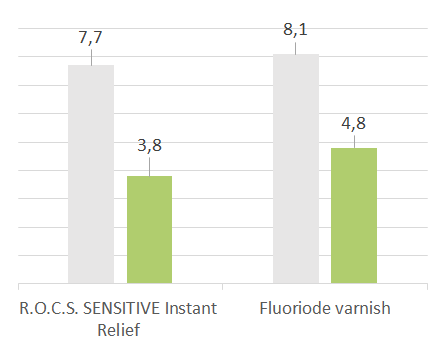
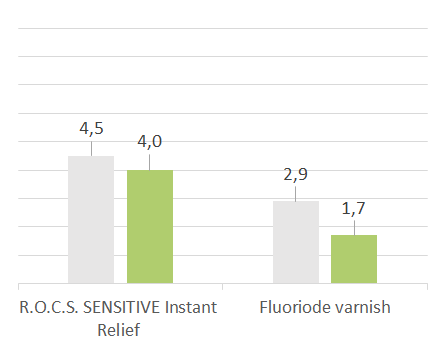
Daily use (for one month) of R.O.C.S. Sensitive Instant Relief toothpaste containing hydroxyapatite and calcium glycerophosphate in combination with a soft toothbrush leads to a statistically significant (p=0.001) reduction in pain sensitivity scores in response to a cold stimulus. The results obtained with this type of treatment are similar to those of a treatment regimen that includes four applications of fluoride varnish at three-day intervals.
The aim of this study was to evaluate the effectiveness of a toothpaste based on calcium hydroxyapatite, silica, and calcium glycerophosphate in reducing dentin hypersensitivity caused by the loss of hard dental tissues (erosion, wedge-shaped defects, microfractures, chips, abrasion, etc.).
The study group included 30 people aged 20 to 56 years with pronounced symptoms of tooth sensitivity and enamel integrity defects.
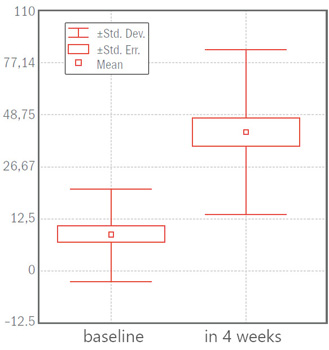
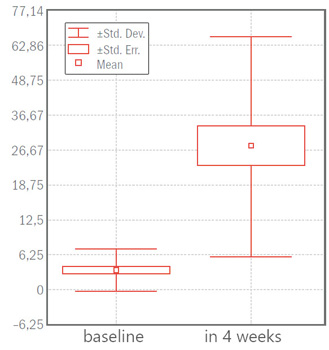
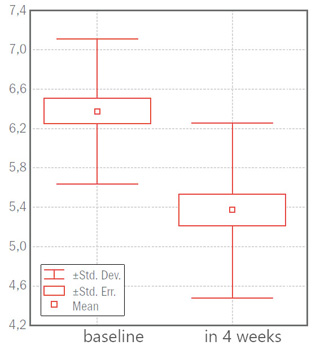
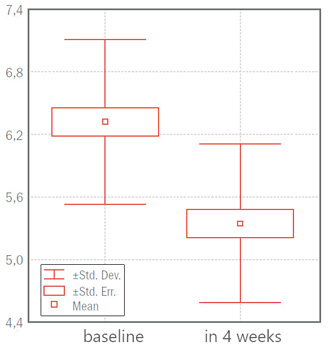
The subjects used R.O.C.S. SENSITIVE REPAIR & WHITENING toothpaste daily for one month. The level of dentin hypersensitivity was determined by an instrumental method (YeapleProbes device) and subjectively (Schiff scale). Tooth color was determined using a VITA Easyshade Compact spectrophotometer (VITA Zahnfabrik, Germany). The parameters were recorded at baseline and after 4 weeks.
Fig. 1. Upper jaw
Fig. 2. Lower jaw
Fig. 3. Upper jaw
Fig. 4. Lower jaw
During the use of the test toothpaste, a significant improvement in the studied parameters of the hard dental tissues was recorded in all subjects. The toothpaste based on mineral components (hydroxyapatite and calcium glycerophosphate) demonstrated high clinical effectiveness for patients with hypersensitivity of the hard dental tissues.
The dynamics of instrumental tooth color recording before and after the use of the test toothpaste and the subjective impressions of patients showed that, in addition to reducing sensitivity, the use of this toothpaste improves the color of the tooth enamel.
R.O.C.S. toothpaste with active minerals (calcium glycerophosphate + magnesium chloride) and xylitol saturates enamel with minerals and increases caries resistance and the rate of tooth remineralization:
The study found that R.O.C.S. toothpaste containing sources of calcium, phosphate, and magnesium, without fluoride, enhances caries resistance of teeth no less effectively than a toothpaste containing sodium fluoride at maximum concentrations (1500 ppm F–).
R.O.C.S. toothpaste significantly increases the rate of remineralization of teeth exposed to acid, and, due to its ability to limit plaque growth, allows achieving a good level of oral hygiene within one week of use.
Enamel tunnels are microstructures that curve in an S-shape along the bundles of enamel prisms and extend to the dentin, penetrating it in the form of enamel bridges, where metabolic exchange between the enamel and dentin takes place. On the enamel surface, these tunnels open as enamel pores. X-ray spectral microanalysis and planar spectrograms show that the walls of enamel tunnels and the areas near them contain mainly mineral components (Ca, Ba, Cd, Sr, P, Si, As, C, K, Br, I, Cl), while the lumen contains organic components. It has been established that the mineral component of R.O.C.S. toothpastes actively penetrates through the enamel tunnels into the area of the enamel-dentin junction and the superficial layers of the dentin, exerting a positive effect on the structural and functional caries resistance of teeth.
Confirmation of the prebiotic and anti-adhesive properties of xylitol (normalization of microflora, protection against cariogenic bacteria and Candida fungi):
The high prevalence of caries in young children necessitates the use of therapeutic and preventive products that target the primary etiopathogenetic factor of this disease — pathogenic microflora. This study presents comparative data on the antimicrobial effectiveness of products containing xylitol and chlorhexidine, as well as their effect on the microbiocenosis composition of the dental biofilm.
A total of 30 patients aged 12 to 36 months with early childhood caries (18 boys and 12 girls) were followed for one month. The patients were divided into two equal groups using a blinded method:
It was recommended that the remineralizing gels be applied 4–5 times a day after toothbrushing. All procedures were performed by the patients' parents at home after receiving prior instruction.
At baseline and at the end of the prescribed treatment course, all patients underwent molecular biology testing using multiplex PCR at the NIMSI laboratory.
In group 1, a significant reduction in colonization by cariogenic species was detected, along with a positive effect of the R.O.C.S. Medical Minerals remineralizing gel components on the ratio of cariogenic to resident species, as well as a decrease in the quantity and frequency of detection of certain periodontopathogenic anaerobic bacteria (Table 1). An important positive feature of the change in the dental biofilm microbiocenosis composition in the first group was also the disappearance of Candida fungi.
Examination of the microbial flora of dental plaque in group 2 patients one month after treatment showed only some positive shifts in the ratio of cariogenic to normal flora, and a decrease in the frequency of detection of certain virulent strains. At the same time, the quantity and frequency of detection of representatives of the resident bacterial group — enterococci — decreased. In addition, the detection rate of the yeast-like fungus Candida albicans increased, with a statistically significant rise in the fungal colonization of dental plaque. These data indicate the development of dysbiosis with the use of chlorhexidine.
Table 1. Comparative assessment of changes in the frequency of detection of microbial flora in dental plaque between the two groups after a course of therapy
| Genus, species of bacteria | 0.1% chlorhexidine | R.O.C.S. Medical Minerals with xylitol |
|---|---|---|
| Streptococcus mutans (cariogenic strain) | no change | 45.4% reduction |
| Actinomyces spp. (cariogenic strain) | 33.3% reduction | 44.5% reduction |
| Veillonella parvula (resident) | 24.7% increase | 40.2% increase |
| Porphyromonas gingivalis (periodontopathogen) | 66.5% reduction | no change |
| Prevotella melaninogenica (virulent strain) | 20% increase | 44.5% reduction |
| Fusobacterium nucleatum (periodontopathogen) | 4.8-fold increase | 33.5% reduction |
| Candida albicans (fungus, pathogen) | 49.8% increase | complete disappearance |
A clinical examination after one month showed no new carious cavities or demineralization foci in group 1 patients; existing chalky spots regained their luster; the progression of carious defects was halted; and signs of catarrhal gingivitis disappeared.
During the clinical examination of group 2 patients, no new carious cavities were recorded either; the disappearance of catarrhal gingivitis signs was observed in 80% of patients (of those who had it at baseline).
The inclusion of both xylitol and chlorhexidine as antimicrobial therapy in the comprehensive treatment plan for early childhood caries leads to a reduction in the detection frequency and colonization level of cariogenic and periodontopathogenic flora in dental plaque.
The data presented indicate a more physiological action of xylitol; it has a positive effect on the microbiocenosis composition of the dental biofilm, normalizing the qualitative (species) composition and the quantitative bacterial load of both cariogenic and stabilizing resident species.
Very few substances are known today that can significantly affect the caries-causing environment in the mouth and reduce the risk of tooth decay. One of the most widely studied substances with an anti-caries effect is xylitol. However, the antibacterial mechanism of xylitol is not fully understood. This study provides data confirming xylitol's ability to significantly inhibit the adhesion of oral streptococci, the primary formers of dental plaque. These bacteria delay the development of caries- and periodontal disease-causing bacteria on tooth surfaces through a mechanism called co-adhesion. We also revealed the ability of xylitol to inhibit the adhesion of Streptococcus sobrinus, a microorganism associated with caries, and Staphylococcus aureus, which increases the virulence level of dental plaque. This mechanism of action is realised in toothpaste within the time period traditionally recommended for brushing teeth.
Aqua, Silica, Glycerin, Sorbitol, Xylitol, Hydroxyapatite, Xanthan Gum, Aroma, Calcium Glycerophosphate, Cocamidopropyl Betaine, Sodium Lauroyl Sarcosinate, Hydroxyacetophenone, Sodium Benzoate, Sodium Saccharine, Magnesium Chloride, Sodium Methylparaben, Sodium Propylparaben, O-cymen-5-ol, CI 74160, Limonene.
Use twice a day (morning and evening) with a soft toothbrush. Recommended toothbrushing time is 2-3 minutes.
Suitable for all ages, with no time restrictions on use.
Description
Active ingredients
Properties
RIA
Clinical trials
Ingredients
Application
The unique formula of R.O.C.S. Sensation Whitening toothpaste is built on a multi-step cleaning system: a proteolytic enzyme softens dental plaque, while specially designed cleansing granules help remove it and provide gentle enamel polishing in the final stage of brushing.
The mineral components of the complex strengthen tooth enamel. Through natural remineralization, teeth take on a lighter shade and a healthier look.
A cream-colored toothpaste with white granules and a mild, refreshing flavor. The color may range from cream to brown due to its plant-based ingredients. Contains no artificial colorants.
* Russian Abrasivity Index reflects the cleaning capacity level of oral care products and polishing pastes. Products with a higher RIA value have enhanced cleaning properties, but are also a risk factor for the development of non-carious dental lesions, therefore the choice of toothpaste should be guided by the condition of the hard dental tissues.
The DRC group of companies, in collaboration with the Institute of Digital Dentistry of the RUDN Medical Institute, has developed and is implementing a new toothpaste abrasivity measurement standard in Russia that meets the highest requirements: safety, accuracy, reproducibility. Принято. This methodology is an alternative to the RDA measurement method and offers a number of advantages. Its effectiveness has been confirmed by a large-scale experimental and clinical study involving 534 patients.
The methodology is based on a rotary machine and digital technologies developed by a research group of dentists, physicists, and digital modeling specialists. QLF diagnostics, intraoral scanning, and digital analysis were used in the work, which made it possible to obtain objective data on tooth wear and the influence of abrasivity over time.
More detailed information on the Russian Abrasivity Index (RIA)Confirmation of the toothpaste's whitening properties:
In a study group of 25 people aged 25–43 years, after one week of using a toothpaste sample with the following composition: bromelain, xylitol, calcium glycerophosphate, and silica-based cleansing granules, enamel lightening amounted to 1.54 shades on the VITA CLASSICAL scale and 1.32 shades as measured with the VITA EASYSHADE spectrophotometer.
The study presents a comparative characterization of the whitening effectiveness of three toothpastes containing various active components that contribute to enamel lightening. The approach to selecting hygiene products for achieving a tooth whitening effect is substantiated.
The study involved 75 people aged 18–45 years with no inflammatory periodontal diseases in the acute stage and no contraindications to tooth whitening. All participants were issued toothpastes in identical tubes with sequential numbering, and their individual oral hygiene skills were checked. The assigned toothpaste was to be used for toothbrushing twice a day.
Depending on the toothpaste received, the subjects were divided into three equal groups of 25 people each:
The comparison of the whitening effectiveness of the toothpastes was carried out after 28 days of clinical observation (Table 1). The primary endpoint was the color reduction amplitude of the anterior teeth group, assessed using an instrumental method with the VITA Easyshade™ spectrophotometer (VITA Zahnfabrik, Germany).
Table 1. Color change in the anterior teeth group after 28 days
| Group | Mean color reduction per group |
|---|---|
| R.O.C.S. with MINERALIN complex | 1.69 ± 0.22 |
| Rembrandt Plus | 1.59 ± 0.23 |
| Blend-a-Med 3D White | 1.72 ± 0.23 |
No statistically significant difference was found between the groups. Therefore, the effectiveness of the whitening agents in the three samples is similar.
During the statistical processing of the results, a group of patients with previously whitened teeth was identified. The use of whitening toothpastes in this study did not reveal any positive dynamics in tooth lightening in these patients, but it stabilized the result previously obtained from professional whitening.
An indirect indicator of the safety of whitening toothpastes is the occurrence of hard tissue sensitivity. In groups 1 and 3, sensitivity was observed in 8% of subjects, while in group 2 it was observed in 28% of subjects.
In addition to the lightening effect, specialized toothpastes should have standard cleansing properties. With initially similar baseline levels, over 4 weeks the OHI-s index reduction in all groups was 44–45% from baseline.
The inclusion of proteolytic enzymes as an active component in toothpaste makes it possible to achieve a lightening result similar to that obtained with an abrasive-polishing toothpaste.
Bromelain toothpaste has been proven to reduce bacterial adhesion and, as a result, slow the rate of dental plaque formation:
The present study aimed to evaluate the effect of R.O.C.S. enzyme-containing toothpaste with bromelain and xylitol on the adhesion of microorganisms in the human oral cavity. A positive control was created using R.O.C.S. toothpaste with xylitol, but without the enzyme.
Anti-adhesive activity was studied using a culture of human embryonic musculocutaneous fibroblasts.
The test microorganism cultures were clinical strains of microorganisms isolated from the oral cavities of volunteers: Staphylococcus aureus, Streptococcus salivarius, Streptococcus sanguis and Streptococcus sobrinus.
A sample of the toothpaste at a dilution of 1:20,000 (in the presence of 50% human serum) and a culture of the test strain at a dose of 10⁸ KOU/ml were added to the cell culture and incubated at 37 °C. After incubation, the monolayer cells were washed to remove unattached bacteria by repeatedly changing the Eagle's medium. The cells were then fixed with ethyl alcohol, stained with Romanowsky-Giemsa, and examined under a microscope.
The degree of microbial adhesion was determined by the microbial load relative to the control, which was taken as 100%.
The study was carried out using the blind method. All studies were carried out three times.
After three minutes of incubation, which corresponds to the duration of normal tooth brushing, the suppression of adhesion was as follows:
However, when the exposure time was increased to 2 hours, the anti-adhesive efficacy decreased significantly. This seems to be due to the adhesion becoming reversible shortly after the strains were introduced into the model system, as adhesion usually becomes irreversible after 1–2 hours.
Fig. 1. Control fibroblast cells
Fig. 2. Cells + Str. salivarius
Fig. 3. Cells + S. salivarius + bromelain paste
(exposure 2h.)
Fig. 4. Cells + Str.salivarius + paste with bromelain
(exposure 3 min.)
Anti-inflammatory activity of bromelain:
Toothpastes containing antiseptic substances such as triclosan, chlorhexidine, aluminium and zinc salts are among the hygiene products capable of inhibiting plaque formation. However, their high antimicrobial activity can lead to oral dysbacteriosis with long-term use, reducing the effectiveness of treatment. An alternative are hygiene products whose antimicrobial action is realised due to enzyme-containing components.
Over a period of two months, 40 patients, aged 18–36 years and of both sexes, with chronic catarrhal gingivitis were examined. The patients were randomly divided into two groups:
Within each group, two subgroups were identified according to the toothbrush used:
The toothpaste studies were conducted using a double-blind method. Repeated examinations, including an assessment of indices and diagnostic tests, were carried out after one and two weeks and again after one and two months.
Following the initial visual examination and calculation of the indices, it was found that acute and chronic catarrhal gingivitis of a mild degree were predominant in both groups.
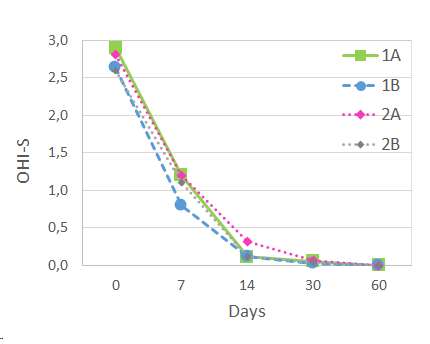
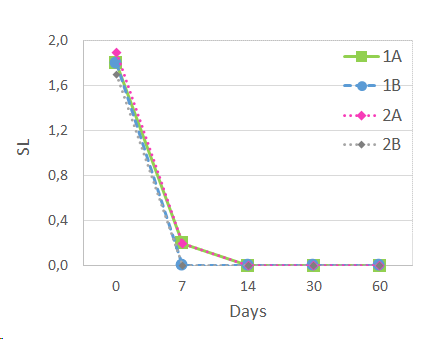
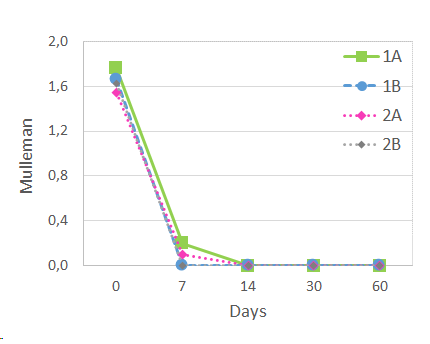
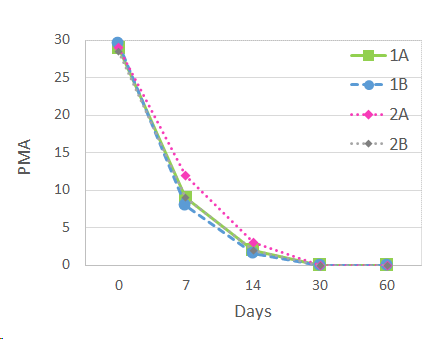
As early as the 14th day of the study, PMA index values decreased from 29.5% to 2% and 1.5% in subgroups A and B, respectively. In group 2, the index values decreased to 3% and 2% (see Fig. 4). The best results in subgroup B were due to the use of a soft toothbrush.
Bleeding disappeared in all subjects, indicating the achievement of an anti-inflammatory effect in periodontal tissues (Fig. 3).
Fig. 1. Level of oral hygiene
Fig. 2. Amount of plaque in the gingival region
Fig. 3. Bleeding index
Fig. 4. Gingivitis severity score
The study of the effect of enzyme-containing toothpastes on the initial forms of inflammatory periodontal diseases, characterised by an increased tendency to plaque formation, confirmed their high efficiency.
With regular brushing using a soft brush, a pronounced anti-inflammatory effect on the periodontium was observed within a week.
After two weeks of using R.O.C.S. toothpaste, significant improvements in oral hygiene and a pronounced anti-inflammatory effect were observed, as evaluated by hygiene indices and PMA.
At the follow-up examination after two months, no deterioration in the results was observed in either group.
No cases of local irritation or allergic reactions to the oral mucosa were recorded during the entire application period.
Confirmation of the prebiotic and anti-adhesive properties of xylitol (normalization of microflora, protection against cariogenic bacteria and Candida fungi):
The high prevalence of caries in young children necessitates the use of therapeutic and preventive products that target the primary etiopathogenetic factor of this disease — pathogenic microflora. This study presents comparative data on the antimicrobial effectiveness of products containing xylitol and chlorhexidine, as well as their effect on the microbiocenosis composition of the dental biofilm.
A total of 30 patients aged 12 to 36 months with early childhood caries (18 boys and 12 girls) were followed for one month. The patients were divided into two equal groups using a blinded method:
It was recommended that the remineralizing gels be applied 4–5 times a day after toothbrushing. All procedures were performed by the patients' parents at home after receiving prior instruction.
At baseline and at the end of the prescribed treatment course, all patients underwent molecular biology testing using multiplex PCR at the NIMSI laboratory.
In group 1, a significant reduction in colonization by cariogenic species was detected, along with a positive effect of the R.O.C.S. Medical Minerals remineralizing gel components on the ratio of cariogenic to resident species, as well as a decrease in the quantity and frequency of detection of certain periodontopathogenic anaerobic bacteria (Table 1). An important positive feature of the change in the dental biofilm microbiocenosis composition in the first group was also the disappearance of Candida fungi.
Examination of the microbial flora of dental plaque in group 2 patients one month after treatment showed only some positive shifts in the ratio of cariogenic to normal flora, and a decrease in the frequency of detection of certain virulent strains. At the same time, the quantity and frequency of detection of representatives of the resident bacterial group — enterococci — decreased. In addition, the detection rate of the yeast-like fungus Candida albicans increased, with a statistically significant rise in the fungal colonization of dental plaque. These data indicate the development of dysbiosis with the use of chlorhexidine.
Table 1. Comparative assessment of changes in the frequency of detection of microbial flora in dental plaque between the two groups after a course of therapy
| Genus, species of bacteria | 0.1% chlorhexidine | R.O.C.S. Medical Minerals with xylitol |
|---|---|---|
| Streptococcus mutans (cariogenic strain) | no change | 45.4% reduction |
| Actinomyces spp. (cariogenic strain) | 33.3% reduction | 44.5% reduction |
| Veillonella parvula (resident) | 24.7% increase | 40.2% increase |
| Porphyromonas gingivalis (periodontopathogen) | 66.5% reduction | no change |
| Prevotella melaninogenica (virulent strain) | 20% increase | 44.5% reduction |
| Fusobacterium nucleatum (periodontopathogen) | 4.8-fold increase | 33.5% reduction |
| Candida albicans (fungus, pathogen) | 49.8% increase | complete disappearance |
A clinical examination after one month showed no new carious cavities or demineralization foci in group 1 patients; existing chalky spots regained their luster; the progression of carious defects was halted; and signs of catarrhal gingivitis disappeared.
During the clinical examination of group 2 patients, no new carious cavities were recorded either; the disappearance of catarrhal gingivitis signs was observed in 80% of patients (of those who had it at baseline).
The inclusion of both xylitol and chlorhexidine as antimicrobial therapy in the comprehensive treatment plan for early childhood caries leads to a reduction in the detection frequency and colonization level of cariogenic and periodontopathogenic flora in dental plaque.
The data presented indicate a more physiological action of xylitol; it has a positive effect on the microbiocenosis composition of the dental biofilm, normalizing the qualitative (species) composition and the quantitative bacterial load of both cariogenic and stabilizing resident species.
Very few substances are known today that can significantly affect the caries-causing environment in the mouth and reduce the risk of tooth decay. One of the most widely studied substances with an anti-caries effect is xylitol. However, the antibacterial mechanism of xylitol is not fully understood. This study provides data confirming xylitol's ability to significantly inhibit the adhesion of oral streptococci, the primary formers of dental plaque. These bacteria delay the development of caries- and periodontal disease-causing bacteria on tooth surfaces through a mechanism called co-adhesion. We also revealed the ability of xylitol to inhibit the adhesion of Streptococcus sobrinus, a microorganism associated with caries, and Staphylococcus aureus, which increases the virulence level of dental plaque. This mechanism of action is realised in toothpaste within the time period traditionally recommended for brushing teeth.
A long-term study confirming the anti-caries effect of R.O.C.S. toothpaste with xylitol and active minerals (calcium glycerophosphate + magnesium chloride):
A two-year program of supervised toothbrushing carried out in schools on children aged 6-7 using R.O.C.S. (Re-mineralizing Oral Care System) toothpastes has shown very effective results in reducing the OHI-S index scores by 53-57%, the GI index scores by 57-73% and the 2-year DMFT scores by 29-32%. Remineralizing toothpastes with-out fluorine, containing 500 ppm AmF or 1000 ppm NaF, were as effective in terms of improving the oral health of the schoolchildren.
Sorbitol, Silica, Glycerin, Aqua, Xylitol, Cocamidopropyl Betaine, Aroma, Xanthan Gum, Calcium Glycerophosphate, Bromelain, Sodium Benzoate, Magnesium Chloride, Sodium Saccharin, O-Cymen-5-ol.
Use twice a day (morning and evening). Recommended toothbrushing time is 2-3 minutes.
To enhance the whitening effect, use together with the R.O.C.S. PRO WHITENING toothbrush.
Suitable for regular oral care, with no time restrictions on use.
Description
Active ingredients
Properties
Clinical trials
Ingredients
Application

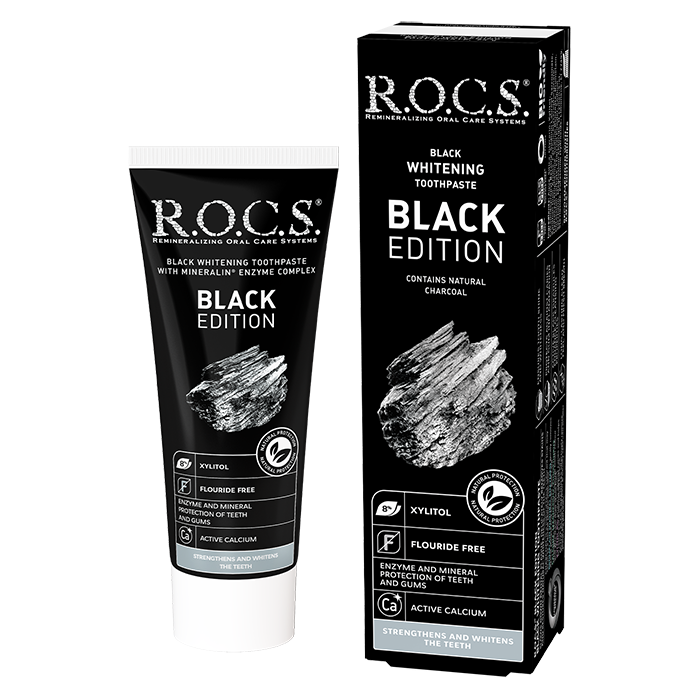
The unique formula of R.O.C.S. BLACK EDITION toothpaste delivers effective teeth cleaning through its plaque control system. Charcoal — a natural, safe pigment — acts as an indicator, tinting any plaque that hasn't been fully removed. It also tends to make people brush for the full three minutes. That's enough time for the proteolytic enzyme to break down the protein component of dental plaque, which helps clean teeth and gums more effectively.
The mineral components of the complex strengthen tooth enamel. Through natural remineralization, teeth take on a lighter shade and a healthier look.
A black toothpaste with a classic mint flavor.
Confirmation of the toothpaste's whitening properties:
The study presents a comparative characterization of the whitening effectiveness of three toothpastes containing various active components that contribute to enamel lightening. The approach to selecting hygiene products for achieving a tooth whitening effect is substantiated.
The study involved 75 people aged 18–45 years with no inflammatory periodontal diseases in the acute stage and no contraindications to tooth whitening. All participants were issued toothpastes in identical tubes with sequential numbering, and their individual oral hygiene skills were checked. The assigned toothpaste was to be used for toothbrushing twice a day.
Depending on the toothpaste received, the subjects were divided into three equal groups of 25 people each:
The comparison of the whitening effectiveness of the toothpastes was carried out after 28 days of clinical observation (Table 1). The primary endpoint was the color reduction amplitude of the anterior teeth group, assessed using an instrumental method with the VITA Easyshade™ spectrophotometer (VITA Zahnfabrik, Germany).
Table 1. Color change in the anterior teeth group after 28 days
| Group | Mean color reduction per group |
|---|---|
| R.O.C.S. with MINERALIN complex | 1.69 ± 0.22 |
| Rembrandt Plus | 1.59 ± 0.23 |
| Blend-a-Med 3D White | 1.72 ± 0.23 |
No statistically significant difference was found between the groups. Therefore, the effectiveness of the whitening agents in the three samples is similar.
During the statistical processing of the results, a group of patients with previously whitened teeth was identified. The use of whitening toothpastes in this study did not reveal any positive dynamics in tooth lightening in these patients, but it stabilized the result previously obtained from professional whitening.
An indirect indicator of the safety of whitening toothpastes is the occurrence of hard tissue sensitivity. In groups 1 and 3, sensitivity was observed in 8% of subjects, while in group 2 it was observed in 28% of subjects.
In addition to the lightening effect, specialized toothpastes should have standard cleansing properties. With initially similar baseline levels, over 4 weeks the OHI-s index reduction in all groups was 44–45% from baseline.
The inclusion of proteolytic enzymes as an active component in toothpaste makes it possible to achieve a lightening result similar to that obtained with an abrasive-polishing toothpaste.
Bromelain toothpaste has been proven to reduce bacterial adhesion and, as a result, slow the rate of dental plaque formation:
The present study aimed to evaluate the effect of R.O.C.S. enzyme-containing toothpaste with bromelain and xylitol on the adhesion of microorganisms in the human oral cavity. A positive control was created using R.O.C.S. toothpaste with xylitol, but without the enzyme.
Anti-adhesive activity was studied using a culture of human embryonic musculocutaneous fibroblasts.
The test microorganism cultures were clinical strains of microorganisms isolated from the oral cavities of volunteers: Staphylococcus aureus, Streptococcus salivarius, Streptococcus sanguis and Streptococcus sobrinus.
A sample of the toothpaste at a dilution of 1:20,000 (in the presence of 50% human serum) and a culture of the test strain at a dose of 10⁸ KOU/ml were added to the cell culture and incubated at 37 °C. After incubation, the monolayer cells were washed to remove unattached bacteria by repeatedly changing the Eagle's medium. The cells were then fixed with ethyl alcohol, stained with Romanowsky-Giemsa, and examined under a microscope.
The degree of microbial adhesion was determined by the microbial load relative to the control, which was taken as 100%.
The study was carried out using the blind method. All studies were carried out three times.
After three minutes of incubation, which corresponds to the duration of normal tooth brushing, the suppression of adhesion was as follows:
However, when the exposure time was increased to 2 hours, the anti-adhesive efficacy decreased significantly. This seems to be due to the adhesion becoming reversible shortly after the strains were introduced into the model system, as adhesion usually becomes irreversible after 1–2 hours.
Fig. 1. Control fibroblast cells
Fig. 2. Cells + Str. salivarius
Fig. 3. Cells + S. salivarius + bromelain paste
(exposure 2h.)
Fig. 4. Cells + Str.salivarius + paste with bromelain
(exposure 3 min.)
Anti-inflammatory activity of bromelain:
Toothpastes containing antiseptic substances such as triclosan, chlorhexidine, aluminium and zinc salts are among the hygiene products capable of inhibiting plaque formation. However, their high antimicrobial activity can lead to oral dysbacteriosis with long-term use, reducing the effectiveness of treatment. An alternative are hygiene products whose antimicrobial action is realised due to enzyme-containing components.
Over a period of two months, 40 patients, aged 18–36 years and of both sexes, with chronic catarrhal gingivitis were examined. The patients were randomly divided into two groups:
Within each group, two subgroups were identified according to the toothbrush used:
The toothpaste studies were conducted using a double-blind method. Repeated examinations, including an assessment of indices and diagnostic tests, were carried out after one and two weeks and again after one and two months.
Following the initial visual examination and calculation of the indices, it was found that acute and chronic catarrhal gingivitis of a mild degree were predominant in both groups.
As early as the 14th day of the study, PMA index values decreased from 29.5% to 2% and 1.5% in subgroups A and B, respectively. In group 2, the index values decreased to 3% and 2% (see Fig. 4). The best results in subgroup B were due to the use of a soft toothbrush.
Bleeding disappeared in all subjects, indicating the achievement of an anti-inflammatory effect in periodontal tissues (Fig. 3).
Fig. 1. Level of oral hygiene
Fig. 2. Amount of plaque in the gingival region
Fig. 3. Bleeding index
Fig. 4. Gingivitis severity score
The study of the effect of enzyme-containing toothpastes on the initial forms of inflammatory periodontal diseases, characterised by an increased tendency to plaque formation, confirmed their high efficiency.
With regular brushing using a soft brush, a pronounced anti-inflammatory effect on the periodontium was observed within a week.
After two weeks of using R.O.C.S. toothpaste, significant improvements in oral hygiene and a pronounced anti-inflammatory effect were observed, as evaluated by hygiene indices and PMA.
At the follow-up examination after two months, no deterioration in the results was observed in either group.
No cases of local irritation or allergic reactions to the oral mucosa were recorded during the entire application period.
Confirmation of the prebiotic and anti-adhesive properties of xylitol (normalization of microflora, protection against cariogenic bacteria and Candida fungi):
The high prevalence of caries in young children necessitates the use of therapeutic and preventive products that target the primary etiopathogenetic factor of this disease — pathogenic microflora. This study presents comparative data on the antimicrobial effectiveness of products containing xylitol and chlorhexidine, as well as their effect on the microbiocenosis composition of the dental biofilm.
A total of 30 patients aged 12 to 36 months with early childhood caries (18 boys and 12 girls) were followed for one month. The patients were divided into two equal groups using a blinded method:
It was recommended that the remineralizing gels be applied 4–5 times a day after toothbrushing. All procedures were performed by the patients' parents at home after receiving prior instruction.
At baseline and at the end of the prescribed treatment course, all patients underwent molecular biology testing using multiplex PCR at the NIMSI laboratory.
In group 1, a significant reduction in colonization by cariogenic species was detected, along with a positive effect of the R.O.C.S. Medical Minerals remineralizing gel components on the ratio of cariogenic to resident species, as well as a decrease in the quantity and frequency of detection of certain periodontopathogenic anaerobic bacteria (Table 1). An important positive feature of the change in the dental biofilm microbiocenosis composition in the first group was also the disappearance of Candida fungi.
Examination of the microbial flora of dental plaque in group 2 patients one month after treatment showed only some positive shifts in the ratio of cariogenic to normal flora, and a decrease in the frequency of detection of certain virulent strains. At the same time, the quantity and frequency of detection of representatives of the resident bacterial group — enterococci — decreased. In addition, the detection rate of the yeast-like fungus Candida albicans increased, with a statistically significant rise in the fungal colonization of dental plaque. These data indicate the development of dysbiosis with the use of chlorhexidine.
Table 1. Comparative assessment of changes in the frequency of detection of microbial flora in dental plaque between the two groups after a course of therapy
| Genus, species of bacteria | 0.1% chlorhexidine | R.O.C.S. Medical Minerals with xylitol |
|---|---|---|
| Streptococcus mutans (cariogenic strain) | no change | 45.4% reduction |
| Actinomyces spp. (cariogenic strain) | 33.3% reduction | 44.5% reduction |
| Veillonella parvula (resident) | 24.7% increase | 40.2% increase |
| Porphyromonas gingivalis (periodontopathogen) | 66.5% reduction | no change |
| Prevotella melaninogenica (virulent strain) | 20% increase | 44.5% reduction |
| Fusobacterium nucleatum (periodontopathogen) | 4.8-fold increase | 33.5% reduction |
| Candida albicans (fungus, pathogen) | 49.8% increase | complete disappearance |
A clinical examination after one month showed no new carious cavities or demineralization foci in group 1 patients; existing chalky spots regained their luster; the progression of carious defects was halted; and signs of catarrhal gingivitis disappeared.
During the clinical examination of group 2 patients, no new carious cavities were recorded either; the disappearance of catarrhal gingivitis signs was observed in 80% of patients (of those who had it at baseline).
The inclusion of both xylitol and chlorhexidine as antimicrobial therapy in the comprehensive treatment plan for early childhood caries leads to a reduction in the detection frequency and colonization level of cariogenic and periodontopathogenic flora in dental plaque.
The data presented indicate a more physiological action of xylitol; it has a positive effect on the microbiocenosis composition of the dental biofilm, normalizing the qualitative (species) composition and the quantitative bacterial load of both cariogenic and stabilizing resident species.
Very few substances are known today that can significantly affect the caries-causing environment in the mouth and reduce the risk of tooth decay. One of the most widely studied substances with an anti-caries effect is xylitol. However, the antibacterial mechanism of xylitol is not fully understood. This study provides data confirming xylitol's ability to significantly inhibit the adhesion of oral streptococci, the primary formers of dental plaque. These bacteria delay the development of caries- and periodontal disease-causing bacteria on tooth surfaces through a mechanism called co-adhesion. We also revealed the ability of xylitol to inhibit the adhesion of Streptococcus sobrinus, a microorganism associated with caries, and Staphylococcus aureus, which increases the virulence level of dental plaque. This mechanism of action is realised in toothpaste within the time period traditionally recommended for brushing teeth.
A long-term study confirming the anti-caries effect of R.O.C.S. toothpaste with xylitol and active minerals (calcium glycerophosphate + magnesium chloride):
A two-year program of supervised toothbrushing carried out in schools on children aged 6-7 using R.O.C.S. (Re-mineralizing Oral Care System) toothpastes has shown very effective results in reducing the OHI-S index scores by 53-57%, the GI index scores by 57-73% and the 2-year DMFT scores by 29-32%. Remineralizing toothpastes with-out fluorine, containing 500 ppm AmF or 1000 ppm NaF, were as effective in terms of improving the oral health of the schoolchildren.
Aqua, Silica, Glycerin, Xylitol, Cocamidopropyl Betaine, Sodium Lauroyl Sarcosinate, Xanthan Gum, Aroma, Calcium Glycerophosphate, Hydroxyacetophenone, Sodium Benzoate, Bromelain, Potassium Sorbate, Charcoal Powder, Sodium Saccharin, Magnesium Chloride, O-cymen-5-ol, Stevioside, Potassium Hydroxide, Limonene, CI 77499.
Use twice a day (morning and evening). Recommended toothbrushing time is 2-3 minutes.
For best results, use with the R.O.C.S. BLACK EDITION black toothbrush.
Suitable for regular oral care, with no time restrictions on use.
Description
Active ingredients
Properties
RIA
Clinical trials
Ingredients
Application

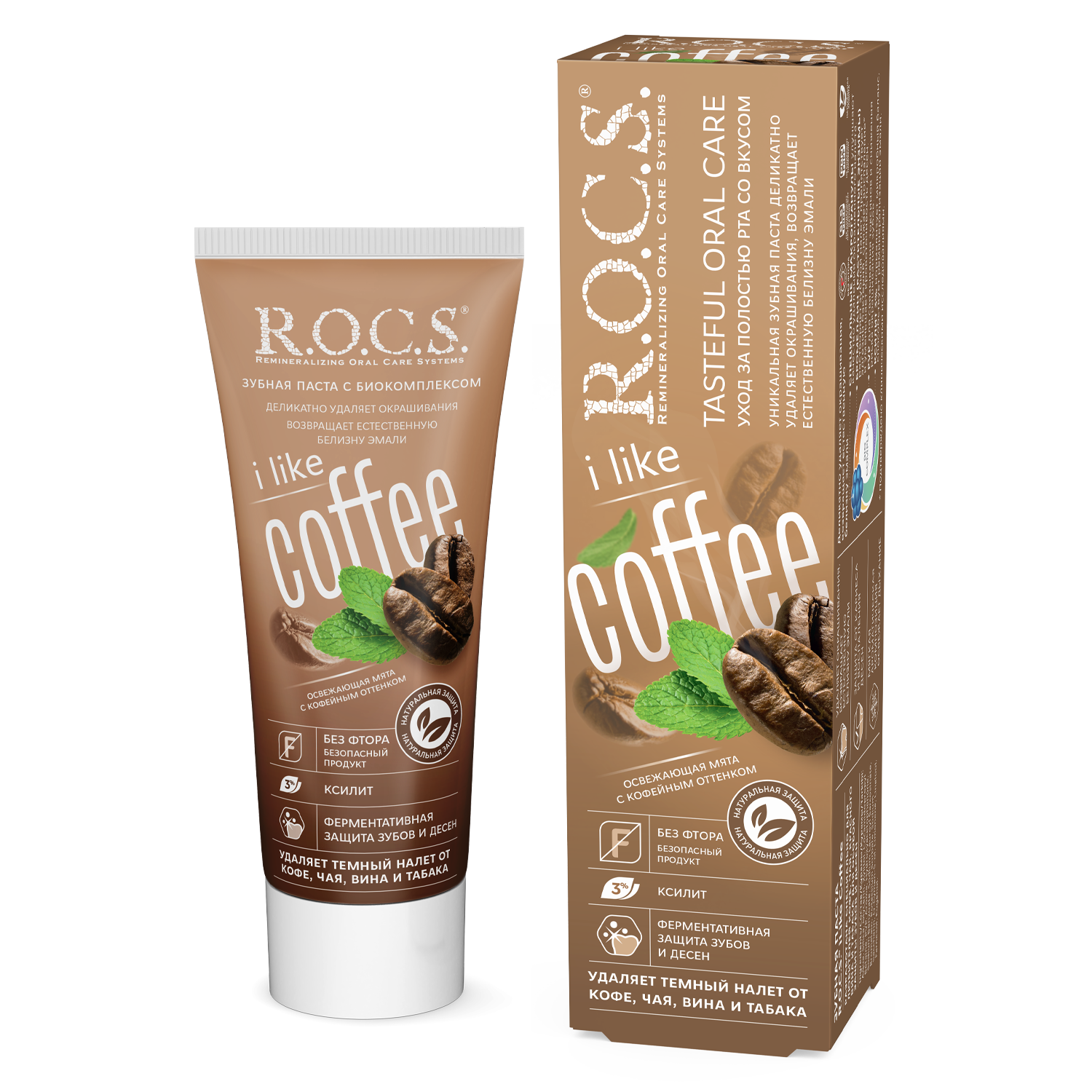
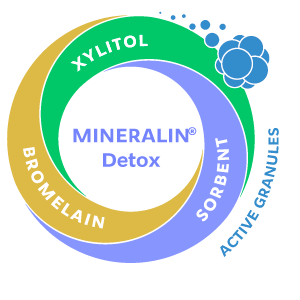
R.O.C.S. iLike Coffee toothpaste contains the patented MINERALIN Detox complex and active cleansing granules.
Regular use of the toothpaste helps remove surface enamel stains and slows the formation of dental plaque and tartar.
A cream-colored toothpaste with a mild, refreshing mint flavor with coffee notes. Contains no artificial colorants.
* Russian Abrasivity Index reflects the cleaning capacity level of oral care products and polishing pastes. Products with a higher RIA value have enhanced cleaning properties, but are also a risk factor for the development of non-carious dental lesions, therefore the choice of toothpaste should be guided by the condition of the hard dental tissues.
The DRC group of companies, in collaboration with the Institute of Digital Dentistry of the RUDN Medical Institute, has developed and is implementing a new toothpaste abrasivity measurement standard in Russia that meets the highest requirements: safety, accuracy, reproducibility. Принято. This methodology is an alternative to the RDA measurement method and offers a number of advantages. Its effectiveness has been confirmed by a large-scale experimental and clinical study involving 534 patients.
The methodology is based on a rotary machine and digital technologies developed by a research group of dentists, physicists, and digital modeling specialists. QLF diagnostics, intraoral scanning, and digital analysis were used in the work, which made it possible to obtain objective data on tooth wear and the influence of abrasivity over time.
More detailed information on the Russian Abrasivity Index (RIA)
Bromelain toothpaste has been proven to reduce bacterial adhesion and, as a result, slow the rate of dental plaque formation:
The present study aimed to evaluate the effect of R.O.C.S. enzyme-containing toothpaste with bromelain and xylitol on the adhesion of microorganisms in the human oral cavity. A positive control was created using R.O.C.S. toothpaste with xylitol, but without the enzyme.
Anti-adhesive activity was studied using a culture of human embryonic musculocutaneous fibroblasts.
The test microorganism cultures were clinical strains of microorganisms isolated from the oral cavities of volunteers: Staphylococcus aureus, Streptococcus salivarius, Streptococcus sanguis and Streptococcus sobrinus.
A sample of the toothpaste at a dilution of 1:20,000 (in the presence of 50% human serum) and a culture of the test strain at a dose of 10⁸ KOU/ml were added to the cell culture and incubated at 37 °C. After incubation, the monolayer cells were washed to remove unattached bacteria by repeatedly changing the Eagle's medium. The cells were then fixed with ethyl alcohol, stained with Romanowsky-Giemsa, and examined under a microscope.
The degree of microbial adhesion was determined by the microbial load relative to the control, which was taken as 100%.
The study was carried out using the blind method. All studies were carried out three times.
After three minutes of incubation, which corresponds to the duration of normal tooth brushing, the suppression of adhesion was as follows:
However, when the exposure time was increased to 2 hours, the anti-adhesive efficacy decreased significantly. This seems to be due to the adhesion becoming reversible shortly after the strains were introduced into the model system, as adhesion usually becomes irreversible after 1–2 hours.
Fig. 1. Control fibroblast cells
Fig. 2. Cells + Str. salivarius
Fig. 3. Cells + S. salivarius + bromelain paste
(exposure 2h.)
Fig. 4. Cells + Str.salivarius + paste with bromelain
(exposure 3 min.)
Anti-inflammatory activity of bromelain:
Toothpastes containing antiseptic substances such as triclosan, chlorhexidine, aluminium and zinc salts are among the hygiene products capable of inhibiting plaque formation. However, their high antimicrobial activity can lead to oral dysbacteriosis with long-term use, reducing the effectiveness of treatment. An alternative are hygiene products whose antimicrobial action is realised due to enzyme-containing components.
Over a period of two months, 40 patients, aged 18–36 years and of both sexes, with chronic catarrhal gingivitis were examined. The patients were randomly divided into two groups:
Within each group, two subgroups were identified according to the toothbrush used:
The toothpaste studies were conducted using a double-blind method. Repeated examinations, including an assessment of indices and diagnostic tests, were carried out after one and two weeks and again after one and two months.
Following the initial visual examination and calculation of the indices, it was found that acute and chronic catarrhal gingivitis of a mild degree were predominant in both groups.
As early as the 14th day of the study, PMA index values decreased from 29.5% to 2% and 1.5% in subgroups A and B, respectively. In group 2, the index values decreased to 3% and 2% (see Fig. 4). The best results in subgroup B were due to the use of a soft toothbrush.
Bleeding disappeared in all subjects, indicating the achievement of an anti-inflammatory effect in periodontal tissues (Fig. 3).
Fig. 1. Level of oral hygiene
Fig. 2. Amount of plaque in the gingival region
Fig. 3. Bleeding index
Fig. 4. Gingivitis severity score
The study of the effect of enzyme-containing toothpastes on the initial forms of inflammatory periodontal diseases, characterised by an increased tendency to plaque formation, confirmed their high efficiency.
With regular brushing using a soft brush, a pronounced anti-inflammatory effect on the periodontium was observed within a week.
After two weeks of using R.O.C.S. toothpaste, significant improvements in oral hygiene and a pronounced anti-inflammatory effect were observed, as evaluated by hygiene indices and PMA.
At the follow-up examination after two months, no deterioration in the results was observed in either group.
No cases of local irritation or allergic reactions to the oral mucosa were recorded during the entire application period.
Aqua, Silica, Glycerin, Xylitol, Cocamidopropyl, Betaine, PVP, Aroma, Hydroxyacetophenone, Sodium,Benzoate, Sodium Lauroyl Sarcosinate, Bromelain, Potassium Sorbate, Sodium Saccharin, O-Cymen-5-ol, Limonene, Linalool, Farnesol, Eugenol.
Use twice a day (morning and evening). Recommended toothbrushing time is 2-3 minutes.
Suitable for all ages, with no time restrictions on use.
For better removal of dark plaque, use together with the R.O.C.S. SMOKERS or R.O.C.S. PRO WHITENING toothbrush.

The unique R.O.C.S. PRO Brackets & Ortho toothpaste contains the proteolytic enzyme bromelain, which cleans areas a toothbrush can't reach. Special gentle granules boost the toothpaste's cleaning power.
Bromelain combined with xylitol reduces bacterial adhesion, tackling the drivers of inflammation and keeping teeth and gums clean for longer. Bromelain also has a direct anti-inflammatory effect, which matters most right after braces are adjusted.
The toothpaste's mineralizing complex strengthens enamel and increases its caries resistance.
A cream-colored toothpaste with white granules and a mild, refreshing flavor. The color may range from cream to brown due to its plant-based ingredients. Contains no artificial colorants.
* Russian Abrasivity Index reflects the cleaning capacity level of oral care products and polishing pastes. Products with a higher RIA value have enhanced cleaning properties, but are also a risk factor for the development of non-carious dental lesions, therefore the choice of toothpaste should be guided by the condition of the hard dental tissues.
The DRC group of companies, in collaboration with the Institute of Digital Dentistry of the RUDN Medical Institute, has developed and is implementing a new toothpaste abrasivity measurement standard in Russia that meets the highest requirements: safety, accuracy, reproducibility. Принято. This methodology is an alternative to the RDA measurement method and offers a number of advantages. Its effectiveness has been confirmed by a large-scale experimental and clinical study involving 534 patients.
The methodology is based on a rotary machine and digital technologies developed by a research group of dentists, physicists, and digital modeling specialists. QLF diagnostics, intraoral scanning, and digital analysis were used in the work, which made it possible to obtain objective data on tooth wear and the influence of abrasivity over time.
More detailed information on the Russian Abrasivity Index (RIA)
Effectiveness of R.O.C.S. toothpaste with bromelain during orthodontic treatment:
The study assessed the level of oral hygiene using the OHI-S and PHP hygiene indices before and after two weeks of using various toothpastes in patients with removable orthodontic appliances. The indices improved significantly as a result of using various hygiene products. The anti-inflammatory effect was observed only after using toothpastes containing bromelain and an antiseptic. Given the duration of orthodontic treatment, the use of enzyme-based toothpastes is more promising for maintaining the good condition of the hard dental tissues and periodontal tissues in children, since the long-term use of toothpastes with antiseptics (more than two weeks) is not recommended.
The study involved patients aged 6 to 12 years undergoing treatment with removable orthodontic appliances. After 4 weeks of using a toothpaste containing the enzyme bromelain and xylitol, the proportion of pathogenic microorganisms in the oral microflora decreased by 1.8 times, complete elimination of Candida and Aspergillus fungi was achieved, and no negative effect on the quantitative composition of the normal microflora was recorded. The results obtained in the study allow recommending the toothpaste with the bromelain enzyme and xylitol for continuous oral care and care of orthodontic appliances in children.
Effectiveness of R.O.C.S. toothpaste with bromelain in patients with removable dentures:
The study involved 30 patients over 40 years of age using removable prosthetic appliances (partial and complete removable plate dentures). The patients were advised to brush their teeth and removable acrylic appliances twice a day with R.O.C.S. toothpaste containing the proteolytic enzyme bromelain. After 2 weeks of using the toothpaste, the proportion of pathogenic microorganisms in the oral microflora decreased by 2.4 times, the number of cultured Candida albicans strains decreased by 76%, and in the majority of patients this strain was completely eliminated. Inflammatory symptoms in the mucosa of the denture-bearing area disappeared in the majority of patients (93% of cases). The results obtained in the study allow recommending toothpaste with the bromelain enzyme for continuous hygiene care in patients using partial and complete removable dentures.
R.O.C.S. toothpaste with bromelain significantly improves oral hygiene, slows plaque formation and reduces its cariogenicity, provides a long-lasting clean feeling, and reduces gum inflammation and bleeding:
The study aimed to compare the effects of two toothpastes: one containing the broad-spectrum antiseptic triclosan and sodium fluoride ([F⁻] = 0.145%), and the other containing xylitol, bromelain, calcium glycerophosphate, and magnesium chloride. The study examined their impact on the hygienic state of the oral cavity, plaque formation rates, cariesogenicity, and gingivitis intensity. Over a period of three months, 60 volunteers aged 18–45 years of both sexes brushed their teeth with a sample of one of the toothpastes. R.O.C.S. toothpaste was more effective in all measured areas
R.O.C.S. toothpaste with a MINERALIN Enzyme complex slows down the formation of dental plaque, provides high cleaning efficacy and preventive action against dental caries and inflammatory periodontal diseases, and can be recommended to patients for the individual prevention of the most common dental diseases.
Adult volunteers (aged 22–40) brushed their teeth twice a day (morning and evening) with samples of toothpaste from different price categories for two months. All participants were provided with the same toothbrushes and received training in a standardised oral hygiene care method. The results of the study showed that the condition of the participants' oral cavities depended on the toothpaste used. Statistically significant positive changes were only observed when using enzyme-containing toothpastes from the medium and higher price categories, such as R.O.C.S. and Rembrandt. Using R.O.C.S. and Rembrandt toothpastes resulted in significant improvements in the oral hygiene of all participants. After two weeks from the start of the study, the anti-inflammatory efficacy of these toothpastes was 44.8% and 38.5%, respectively. During the R.O.C.S. toothpaste trial, many participants also reported that their teeth felt smooth for longer – until the next brushing.
The present study aimed to evaluate the effect of R.O.C.S. enzyme-containing toothpaste with bromelain and xylitol on the adhesion of microorganisms in the human oral cavity. A positive control was created using R.O.C.S. toothpaste with xylitol, but without the enzyme.
Anti-adhesive activity was studied using a culture of human embryonic musculocutaneous fibroblasts.
The test microorganism cultures were clinical strains of microorganisms isolated from the oral cavities of volunteers: Staphylococcus aureus, Streptococcus salivarius, Streptococcus sanguis and Streptococcus sobrinus.
A sample of the toothpaste at a dilution of 1:20,000 (in the presence of 50% human serum) and a culture of the test strain at a dose of 10⁸ KOU/ml were added to the cell culture and incubated at 37 °C. After incubation, the monolayer cells were washed to remove unattached bacteria by repeatedly changing the Eagle's medium. The cells were then fixed with ethyl alcohol, stained with Romanowsky-Giemsa, and examined under a microscope.
The degree of microbial adhesion was determined by the microbial load relative to the control, which was taken as 100%.
The study was carried out using the blind method. All studies were carried out three times.
After three minutes of incubation, which corresponds to the duration of normal tooth brushing, the suppression of adhesion was as follows:
However, when the exposure time was increased to 2 hours, the anti-adhesive efficacy decreased significantly. This seems to be due to the adhesion becoming reversible shortly after the strains were introduced into the model system, as adhesion usually becomes irreversible after 1–2 hours.
Fig. 1. Control fibroblast cells
Fig. 2. Cells + Str. salivarius
Fig. 3. Cells + S. salivarius + bromelain paste
(exposure 2h.)
Fig. 4. Cells + Str.salivarius + paste with bromelain
(exposure 3 min.)
R.O.C.S. toothpaste with active minerals (calcium glycerophosphate + magnesium chloride) and xylitol saturates enamel with minerals and increases caries resistance and the rate of tooth remineralization:
The study found that R.O.C.S. toothpaste containing sources of calcium, phosphate, and magnesium, without fluoride, enhances caries resistance of teeth no less effectively than a toothpaste containing sodium fluoride at maximum concentrations (1500 ppm F–).
R.O.C.S. toothpaste significantly increases the rate of remineralization of teeth exposed to acid, and, due to its ability to limit plaque growth, allows achieving a good level of oral hygiene within one week of use.
Enamel tunnels are microstructures that curve in an S-shape along the bundles of enamel prisms and extend to the dentin, penetrating it in the form of enamel bridges, where metabolic exchange between the enamel and dentin takes place. On the enamel surface, these tunnels open as enamel pores. X-ray spectral microanalysis and planar spectrograms show that the walls of enamel tunnels and the areas near them contain mainly mineral components (Ca, Ba, Cd, Sr, P, Si, As, C, K, Br, I, Cl), while the lumen contains organic components. It has been established that the mineral component of R.O.C.S. toothpastes actively penetrates through the enamel tunnels into the area of the enamel-dentin junction and the superficial layers of the dentin, exerting a positive effect on the structural and functional caries resistance of teeth.
A long-term study confirming the anti-caries effect of R.O.C.S. toothpaste with xylitol and active minerals (calcium glycerophosphate + magnesium chloride):
A two-year program of supervised toothbrushing carried out in schools on children aged 6-7 using R.O.C.S. (Re-mineralizing Oral Care System) toothpastes has shown very effective results in reducing the OHI-S index scores by 53-57%, the GI index scores by 57-73% and the 2-year DMFT scores by 29-32%. Remineralizing toothpastes with-out fluorine, containing 500 ppm AmF or 1000 ppm NaF, were as effective in terms of improving the oral health of the schoolchildren.
Sorbitol, Silica, Glycerin, Aqua, Xylitol, Cocamidopropyl Betaine, Aroma, Xanthan Gum, Calcium Glycerophosphate, Bromelain, Magnesium Chloride, Sodium Saccharin, Sodium Benzoate, O-Cymen-5-ol.
Brush twice a day (morning and evening). Recommended toothbrushing time is 2-3 minutes.
Suitable for all ages, with no time restrictions on use.
If you have fixed orthodontic appliances, we recommend brushing with the specialized R.O.C.S. PRO Brackets & Ortho toothbrush, designed with a special bristle trim, along with the R.O.C.S. PRO Mono single-tuft brush.

The unique R.O.C.S. PRO Implants toothpaste delivers thorough hygiene and enhanced care for soft tissues, helping prevent gum inflammation — especially important around implants and other prosthetic appliances, where it helps preserve and extend their service life.
Bromelain combined with xylitol reduces bacterial adhesion, tackling the local drivers of inflammation and keeping teeth and gums clean for longer.
Oral antimicrobial protection is boosted by honeysuckle flower extract, which also has tissue-protective properties.
The formula is also enhanced with taurine to normalize energy metabolism in periodontal tissues.
The toothpaste's mineralizing complex strengthens tooth enamel and increases its caries resistance.
A cream-colored toothpaste with white granules and a mild, refreshing flavor. The color may range from cream to brown due to its plant-based ingredients. Contains no artificial colorants.

* Russian Abrasivity Index reflects the cleaning capacity level of oral care products and polishing pastes. Products with a higher RIA value have enhanced cleaning properties, but are also a risk factor for the development of non-carious dental lesions, therefore the choice of toothpaste should be guided by the condition of the hard dental tissues.
The DRC group of companies, in collaboration with the Institute of Digital Dentistry of the RUDN Medical Institute, has developed and is implementing a new toothpaste abrasivity measurement standard in Russia that meets the highest requirements: safety, accuracy, reproducibility. Принято. This methodology is an alternative to the RDA measurement method and offers a number of advantages. Its effectiveness has been confirmed by a large-scale experimental and clinical study involving 534 patients.
The methodology is based on a rotary machine and digital technologies developed by a research group of dentists, physicists, and digital modeling specialists. QLF diagnostics, intraoral scanning, and digital analysis were used in the work, which made it possible to obtain objective data on tooth wear and the influence of abrasivity over time.
More detailed information on the Russian Abrasivity Index (RIA)R.O.C.S. toothpaste with bromelain significantly improves oral hygiene, slows plaque formation and reduces its cariogenicity, provides a long-lasting clean feeling, and reduces gum inflammation and bleeding:
The study aimed to compare the effects of two toothpastes: one containing the broad-spectrum antiseptic triclosan and sodium fluoride ([F⁻] = 0.145%), and the other containing xylitol, bromelain, calcium glycerophosphate, and magnesium chloride. The study examined their impact on the hygienic state of the oral cavity, plaque formation rates, cariesogenicity, and gingivitis intensity. Over a period of three months, 60 volunteers aged 18–45 years of both sexes brushed their teeth with a sample of one of the toothpastes. R.O.C.S. toothpaste was more effective in all measured areas
R.O.C.S. toothpaste with a MINERALIN Enzyme complex slows down the formation of dental plaque, provides high cleaning efficacy and preventive action against dental caries and inflammatory periodontal diseases, and can be recommended to patients for the individual prevention of the most common dental diseases.
Adult volunteers (aged 22–40) brushed their teeth twice a day (morning and evening) with samples of toothpaste from different price categories for two months. All participants were provided with the same toothbrushes and received training in a standardised oral hygiene care method. The results of the study showed that the condition of the participants' oral cavities depended on the toothpaste used. Statistically significant positive changes were only observed when using enzyme-containing toothpastes from the medium and higher price categories, such as R.O.C.S. and Rembrandt. Using R.O.C.S. and Rembrandt toothpastes resulted in significant improvements in the oral hygiene of all participants. After two weeks from the start of the study, the anti-inflammatory efficacy of these toothpastes was 44.8% and 38.5%, respectively. During the R.O.C.S. toothpaste trial, many participants also reported that their teeth felt smooth for longer – until the next brushing.
The present study aimed to evaluate the effect of R.O.C.S. enzyme-containing toothpaste with bromelain and xylitol on the adhesion of microorganisms in the human oral cavity. A positive control was created using R.O.C.S. toothpaste with xylitol, but without the enzyme.
Anti-adhesive activity was studied using a culture of human embryonic musculocutaneous fibroblasts.
The test microorganism cultures were clinical strains of microorganisms isolated from the oral cavities of volunteers: Staphylococcus aureus, Streptococcus salivarius, Streptococcus sanguis and Streptococcus sobrinus.
A sample of the toothpaste at a dilution of 1:20,000 (in the presence of 50% human serum) and a culture of the test strain at a dose of 10⁸ KOU/ml were added to the cell culture and incubated at 37 °C. After incubation, the monolayer cells were washed to remove unattached bacteria by repeatedly changing the Eagle's medium. The cells were then fixed with ethyl alcohol, stained with Romanowsky-Giemsa, and examined under a microscope.
The degree of microbial adhesion was determined by the microbial load relative to the control, which was taken as 100%.
The study was carried out using the blind method. All studies were carried out three times.
After three minutes of incubation, which corresponds to the duration of normal tooth brushing, the suppression of adhesion was as follows:
However, when the exposure time was increased to 2 hours, the anti-adhesive efficacy decreased significantly. This seems to be due to the adhesion becoming reversible shortly after the strains were introduced into the model system, as adhesion usually becomes irreversible after 1–2 hours.
Fig. 1. Control fibroblast cells
Fig. 2. Cells + Str. salivarius
Fig. 3. Cells + S. salivarius + bromelain paste
(exposure 2h.)
Fig. 4. Cells + Str.salivarius + paste with bromelain
(exposure 3 min.)
In older patients with chronic periodontitis, using toothpaste with honeysuckle extract, xylitol, and bromelain improves oral hygiene and reduces gum inflammation:
A key aspect of oral aging is periodontal involvement. Periodontal diseases in older age groups occur against the background of a chronic low-intensity inflammatory process. Individual oral hygiene plays an important role in the treatment of inflammatory periodontal diseases and in maintaining stable remission. Due to the clinical and pathogenetic features of chronic periodontitis, individual oral hygiene products for elderly patients should have their own specific characteristics.
The study involved 175 elderly patients diagnosed with "chronic periodontitis" (ICD-10: K05.3; EFP, 2018: periodontitis grade I–II, type A–B). The patients underwent a comprehensive dental examination, as well as laboratory testing of oral fluid and buccal epithelium.
The results of the clinical and laboratory examination of elderly patients showed that the best cleansing and anti-inflammatory properties were found with the use of a preventive toothpaste containing honeysuckle extract, xylitol, and bromelain (R.O.C.S. PRO Implants).
When using this toothpaste in elderly patients with inflammatory periodontal diseases, a 43% reduction in OHI-S and an 18% reduction in the PMA index were observed. The effectiveness of the toothpaste is also confirmed by a 58% decrease in the oral fluid level of CRP, as well as a 51% decrease in the apoptosis index.
Effectiveness of R.O.C.S. toothpaste with bromelain in patients with removable dentures:
The study involved 30 patients over 40 years of age using removable prosthetic appliances (partial and complete removable plate dentures). The patients were advised to brush their teeth and removable acrylic appliances twice a day with R.O.C.S. toothpaste containing the proteolytic enzyme bromelain. After 2 weeks of using the toothpaste, the proportion of pathogenic microorganisms in the oral microflora decreased by 2.4 times, the number of cultured Candida albicans strains decreased by 76%, and in the majority of patients this strain was completely eliminated. Inflammatory symptoms in the mucosa of the denture-bearing area disappeared in the majority of patients (93% of cases). The results obtained in the study allow recommending toothpaste with the bromelain enzyme for continuous hygiene care in patients using partial and complete removable dentures.
R.O.C.S. toothpaste with active minerals (calcium glycerophosphate + magnesium chloride) and xylitol saturates enamel with minerals and increases caries resistance and the rate of tooth remineralization:
The study found that R.O.C.S. toothpaste containing sources of calcium, phosphate, and magnesium, without fluoride, enhances caries resistance of teeth no less effectively than a toothpaste containing sodium fluoride at maximum concentrations (1500 ppm F–).
R.O.C.S. toothpaste significantly increases the rate of remineralization of teeth exposed to acid, and, due to its ability to limit plaque growth, allows achieving a good level of oral hygiene within one week of use.
Enamel tunnels are microstructures that curve in an S-shape along the bundles of enamel prisms and extend to the dentin, penetrating it in the form of enamel bridges, where metabolic exchange between the enamel and dentin takes place. On the enamel surface, these tunnels open as enamel pores. X-ray spectral microanalysis and planar spectrograms show that the walls of enamel tunnels and the areas near them contain mainly mineral components (Ca, Ba, Cd, Sr, P, Si, As, C, K, Br, I, Cl), while the lumen contains organic components. It has been established that the mineral component of R.O.C.S. toothpastes actively penetrates through the enamel tunnels into the area of the enamel-dentin junction and the superficial layers of the dentin, exerting a positive effect on the structural and functional caries resistance of teeth.
The study found that R.O.C.S. toothpaste containing sources of calcium, phosphate, and magnesium, without fluoride, enhances caries resistance of teeth no less effectively than a toothpaste containing sodium fluoride at maximum concentrations (1500 ppm F–).
R.O.C.S. toothpaste significantly increases the rate of remineralization of teeth exposed to acid, and, due to its ability to limit plaque growth, allows achieving a good level of oral hygiene within one week of use.
A long-term study confirming the anti-caries effect of R.O.C.S. toothpaste with xylitol and active minerals (calcium glycerophosphate + magnesium chloride):
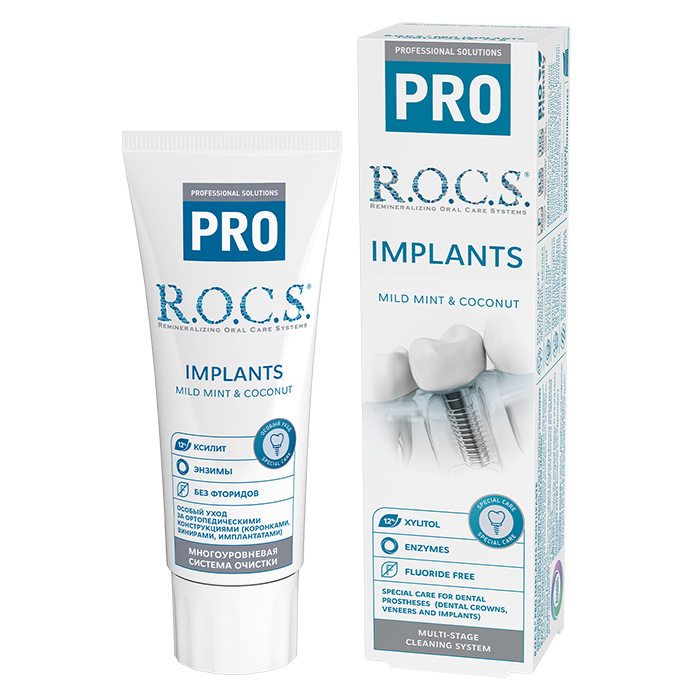
A two-year program of supervised toothbrushing carried out in schools on children aged 6-7 using R.O.C.S. (Re-mineralizing Oral Care System) toothpastes has shown very effective results in reducing the OHI-S index scores by 53-57%, the GI index scores by 57-73% and the 2-year DMFT scores by 29-32%. Remineralizing toothpastes with-out fluorine, containing 500 ppm AmF or 1000 ppm NaF, were as effective in terms of improving the oral health of the schoolchildren.
Aqua, Glycerin, Silica, Xylitol, Xanthan Gum, Calcium Glyceropospate, Cocamidopropyl Betaine, Sodium Lauroyl Sarcosinate, Aroma, Lonicera Caprifolium Extract, Lonicera Japonica Extract, Bromelain, Taurine, Sodium Benzoate, Sodium Saccharin, Magnesium Chloride, O-Cymen-5-ol.
Brush twice a day (morning and evening). Recommended toothbrushing time is 2-3 minutes.
Suitable for all ages, with no time restrictions on use.

R.O.C.S. SENSITIVE Repair & Whitening toothpaste's unique cleaning system with macrogranules whitens and adds shine to teeth without increasing their sensitivity. With low abrasivity for both dentin and enamel, it delivers excellent cleaning power (PCR=80) and is suitable for long-term daily use.
Whitening of sensitive teeth.
A white toothpaste with blue granules. Contains a natural lemon balm flavoring.
* Russian Abrasivity Index reflects the cleaning capacity level of oral care products and polishing pastes. Products with a higher RIA value have enhanced cleaning properties, but are also a risk factor for the development of non-carious dental lesions, therefore the choice of toothpaste should be guided by the condition of the hard dental tissues.
The DRC group of companies, in collaboration with the Institute of Digital Dentistry of the RUDN Medical Institute, has developed and is implementing a new toothpaste abrasivity measurement standard in Russia that meets the highest requirements: safety, accuracy, reproducibility. Принято. This methodology is an alternative to the RDA measurement method and offers a number of advantages. Its effectiveness has been confirmed by a large-scale experimental and clinical study involving 534 patients.
The methodology is based on a rotary machine and digital technologies developed by a research group of dentists, physicists, and digital modeling specialists. QLF diagnostics, intraoral scanning, and digital analysis were used in the work, which made it possible to obtain objective data on tooth wear and the influence of abrasivity over time.
More detailed information on the Russian Abrasivity Index (RIA)Toothpaste based on hydroxyapatite and calcium glycerophosphate has been proven to reduce dentin hypersensitivity and whiten teeth by an average of 1.5 shades after 1 month of use:
The aim of the study was to evaluate the effectiveness of a non-abrasive toothpaste containing hydroxyapatite particles and calcium glycerophosphate in patients with dentin hypersensitivity.
The study included 89 patients (26 men and 63 women) aged 20–65 years who presented to the clinic with complaints of tooth pain sensitivity. The patients were divided into two groups:
Fig. 1. Cold air stimulus
Fig. 2. Probing with a dental probe
Daily use (for one month) of R.O.C.S. Sensitive Instant Relief toothpaste containing hydroxyapatite and calcium glycerophosphate in combination with a soft toothbrush leads to a statistically significant (p=0.001) reduction in pain sensitivity scores in response to a cold stimulus. The results obtained with this type of treatment are similar to those of a treatment regimen that includes four applications of fluoride varnish at three-day intervals.
The aim of this study was to evaluate the effectiveness of a toothpaste based on calcium hydroxyapatite, silica, and calcium glycerophosphate in reducing dentin hypersensitivity caused by the loss of hard dental tissues (erosion, wedge-shaped defects, microfractures, chips, abrasion, etc.).
The study group included 30 people aged 20 to 56 years with pronounced symptoms of tooth sensitivity and enamel integrity defects.
The subjects used R.O.C.S. SENSITIVE REPAIR & WHITENING toothpaste daily for one month. The level of dentin hypersensitivity was determined by an instrumental method (YeapleProbes device) and subjectively (Schiff scale). Tooth color was determined using a VITA Easyshade Compact spectrophotometer (VITA Zahnfabrik, Germany). The parameters were recorded at baseline and after 4 weeks.
Fig. 1. Upper jaw
Fig. 2. Lower jaw
Fig. 3. Upper jaw
Fig. 4. Lower jaw
During the use of the test toothpaste, a significant improvement in the studied parameters of the hard dental tissues was recorded in all subjects. The toothpaste based on mineral components (hydroxyapatite and calcium glycerophosphate) demonstrated high clinical effectiveness for patients with hypersensitivity of the hard dental tissues.
The dynamics of instrumental tooth color recording before and after the use of the test toothpaste and the subjective impressions of patients showed that, in addition to reducing sensitivity, the use of this toothpaste improves the color of the tooth enamel.
R.O.C.S. toothpaste with active minerals (calcium glycerophosphate + magnesium chloride) and xylitol saturates enamel with minerals and increases caries resistance and the rate of tooth remineralization:
The study found that R.O.C.S. toothpaste containing sources of calcium, phosphate, and magnesium, without fluoride, enhances caries resistance of teeth no less effectively than a toothpaste containing sodium fluoride at maximum concentrations (1500 ppm F–).
R.O.C.S. toothpaste significantly increases the rate of remineralization of teeth exposed to acid, and, due to its ability to limit plaque growth, allows achieving a good level of oral hygiene within one week of use.
Enamel tunnels are microstructures that curve in an S-shape along the bundles of enamel prisms and extend to the dentin, penetrating it in the form of enamel bridges, where metabolic exchange between the enamel and dentin takes place. On the enamel surface, these tunnels open as enamel pores. X-ray spectral microanalysis and planar spectrograms show that the walls of enamel tunnels and the areas near them contain mainly mineral components (Ca, Ba, Cd, Sr, P, Si, As, C, K, Br, I, Cl), while the lumen contains organic components. It has been established that the mineral component of R.O.C.S. toothpastes actively penetrates through the enamel tunnels into the area of the enamel-dentin junction and the superficial layers of the dentin, exerting a positive effect on the structural and functional caries resistance of teeth.
Confirmation of the prebiotic and anti-adhesive properties of xylitol (normalization of microflora, protection against cariogenic bacteria and Candida fungi):
The high prevalence of caries in young children necessitates the use of therapeutic and preventive products that target the primary etiopathogenetic factor of this disease — pathogenic microflora. This study presents comparative data on the antimicrobial effectiveness of products containing xylitol and chlorhexidine, as well as their effect on the microbiocenosis composition of the dental biofilm.
A total of 30 patients aged 12 to 36 months with early childhood caries (18 boys and 12 girls) were followed for one month. The patients were divided into two equal groups using a blinded method:
It was recommended that the remineralizing gels be applied 4–5 times a day after toothbrushing. All procedures were performed by the patients' parents at home after receiving prior instruction.
At baseline and at the end of the prescribed treatment course, all patients underwent molecular biology testing using multiplex PCR at the NIMSI laboratory.
In group 1, a significant reduction in colonization by cariogenic species was detected, along with a positive effect of the R.O.C.S. Medical Minerals remineralizing gel components on the ratio of cariogenic to resident species, as well as a decrease in the quantity and frequency of detection of certain periodontopathogenic anaerobic bacteria (Table 1). An important positive feature of the change in the dental biofilm microbiocenosis composition in the first group was also the disappearance of Candida fungi.
Examination of the microbial flora of dental plaque in group 2 patients one month after treatment showed only some positive shifts in the ratio of cariogenic to normal flora, and a decrease in the frequency of detection of certain virulent strains. At the same time, the quantity and frequency of detection of representatives of the resident bacterial group — enterococci — decreased. In addition, the detection rate of the yeast-like fungus Candida albicans increased, with a statistically significant rise in the fungal colonization of dental plaque. These data indicate the development of dysbiosis with the use of chlorhexidine.
Table 1. Comparative assessment of changes in the frequency of detection of microbial flora in dental plaque between the two groups after a course of therapy
| Genus, species of bacteria | 0.1% chlorhexidine | R.O.C.S. Medical Minerals with xylitol |
|---|---|---|
| Streptococcus mutans (cariogenic strain) | no change | 45.4% reduction |
| Actinomyces spp. (cariogenic strain) | 33.3% reduction | 44.5% reduction |
| Veillonella parvula (resident) | 24.7% increase | 40.2% increase |
| Porphyromonas gingivalis (periodontopathogen) | 66.5% reduction | no change |
| Prevotella melaninogenica (virulent strain) | 20% increase | 44.5% reduction |
| Fusobacterium nucleatum (periodontopathogen) | 4.8-fold increase | 33.5% reduction |
| Candida albicans (fungus, pathogen) | 49.8% increase | complete disappearance |
A clinical examination after one month showed no new carious cavities or demineralization foci in group 1 patients; existing chalky spots regained their luster; the progression of carious defects was halted; and signs of catarrhal gingivitis disappeared.
During the clinical examination of group 2 patients, no new carious cavities were recorded either; the disappearance of catarrhal gingivitis signs was observed in 80% of patients (of those who had it at baseline).
The inclusion of both xylitol and chlorhexidine as antimicrobial therapy in the comprehensive treatment plan for early childhood caries leads to a reduction in the detection frequency and colonization level of cariogenic and periodontopathogenic flora in dental plaque.
The data presented indicate a more physiological action of xylitol; it has a positive effect on the microbiocenosis composition of the dental biofilm, normalizing the qualitative (species) composition and the quantitative bacterial load of both cariogenic and stabilizing resident species.
Very few substances are known today that can significantly affect the caries-causing environment in the mouth and reduce the risk of tooth decay. One of the most widely studied substances with an anti-caries effect is xylitol. However, the antibacterial mechanism of xylitol is not fully understood. This study provides data confirming xylitol's ability to significantly inhibit the adhesion of oral streptococci, the primary formers of dental plaque. These bacteria delay the development of caries- and periodontal disease-causing bacteria on tooth surfaces through a mechanism called co-adhesion. We also revealed the ability of xylitol to inhibit the adhesion of Streptococcus sobrinus, a microorganism associated with caries, and Staphylococcus aureus, which increases the virulence level of dental plaque. This mechanism of action is realised in toothpaste within the time period traditionally recommended for brushing teeth.
Aqua, Silica, Glycerin, Sorbitol, Xylitol, Hydroxyapatite, Xanthan Gum, Aroma, Calcium Glycerophosphate, Cocamidopropyl Betaine, Sodium Lauroyl Sarcosinate, Hydroxyacetophenone, Sodium Benzoate, Sodium Saccharine, Magnesium Chloride, Sodium Methylparaben, Sodium Propylparaben, O-cymen-5-ol, CI 74160, Limonene.
Use twice a day (morning and evening) with a soft toothbrush. Recommended toothbrushing time is 2-3 minutes.
Suitable for all ages, with no time restrictions on use.
The unique formula of R.O.C.S. Sensation Whitening toothpaste is built on a multi-step cleaning system: a proteolytic enzyme softens dental plaque, while specially designed cleansing granules help remove it and provide gentle enamel polishing in the final stage of brushing.
The mineral components of the complex strengthen tooth enamel. Through natural remineralization, teeth take on a lighter shade and a healthier look.
A cream-colored toothpaste with white granules and a mild, refreshing flavor. The color may range from cream to brown due to its plant-based ingredients. Contains no artificial colorants.
* Russian Abrasivity Index reflects the cleaning capacity level of oral care products and polishing pastes. Products with a higher RIA value have enhanced cleaning properties, but are also a risk factor for the development of non-carious dental lesions, therefore the choice of toothpaste should be guided by the condition of the hard dental tissues.
The DRC group of companies, in collaboration with the Institute of Digital Dentistry of the RUDN Medical Institute, has developed and is implementing a new toothpaste abrasivity measurement standard in Russia that meets the highest requirements: safety, accuracy, reproducibility. Принято. This methodology is an alternative to the RDA measurement method and offers a number of advantages. Its effectiveness has been confirmed by a large-scale experimental and clinical study involving 534 patients.
The methodology is based on a rotary machine and digital technologies developed by a research group of dentists, physicists, and digital modeling specialists. QLF diagnostics, intraoral scanning, and digital analysis were used in the work, which made it possible to obtain objective data on tooth wear and the influence of abrasivity over time.
More detailed information on the Russian Abrasivity Index (RIA)Confirmation of the toothpaste's whitening properties:
In a study group of 25 people aged 25–43 years, after one week of using a toothpaste sample with the following composition: bromelain, xylitol, calcium glycerophosphate, and silica-based cleansing granules, enamel lightening amounted to 1.54 shades on the VITA CLASSICAL scale and 1.32 shades as measured with the VITA EASYSHADE spectrophotometer.
The study presents a comparative characterization of the whitening effectiveness of three toothpastes containing various active components that contribute to enamel lightening. The approach to selecting hygiene products for achieving a tooth whitening effect is substantiated.
The study involved 75 people aged 18–45 years with no inflammatory periodontal diseases in the acute stage and no contraindications to tooth whitening. All participants were issued toothpastes in identical tubes with sequential numbering, and their individual oral hygiene skills were checked. The assigned toothpaste was to be used for toothbrushing twice a day.
Depending on the toothpaste received, the subjects were divided into three equal groups of 25 people each:
The comparison of the whitening effectiveness of the toothpastes was carried out after 28 days of clinical observation (Table 1). The primary endpoint was the color reduction amplitude of the anterior teeth group, assessed using an instrumental method with the VITA Easyshade™ spectrophotometer (VITA Zahnfabrik, Germany).
Table 1. Color change in the anterior teeth group after 28 days
| Group | Mean color reduction per group |
|---|---|
| R.O.C.S. with MINERALIN complex | 1.69 ± 0.22 |
| Rembrandt Plus | 1.59 ± 0.23 |
| Blend-a-Med 3D White | 1.72 ± 0.23 |
No statistically significant difference was found between the groups. Therefore, the effectiveness of the whitening agents in the three samples is similar.
During the statistical processing of the results, a group of patients with previously whitened teeth was identified. The use of whitening toothpastes in this study did not reveal any positive dynamics in tooth lightening in these patients, but it stabilized the result previously obtained from professional whitening.
An indirect indicator of the safety of whitening toothpastes is the occurrence of hard tissue sensitivity. In groups 1 and 3, sensitivity was observed in 8% of subjects, while in group 2 it was observed in 28% of subjects.
In addition to the lightening effect, specialized toothpastes should have standard cleansing properties. With initially similar baseline levels, over 4 weeks the OHI-s index reduction in all groups was 44–45% from baseline.
The inclusion of proteolytic enzymes as an active component in toothpaste makes it possible to achieve a lightening result similar to that obtained with an abrasive-polishing toothpaste.
Bromelain toothpaste has been proven to reduce bacterial adhesion and, as a result, slow the rate of dental plaque formation:
The present study aimed to evaluate the effect of R.O.C.S. enzyme-containing toothpaste with bromelain and xylitol on the adhesion of microorganisms in the human oral cavity. A positive control was created using R.O.C.S. toothpaste with xylitol, but without the enzyme.
Anti-adhesive activity was studied using a culture of human embryonic musculocutaneous fibroblasts.
The test microorganism cultures were clinical strains of microorganisms isolated from the oral cavities of volunteers: Staphylococcus aureus, Streptococcus salivarius, Streptococcus sanguis and Streptococcus sobrinus.
A sample of the toothpaste at a dilution of 1:20,000 (in the presence of 50% human serum) and a culture of the test strain at a dose of 10⁸ KOU/ml were added to the cell culture and incubated at 37 °C. After incubation, the monolayer cells were washed to remove unattached bacteria by repeatedly changing the Eagle's medium. The cells were then fixed with ethyl alcohol, stained with Romanowsky-Giemsa, and examined under a microscope.
The degree of microbial adhesion was determined by the microbial load relative to the control, which was taken as 100%.
The study was carried out using the blind method. All studies were carried out three times.
After three minutes of incubation, which corresponds to the duration of normal tooth brushing, the suppression of adhesion was as follows:
However, when the exposure time was increased to 2 hours, the anti-adhesive efficacy decreased significantly. This seems to be due to the adhesion becoming reversible shortly after the strains were introduced into the model system, as adhesion usually becomes irreversible after 1–2 hours.
Fig. 1. Control fibroblast cells
Fig. 2. Cells + Str. salivarius
Fig. 3. Cells + S. salivarius + bromelain paste
(exposure 2h.)
Fig. 4. Cells + Str.salivarius + paste with bromelain
(exposure 3 min.)
Anti-inflammatory activity of bromelain:
Toothpastes containing antiseptic substances such as triclosan, chlorhexidine, aluminium and zinc salts are among the hygiene products capable of inhibiting plaque formation. However, their high antimicrobial activity can lead to oral dysbacteriosis with long-term use, reducing the effectiveness of treatment. An alternative are hygiene products whose antimicrobial action is realised due to enzyme-containing components.
Over a period of two months, 40 patients, aged 18–36 years and of both sexes, with chronic catarrhal gingivitis were examined. The patients were randomly divided into two groups:
Within each group, two subgroups were identified according to the toothbrush used:
The toothpaste studies were conducted using a double-blind method. Repeated examinations, including an assessment of indices and diagnostic tests, were carried out after one and two weeks and again after one and two months.
Following the initial visual examination and calculation of the indices, it was found that acute and chronic catarrhal gingivitis of a mild degree were predominant in both groups.
As early as the 14th day of the study, PMA index values decreased from 29.5% to 2% and 1.5% in subgroups A and B, respectively. In group 2, the index values decreased to 3% and 2% (see Fig. 4). The best results in subgroup B were due to the use of a soft toothbrush.
Bleeding disappeared in all subjects, indicating the achievement of an anti-inflammatory effect in periodontal tissues (Fig. 3).
Fig. 1. Level of oral hygiene
Fig. 2. Amount of plaque in the gingival region
Fig. 3. Bleeding index
Fig. 4. Gingivitis severity score
The study of the effect of enzyme-containing toothpastes on the initial forms of inflammatory periodontal diseases, characterised by an increased tendency to plaque formation, confirmed their high efficiency.
With regular brushing using a soft brush, a pronounced anti-inflammatory effect on the periodontium was observed within a week.
After two weeks of using R.O.C.S. toothpaste, significant improvements in oral hygiene and a pronounced anti-inflammatory effect were observed, as evaluated by hygiene indices and PMA.
At the follow-up examination after two months, no deterioration in the results was observed in either group.
No cases of local irritation or allergic reactions to the oral mucosa were recorded during the entire application period.
Confirmation of the prebiotic and anti-adhesive properties of xylitol (normalization of microflora, protection against cariogenic bacteria and Candida fungi):
The high prevalence of caries in young children necessitates the use of therapeutic and preventive products that target the primary etiopathogenetic factor of this disease — pathogenic microflora. This study presents comparative data on the antimicrobial effectiveness of products containing xylitol and chlorhexidine, as well as their effect on the microbiocenosis composition of the dental biofilm.
A total of 30 patients aged 12 to 36 months with early childhood caries (18 boys and 12 girls) were followed for one month. The patients were divided into two equal groups using a blinded method:
It was recommended that the remineralizing gels be applied 4–5 times a day after toothbrushing. All procedures were performed by the patients' parents at home after receiving prior instruction.
At baseline and at the end of the prescribed treatment course, all patients underwent molecular biology testing using multiplex PCR at the NIMSI laboratory.
In group 1, a significant reduction in colonization by cariogenic species was detected, along with a positive effect of the R.O.C.S. Medical Minerals remineralizing gel components on the ratio of cariogenic to resident species, as well as a decrease in the quantity and frequency of detection of certain periodontopathogenic anaerobic bacteria (Table 1). An important positive feature of the change in the dental biofilm microbiocenosis composition in the first group was also the disappearance of Candida fungi.
Examination of the microbial flora of dental plaque in group 2 patients one month after treatment showed only some positive shifts in the ratio of cariogenic to normal flora, and a decrease in the frequency of detection of certain virulent strains. At the same time, the quantity and frequency of detection of representatives of the resident bacterial group — enterococci — decreased. In addition, the detection rate of the yeast-like fungus Candida albicans increased, with a statistically significant rise in the fungal colonization of dental plaque. These data indicate the development of dysbiosis with the use of chlorhexidine.
Table 1. Comparative assessment of changes in the frequency of detection of microbial flora in dental plaque between the two groups after a course of therapy
| Genus, species of bacteria | 0.1% chlorhexidine | R.O.C.S. Medical Minerals with xylitol |
|---|---|---|
| Streptococcus mutans (cariogenic strain) | no change | 45.4% reduction |
| Actinomyces spp. (cariogenic strain) | 33.3% reduction | 44.5% reduction |
| Veillonella parvula (resident) | 24.7% increase | 40.2% increase |
| Porphyromonas gingivalis (periodontopathogen) | 66.5% reduction | no change |
| Prevotella melaninogenica (virulent strain) | 20% increase | 44.5% reduction |
| Fusobacterium nucleatum (periodontopathogen) | 4.8-fold increase | 33.5% reduction |
| Candida albicans (fungus, pathogen) | 49.8% increase | complete disappearance |
A clinical examination after one month showed no new carious cavities or demineralization foci in group 1 patients; existing chalky spots regained their luster; the progression of carious defects was halted; and signs of catarrhal gingivitis disappeared.
During the clinical examination of group 2 patients, no new carious cavities were recorded either; the disappearance of catarrhal gingivitis signs was observed in 80% of patients (of those who had it at baseline).
The inclusion of both xylitol and chlorhexidine as antimicrobial therapy in the comprehensive treatment plan for early childhood caries leads to a reduction in the detection frequency and colonization level of cariogenic and periodontopathogenic flora in dental plaque.
The data presented indicate a more physiological action of xylitol; it has a positive effect on the microbiocenosis composition of the dental biofilm, normalizing the qualitative (species) composition and the quantitative bacterial load of both cariogenic and stabilizing resident species.
Very few substances are known today that can significantly affect the caries-causing environment in the mouth and reduce the risk of tooth decay. One of the most widely studied substances with an anti-caries effect is xylitol. However, the antibacterial mechanism of xylitol is not fully understood. This study provides data confirming xylitol's ability to significantly inhibit the adhesion of oral streptococci, the primary formers of dental plaque. These bacteria delay the development of caries- and periodontal disease-causing bacteria on tooth surfaces through a mechanism called co-adhesion. We also revealed the ability of xylitol to inhibit the adhesion of Streptococcus sobrinus, a microorganism associated with caries, and Staphylococcus aureus, which increases the virulence level of dental plaque. This mechanism of action is realised in toothpaste within the time period traditionally recommended for brushing teeth.
A long-term study confirming the anti-caries effect of R.O.C.S. toothpaste with xylitol and active minerals (calcium glycerophosphate + magnesium chloride):
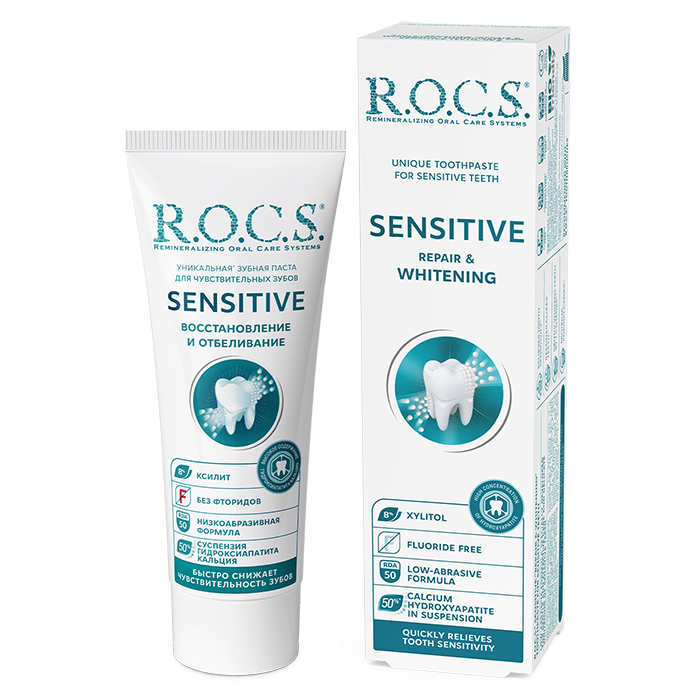
A two-year program of supervised toothbrushing carried out in schools on children aged 6-7 using R.O.C.S. (Re-mineralizing Oral Care System) toothpastes has shown very effective results in reducing the OHI-S index scores by 53-57%, the GI index scores by 57-73% and the 2-year DMFT scores by 29-32%. Remineralizing toothpastes with-out fluorine, containing 500 ppm AmF or 1000 ppm NaF, were as effective in terms of improving the oral health of the schoolchildren.
Sorbitol, Silica, Glycerin, Aqua, Xylitol, Cocamidopropyl Betaine, Aroma, Xanthan Gum, Calcium Glycerophosphate, Bromelain, Sodium Benzoate, Magnesium Chloride, Sodium Saccharin, O-Cymen-5-ol.
Use twice a day (morning and evening). Recommended toothbrushing time is 2-3 minutes.
To enhance the whitening effect, use together with the R.O.C.S. PRO WHITENING toothbrush.
Suitable for regular oral care, with no time restrictions on use.

The unique formula of R.O.C.S. BLACK EDITION toothpaste delivers effective teeth cleaning through its plaque control system. Charcoal — a natural, safe pigment — acts as an indicator, tinting any plaque that hasn't been fully removed. It also tends to make people brush for the full three minutes. That's enough time for the proteolytic enzyme to break down the protein component of dental plaque, which helps clean teeth and gums more effectively.
The mineral components of the complex strengthen tooth enamel. Through natural remineralization, teeth take on a lighter shade and a healthier look.
A black toothpaste with a classic mint flavor.
Confirmation of the toothpaste's whitening properties:
The study presents a comparative characterization of the whitening effectiveness of three toothpastes containing various active components that contribute to enamel lightening. The approach to selecting hygiene products for achieving a tooth whitening effect is substantiated.
The study involved 75 people aged 18–45 years with no inflammatory periodontal diseases in the acute stage and no contraindications to tooth whitening. All participants were issued toothpastes in identical tubes with sequential numbering, and their individual oral hygiene skills were checked. The assigned toothpaste was to be used for toothbrushing twice a day.
Depending on the toothpaste received, the subjects were divided into three equal groups of 25 people each:
The comparison of the whitening effectiveness of the toothpastes was carried out after 28 days of clinical observation (Table 1). The primary endpoint was the color reduction amplitude of the anterior teeth group, assessed using an instrumental method with the VITA Easyshade™ spectrophotometer (VITA Zahnfabrik, Germany).
Table 1. Color change in the anterior teeth group after 28 days
| Group | Mean color reduction per group |
|---|---|
| R.O.C.S. with MINERALIN complex | 1.69 ± 0.22 |
| Rembrandt Plus | 1.59 ± 0.23 |
| Blend-a-Med 3D White | 1.72 ± 0.23 |
No statistically significant difference was found between the groups. Therefore, the effectiveness of the whitening agents in the three samples is similar.
During the statistical processing of the results, a group of patients with previously whitened teeth was identified. The use of whitening toothpastes in this study did not reveal any positive dynamics in tooth lightening in these patients, but it stabilized the result previously obtained from professional whitening.
An indirect indicator of the safety of whitening toothpastes is the occurrence of hard tissue sensitivity. In groups 1 and 3, sensitivity was observed in 8% of subjects, while in group 2 it was observed in 28% of subjects.
In addition to the lightening effect, specialized toothpastes should have standard cleansing properties. With initially similar baseline levels, over 4 weeks the OHI-s index reduction in all groups was 44–45% from baseline.
The inclusion of proteolytic enzymes as an active component in toothpaste makes it possible to achieve a lightening result similar to that obtained with an abrasive-polishing toothpaste.
Bromelain toothpaste has been proven to reduce bacterial adhesion and, as a result, slow the rate of dental plaque formation:
The present study aimed to evaluate the effect of R.O.C.S. enzyme-containing toothpaste with bromelain and xylitol on the adhesion of microorganisms in the human oral cavity. A positive control was created using R.O.C.S. toothpaste with xylitol, but without the enzyme.
Anti-adhesive activity was studied using a culture of human embryonic musculocutaneous fibroblasts.
The test microorganism cultures were clinical strains of microorganisms isolated from the oral cavities of volunteers: Staphylococcus aureus, Streptococcus salivarius, Streptococcus sanguis and Streptococcus sobrinus.
A sample of the toothpaste at a dilution of 1:20,000 (in the presence of 50% human serum) and a culture of the test strain at a dose of 10⁸ KOU/ml were added to the cell culture and incubated at 37 °C. After incubation, the monolayer cells were washed to remove unattached bacteria by repeatedly changing the Eagle's medium. The cells were then fixed with ethyl alcohol, stained with Romanowsky-Giemsa, and examined under a microscope.
The degree of microbial adhesion was determined by the microbial load relative to the control, which was taken as 100%.
The study was carried out using the blind method. All studies were carried out three times.
After three minutes of incubation, which corresponds to the duration of normal tooth brushing, the suppression of adhesion was as follows:
However, when the exposure time was increased to 2 hours, the anti-adhesive efficacy decreased significantly. This seems to be due to the adhesion becoming reversible shortly after the strains were introduced into the model system, as adhesion usually becomes irreversible after 1–2 hours.
Fig. 1. Control fibroblast cells
Fig. 2. Cells + Str. salivarius
Fig. 3. Cells + S. salivarius + bromelain paste
(exposure 2h.)
Fig. 4. Cells + Str.salivarius + paste with bromelain
(exposure 3 min.)
Anti-inflammatory activity of bromelain:
Toothpastes containing antiseptic substances such as triclosan, chlorhexidine, aluminium and zinc salts are among the hygiene products capable of inhibiting plaque formation. However, their high antimicrobial activity can lead to oral dysbacteriosis with long-term use, reducing the effectiveness of treatment. An alternative are hygiene products whose antimicrobial action is realised due to enzyme-containing components.
Over a period of two months, 40 patients, aged 18–36 years and of both sexes, with chronic catarrhal gingivitis were examined. The patients were randomly divided into two groups:
Within each group, two subgroups were identified according to the toothbrush used:
The toothpaste studies were conducted using a double-blind method. Repeated examinations, including an assessment of indices and diagnostic tests, were carried out after one and two weeks and again after one and two months.
Following the initial visual examination and calculation of the indices, it was found that acute and chronic catarrhal gingivitis of a mild degree were predominant in both groups.
As early as the 14th day of the study, PMA index values decreased from 29.5% to 2% and 1.5% in subgroups A and B, respectively. In group 2, the index values decreased to 3% and 2% (see Fig. 4). The best results in subgroup B were due to the use of a soft toothbrush.
Bleeding disappeared in all subjects, indicating the achievement of an anti-inflammatory effect in periodontal tissues (Fig. 3).
Fig. 1. Level of oral hygiene
Fig. 2. Amount of plaque in the gingival region
Fig. 3. Bleeding index
Fig. 4. Gingivitis severity score
The study of the effect of enzyme-containing toothpastes on the initial forms of inflammatory periodontal diseases, characterised by an increased tendency to plaque formation, confirmed their high efficiency.
With regular brushing using a soft brush, a pronounced anti-inflammatory effect on the periodontium was observed within a week.
After two weeks of using R.O.C.S. toothpaste, significant improvements in oral hygiene and a pronounced anti-inflammatory effect were observed, as evaluated by hygiene indices and PMA.
At the follow-up examination after two months, no deterioration in the results was observed in either group.
No cases of local irritation or allergic reactions to the oral mucosa were recorded during the entire application period.
Confirmation of the prebiotic and anti-adhesive properties of xylitol (normalization of microflora, protection against cariogenic bacteria and Candida fungi):
The high prevalence of caries in young children necessitates the use of therapeutic and preventive products that target the primary etiopathogenetic factor of this disease — pathogenic microflora. This study presents comparative data on the antimicrobial effectiveness of products containing xylitol and chlorhexidine, as well as their effect on the microbiocenosis composition of the dental biofilm.
A total of 30 patients aged 12 to 36 months with early childhood caries (18 boys and 12 girls) were followed for one month. The patients were divided into two equal groups using a blinded method:
It was recommended that the remineralizing gels be applied 4–5 times a day after toothbrushing. All procedures were performed by the patients' parents at home after receiving prior instruction.
At baseline and at the end of the prescribed treatment course, all patients underwent molecular biology testing using multiplex PCR at the NIMSI laboratory.
In group 1, a significant reduction in colonization by cariogenic species was detected, along with a positive effect of the R.O.C.S. Medical Minerals remineralizing gel components on the ratio of cariogenic to resident species, as well as a decrease in the quantity and frequency of detection of certain periodontopathogenic anaerobic bacteria (Table 1). An important positive feature of the change in the dental biofilm microbiocenosis composition in the first group was also the disappearance of Candida fungi.
Examination of the microbial flora of dental plaque in group 2 patients one month after treatment showed only some positive shifts in the ratio of cariogenic to normal flora, and a decrease in the frequency of detection of certain virulent strains. At the same time, the quantity and frequency of detection of representatives of the resident bacterial group — enterococci — decreased. In addition, the detection rate of the yeast-like fungus Candida albicans increased, with a statistically significant rise in the fungal colonization of dental plaque. These data indicate the development of dysbiosis with the use of chlorhexidine.
Table 1. Comparative assessment of changes in the frequency of detection of microbial flora in dental plaque between the two groups after a course of therapy
| Genus, species of bacteria | 0.1% chlorhexidine | R.O.C.S. Medical Minerals with xylitol |
|---|---|---|
| Streptococcus mutans (cariogenic strain) | no change | 45.4% reduction |
| Actinomyces spp. (cariogenic strain) | 33.3% reduction | 44.5% reduction |
| Veillonella parvula (resident) | 24.7% increase | 40.2% increase |
| Porphyromonas gingivalis (periodontopathogen) | 66.5% reduction | no change |
| Prevotella melaninogenica (virulent strain) | 20% increase | 44.5% reduction |
| Fusobacterium nucleatum (periodontopathogen) | 4.8-fold increase | 33.5% reduction |
| Candida albicans (fungus, pathogen) | 49.8% increase | complete disappearance |
A clinical examination after one month showed no new carious cavities or demineralization foci in group 1 patients; existing chalky spots regained their luster; the progression of carious defects was halted; and signs of catarrhal gingivitis disappeared.
During the clinical examination of group 2 patients, no new carious cavities were recorded either; the disappearance of catarrhal gingivitis signs was observed in 80% of patients (of those who had it at baseline).
The inclusion of both xylitol and chlorhexidine as antimicrobial therapy in the comprehensive treatment plan for early childhood caries leads to a reduction in the detection frequency and colonization level of cariogenic and periodontopathogenic flora in dental plaque.
The data presented indicate a more physiological action of xylitol; it has a positive effect on the microbiocenosis composition of the dental biofilm, normalizing the qualitative (species) composition and the quantitative bacterial load of both cariogenic and stabilizing resident species.
Very few substances are known today that can significantly affect the caries-causing environment in the mouth and reduce the risk of tooth decay. One of the most widely studied substances with an anti-caries effect is xylitol. However, the antibacterial mechanism of xylitol is not fully understood. This study provides data confirming xylitol's ability to significantly inhibit the adhesion of oral streptococci, the primary formers of dental plaque. These bacteria delay the development of caries- and periodontal disease-causing bacteria on tooth surfaces through a mechanism called co-adhesion. We also revealed the ability of xylitol to inhibit the adhesion of Streptococcus sobrinus, a microorganism associated with caries, and Staphylococcus aureus, which increases the virulence level of dental plaque. This mechanism of action is realised in toothpaste within the time period traditionally recommended for brushing teeth.
A long-term study confirming the anti-caries effect of R.O.C.S. toothpaste with xylitol and active minerals (calcium glycerophosphate + magnesium chloride):
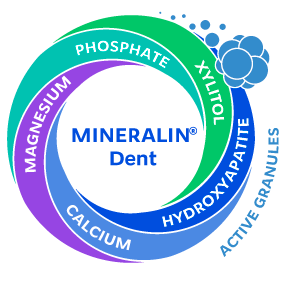
A two-year program of supervised toothbrushing carried out in schools on children aged 6-7 using R.O.C.S. (Re-mineralizing Oral Care System) toothpastes has shown very effective results in reducing the OHI-S index scores by 53-57%, the GI index scores by 57-73% and the 2-year DMFT scores by 29-32%. Remineralizing toothpastes with-out fluorine, containing 500 ppm AmF or 1000 ppm NaF, were as effective in terms of improving the oral health of the schoolchildren.
Aqua, Silica, Glycerin, Xylitol, Cocamidopropyl Betaine, Sodium Lauroyl Sarcosinate, Xanthan Gum, Aroma, Calcium Glycerophosphate, Hydroxyacetophenone, Sodium Benzoate, Bromelain, Potassium Sorbate, Charcoal Powder, Sodium Saccharin, Magnesium Chloride, O-cymen-5-ol, Stevioside, Potassium Hydroxide, Limonene, CI 77499.
Use twice a day (morning and evening). Recommended toothbrushing time is 2-3 minutes.
For best results, use with the R.O.C.S. BLACK EDITION black toothbrush.
Suitable for regular oral care, with no time restrictions on use.

R.O.C.S. iLike Coffee toothpaste contains the patented MINERALIN Detox complex and active cleansing granules.
Regular use of the toothpaste helps remove surface enamel stains and slows the formation of dental plaque and tartar.
A cream-colored toothpaste with a mild, refreshing mint flavor with coffee notes. Contains no artificial colorants.
* Russian Abrasivity Index reflects the cleaning capacity level of oral care products and polishing pastes. Products with a higher RIA value have enhanced cleaning properties, but are also a risk factor for the development of non-carious dental lesions, therefore the choice of toothpaste should be guided by the condition of the hard dental tissues.
The DRC group of companies, in collaboration with the Institute of Digital Dentistry of the RUDN Medical Institute, has developed and is implementing a new toothpaste abrasivity measurement standard in Russia that meets the highest requirements: safety, accuracy, reproducibility. Принято. This methodology is an alternative to the RDA measurement method and offers a number of advantages. Its effectiveness has been confirmed by a large-scale experimental and clinical study involving 534 patients.
The methodology is based on a rotary machine and digital technologies developed by a research group of dentists, physicists, and digital modeling specialists. QLF diagnostics, intraoral scanning, and digital analysis were used in the work, which made it possible to obtain objective data on tooth wear and the influence of abrasivity over time.
More detailed information on the Russian Abrasivity Index (RIA)
Bromelain toothpaste has been proven to reduce bacterial adhesion and, as a result, slow the rate of dental plaque formation:
The present study aimed to evaluate the effect of R.O.C.S. enzyme-containing toothpaste with bromelain and xylitol on the adhesion of microorganisms in the human oral cavity. A positive control was created using R.O.C.S. toothpaste with xylitol, but without the enzyme.
Anti-adhesive activity was studied using a culture of human embryonic musculocutaneous fibroblasts.
The test microorganism cultures were clinical strains of microorganisms isolated from the oral cavities of volunteers: Staphylococcus aureus, Streptococcus salivarius, Streptococcus sanguis and Streptococcus sobrinus.
A sample of the toothpaste at a dilution of 1:20,000 (in the presence of 50% human serum) and a culture of the test strain at a dose of 10⁸ KOU/ml were added to the cell culture and incubated at 37 °C. After incubation, the monolayer cells were washed to remove unattached bacteria by repeatedly changing the Eagle's medium. The cells were then fixed with ethyl alcohol, stained with Romanowsky-Giemsa, and examined under a microscope.
The degree of microbial adhesion was determined by the microbial load relative to the control, which was taken as 100%.
The study was carried out using the blind method. All studies were carried out three times.
After three minutes of incubation, which corresponds to the duration of normal tooth brushing, the suppression of adhesion was as follows:
However, when the exposure time was increased to 2 hours, the anti-adhesive efficacy decreased significantly. This seems to be due to the adhesion becoming reversible shortly after the strains were introduced into the model system, as adhesion usually becomes irreversible after 1–2 hours.
Fig. 1. Control fibroblast cells
Fig. 2. Cells + Str. salivarius
Fig. 3. Cells + S. salivarius + bromelain paste
(exposure 2h.)
Fig. 4. Cells + Str.salivarius + paste with bromelain
(exposure 3 min.)
Anti-inflammatory activity of bromelain:
Toothpastes containing antiseptic substances such as triclosan, chlorhexidine, aluminium and zinc salts are among the hygiene products capable of inhibiting plaque formation. However, their high antimicrobial activity can lead to oral dysbacteriosis with long-term use, reducing the effectiveness of treatment. An alternative are hygiene products whose antimicrobial action is realised due to enzyme-containing components.
Over a period of two months, 40 patients, aged 18–36 years and of both sexes, with chronic catarrhal gingivitis were examined. The patients were randomly divided into two groups:
Within each group, two subgroups were identified according to the toothbrush used:
The toothpaste studies were conducted using a double-blind method. Repeated examinations, including an assessment of indices and diagnostic tests, were carried out after one and two weeks and again after one and two months.
Following the initial visual examination and calculation of the indices, it was found that acute and chronic catarrhal gingivitis of a mild degree were predominant in both groups.
As early as the 14th day of the study, PMA index values decreased from 29.5% to 2% and 1.5% in subgroups A and B, respectively. In group 2, the index values decreased to 3% and 2% (see Fig. 4). The best results in subgroup B were due to the use of a soft toothbrush.
Bleeding disappeared in all subjects, indicating the achievement of an anti-inflammatory effect in periodontal tissues (Fig. 3).
Fig. 1. Level of oral hygiene
Fig. 2. Amount of plaque in the gingival region
Fig. 3. Bleeding index
Fig. 4. Gingivitis severity score
The study of the effect of enzyme-containing toothpastes on the initial forms of inflammatory periodontal diseases, characterised by an increased tendency to plaque formation, confirmed their high efficiency.
With regular brushing using a soft brush, a pronounced anti-inflammatory effect on the periodontium was observed within a week.
After two weeks of using R.O.C.S. toothpaste, significant improvements in oral hygiene and a pronounced anti-inflammatory effect were observed, as evaluated by hygiene indices and PMA.
At the follow-up examination after two months, no deterioration in the results was observed in either group.
No cases of local irritation or allergic reactions to the oral mucosa were recorded during the entire application period.
Aqua, Silica, Glycerin, Xylitol, Cocamidopropyl, Betaine, PVP, Aroma, Hydroxyacetophenone, Sodium,Benzoate, Sodium Lauroyl Sarcosinate, Bromelain, Potassium Sorbate, Sodium Saccharin, O-Cymen-5-ol, Limonene, Linalool, Farnesol, Eugenol.
Use twice a day (morning and evening). Recommended toothbrushing time is 2-3 minutes.
Suitable for all ages, with no time restrictions on use.
For better removal of dark plaque, use together with the R.O.C.S. SMOKERS or R.O.C.S. PRO WHITENING toothbrush.