Description
Active ingredients
Properties
Clinical trials
Ingredients
Application
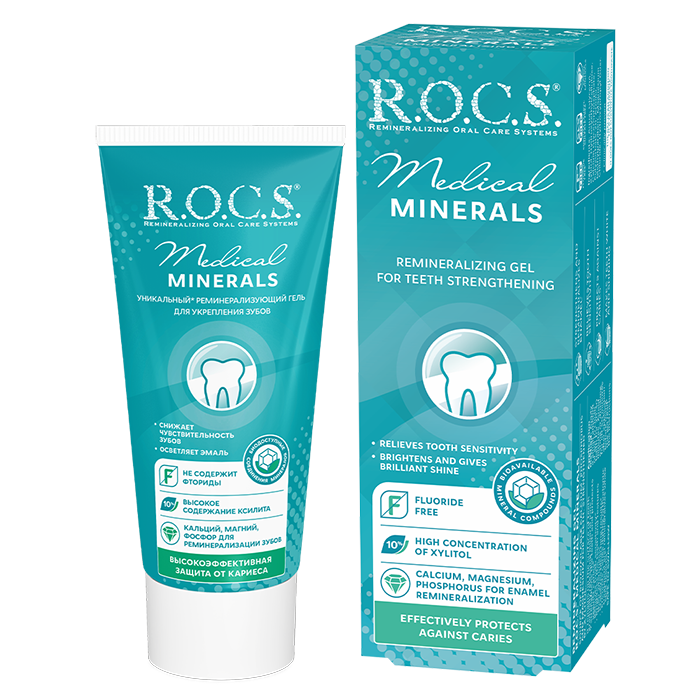
R.O.C.S. Medical Minerals remineralizing gel is a unique development by the WDS Research Laboratory. When it meets saliva, the gel's active components join the natural remineralization process in the hard dental tissues and significantly speed it up.
The gel contains no fluoride, which makes it indispensable for fighting caries in areas of endemic fluorosis and in certain conditions — thyroid disease, osteoporosis, kidney failure and kidney stones, mineral metabolism disorders — where fluoride products are contraindicated.
Safe if swallowed, with no age restrictions.
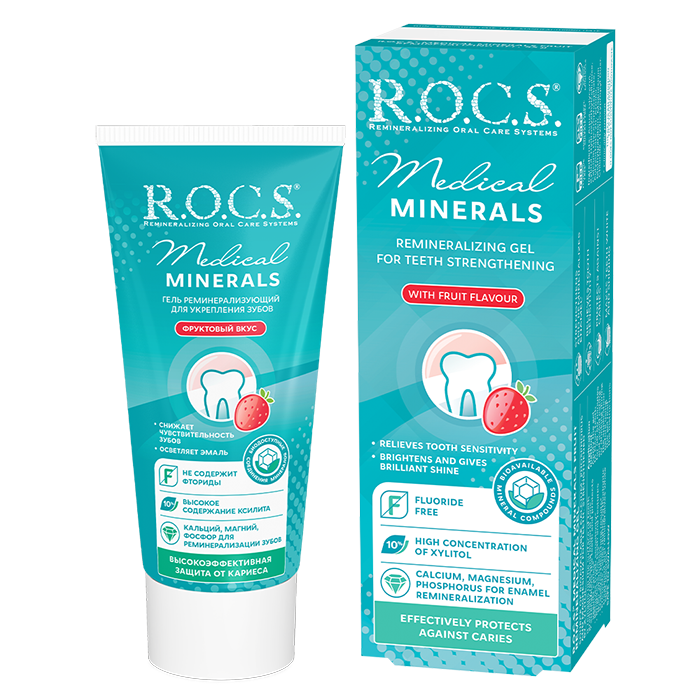
A clear gel. The line comes in 3 flavors: two light flavors for adults (mint and fruit) and a bright strawberry flavor for children and adolescents.
Evidence of the gel's effectiveness for caries at the white spot stage, non-carious enamel lesions, and tooth hypersensitivity:
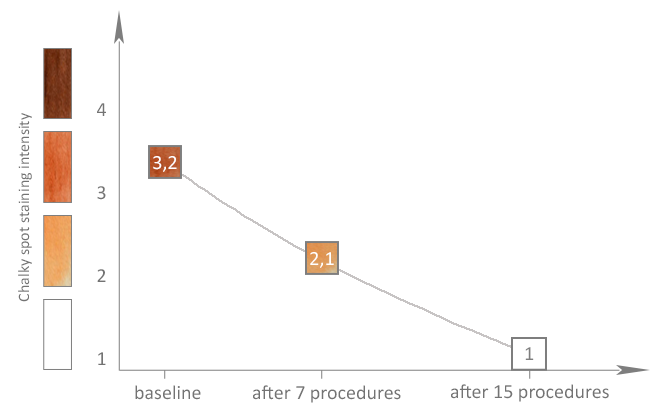
The present work studied the remineralizing effect of R.O.C.S. Medical Minerals in the treatment of initial caries at the chalky spot stage and non-carious lesions such as enamel hypoplasia and hypersensitivity.
Observations were conducted with the participation of 57 patients without significant comorbidities, aged 10–30 years, who were divided into 4 groups according to diagnosis:
Prior to the start of the study, all patients received professional oral hygiene and oral hygiene instruction. At subsequent visits, supervised toothbrushing was performed before applying R.O.C.S. Medical Minerals.
To avoid erroneous data (due to patients' non-compliance with the recommended regimen) and to standardize the experimental conditions, gel applications were performed in a dental clinic setting under the supervision of medical personnel using custom trays. The duration of each procedure was 15 minutes; upon completion of the application, patients expectorated the remaining gel without rinsing the oral cavity. Patients were advised to refrain from eating and drinking for one hour.
A pronounced clinical result was obtained in all observed groups. The remineralization effect was observed both in caries and in the presence of non-carious lesions (Fig. 1, 2).
Fig. 1. In initial caries (staining with 2% methylene blue solution)
Fig. 2. In the spotted (chalky) form of enamel hypoplasia (staining with 5% alcoholic iodine solution)
Already after the second procedure, 82% of patients with hypersensitivity (group 3) reported a reduction in the pain response to stimuli. Among patients in group 4, 93% noted a rapid decrease in the intensity of pain symptoms.
After 8–10 applications of R.O.C.S. Medical Minerals gel, all patients noted tooth lightening and the appearance of luster.
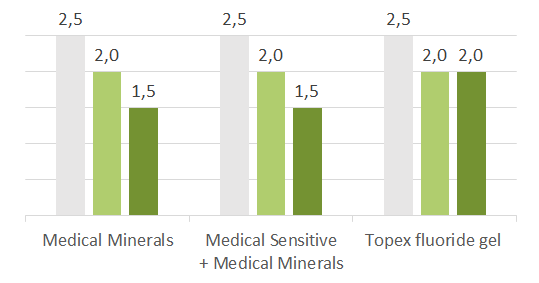
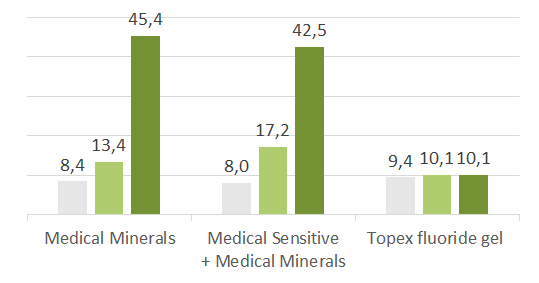
The aim of the study was to evaluate the effectiveness of gels based on mineral components — R.O.C.S. Medical Minerals and R.O.C.S. Medical Sensitive — as well as the fluoride-based Topex gel, in reducing hypersensitivity of teeth with enamel integrity defects (erosion, wedge-shaped defects, cracks, chips, increased wear).
The study involved 90 people aged 23 to 47 years with a history of tooth hypersensitivity and enamel integrity defects.
Depending on the product used, all subjects were divided into three equal groups:
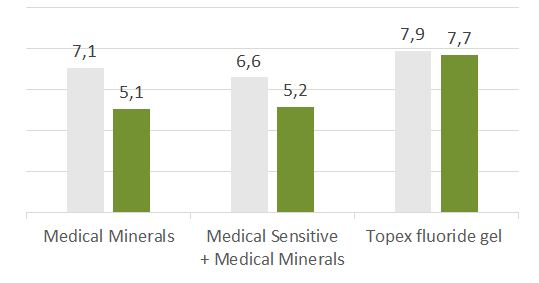
The level of dentin hypersensitivity was determined by an instrumental method (YeapleProbes device) and subjectively (Schiff scale). Tooth color was determined using a VITA Easyshade Compact spectrophotometer (VITA Zahnfabrik, Germany). The parameters were recorded at baseline, after 1 week, and after 4 weeks. Tooth color measurement using the VITA Easyshade Compact spectrophotometer (VITA Zahnfabrik, Germany) was performed only before and after the study.
Fig. 1. Subjective assessment on the Schiff scale
Fig. 2. Pain threshold based on the instrumental recording method
Fig. 3. Mean tooth color parameters based on spectrophotometer readings
The use of R.O.C.S. Medical Minerals gel not only reduces tooth sensitivity in the shortest possible time, but also improves tooth color.
Caries prevention, including in patients with systemic conditions:
The aim of the study was to evaluate the effectiveness of remineralizing therapy using R.O.C.S. Medical Minerals application gel for the prevention of dental caries in children aged 12–13 years. The study involved 180 schoolchildren divided into study and control groups (90 people each). Depending on the degree of caries activity (compensated, subcompensated, decompensated forms), 1 to 3 courses of remineralizing therapy were administered over the course of a year. The results were evaluated after 1 year based on caries increment, OHI-S hygiene index, PMA index, and TER test.
The study involved 180 schoolchildren aged 12–13 years (90 in the study group and 90 in the control group). Depending on caries intensity, 3 observation groups of 30 people each were formed.
The remineralizing therapy regimen depended on the degree of caries activity (according to the method of T.F. Vinogradova):
R.O.C.S. Medical Minerals application gel contains calcium glycerophosphate, magnesium chloride, xylitol, and guar gum. Application technique: the gel was applied to cleaned teeth, a standard polyurethane tray was placed over them, and left for 20 minutes. After removing the tray, the remaining gel was expectorated, and the mouth was not rinsed.
The following parameters were used to evaluate effectiveness: caries intensity (DMFT, DMFT+dmft), OHI-S hygiene index (J.C. Green, J.R. Vermillion, 1964), PMA index (C. Parma, 1960), and the TER test for determining enamel resistance (Okushko V.R., Kosareva L.I., 1983). All procedures were carried out in a school medical office during the school year. The outcome was assessed 1 calendar year after the start of the preventive program.
The use of remineralizing therapy with R.O.C.S. Medical Minerals gel showed a significant reduction in caries increment in all prevention groups compared to the control (p<0.001).
According to the TER test data, enamel acid resistance parameters significantly increased by the end of the remineralizing therapy course. Significant differences were found between the groups with compensated and decompensated caries in terms of hygiene (HI: 1.0 ± 0.01 and 1.56 ± 0.2, respectively) and acid resistance (TER test: 2.55 ± 0.02 and 3.5 ± 0.2, respectively).
The few studies of the oral condition in patients with hemophilia have shown a high level of dental diseases, and dental procedures can provoke hemorrhagic complications. In this regard, the prevention of oral diseases in patients with hemophilia remains a pressing issue.
Study objective: to evaluate the effectiveness of the "R.O.C.S. Medical Minerals" calcium-phosphate gel application regimen for the prevention and treatment of dental caries in patients with hemophilia over a two-year period using a standard application protocol.
A dental examination of the oral cavity in 51 boys, of whom 30 were somatically healthy children and 21 had hemophilia, showed that all patients with hemophilia had dental caries at baseline. The prevalence of dental caries in the control group was 89.4%.
Taking into account the different degrees of caries activity in mild and severe forms of hemophilia, the patients were divided into two groups:
"R.O.C.S. Medical Minerals" gel applications were performed after professional oral hygiene using custom removable trays in an outpatient clinic setting according to the following protocol:
The above-described preventive treatment protocol was not used in the control group.
The reduction in caries increment following preventive measures compared to the control group was determined as a percentage using the formula:
(Mk – M) ÷ Mk × 100% ,
where Mk is the caries increment in the control group, and M is the caries increment in the preventive group.
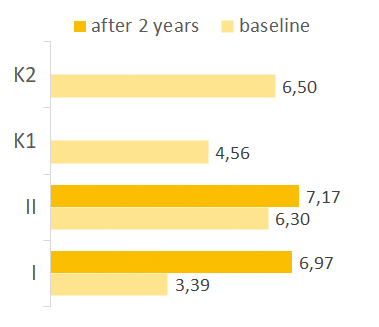
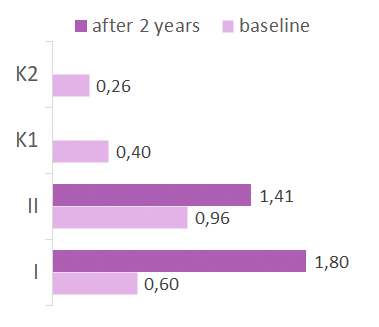
At the baseline assessment of Ca, P, and L-amylase activity in saliva, significant differences compared to the control group were detected only in group II patients (p<0.05) for Ca and L-amylase parameters. Over the course of the calcium-phosphate gel therapy administered in courses over two years, children in groups I and II showed a significant increase in Ca and P concentrations and L-amylase activity in saliva (Fig. 1–3).
Fig. 1. Ca concentration
Fig. 2. P concentration
Fig. 3. L-amylase activity
Oral examination of 21 patients showed that after completing the remineralizing therapy courses, the dental caries increment was reduced by 52.7% compared to the control group (Table 1).
Table 1. Caries intensity in the study and control groups over time
| Hemophilia group | Control group | |
|---|---|---|
| Caries prevalence at the beginning of the study |
100.0% |
89.4% |
| Baseline caries intensity | 9.92 ± 0.82 | 4.02 ± 0.39 |
| Caries intensity at 2 years from the start of the study | 12.23 ± 1.09 | 8.90 ± 0.71 |
| Caries increment | 2.31 | 4.88 |
Administration of R.O.C.S. Medical Minerals gel remineralizing therapy courses over two years in children with hemophilia helps reduce the dental caries increment regardless of the severity of hemophilia and disturbances in the biochemical parameters of oral fluid.
Over the course of the therapy, a positive trend was observed in the calcium and phosphorus concentrations and L-amylase activity in oral fluid in both compensated and decompensated forms of dental caries.
Course-based remineralizing therapy with R.O.C.S. Medical Minerals gel is indicated for both the prevention and treatment of initial forms of dental caries in patients with varying degrees of caries activity.
Evidence of the gel's effectiveness in treating mild fluorosis:
The use of R.O.C.S. Medical Minerals gel as 20-minute applications daily after toothbrushing for 6 months makes it possible to restore structural changes in the enamel and increase the remineralization index by 2.3 points in patients with a mild form of fluorosis.
Fig. 1. Before treatment
Fig. 2. After treatment
Fig. 3. Enamel lesion focus in dental fluorosis
Fig. 4. Enamel surface of a fluorotic tooth after application of R.O.C.S. Medical Minerals gel
The gel has been proven to increase the mineralizing potential of saliva:
The biochemical parameters of oral fluid in preschool children with varying caries intensity were studied (protein content, calcium ion and inorganic phosphate concentrations, Ca/P ratio). The effect of remineralizing therapy using R.O.C.S. Medical Minerals gel was evaluated, after which the concentration of inorganic phosphates and calcium ions, as well as the Ca/P ratio, significantly increased. The amount of protein in the oral fluid increased, but the differences were statistically insignificant. R.O.C.S. Medical Minerals affects the composition of oral fluid, saturating it with calcium ions and inorganic phosphates and enhancing its caries-protective properties. The trend toward an increase in protein after remineralizing therapy helps regulate the level of mineral components in the oral fluid and their uptake into the hard dental tissues.
Using the gel to treat chalky spots after braces removal:
According to the Current Care Guideline on Caries (2014), the carious process is the most common problem in children and adolescents in Finland. Chalky spots on the tooth enamel that appear after orthodontic treatment with fixed appliances represent an initial (reversible) form of dental caries. This study showed that R.O.C.S. Medical Minerals mineral gel, developed for the treatment of chalky spots, is suitable for independent home use and is an effective product when used by patients under the supervision of a dentist and/or dental hygienist.
Evidence of the gel's remineralizing and lightening action and its effectiveness in treating tooth hypersensitivity:
The aim of this study was to evaluate the remineralizing effect of a fluoride-free gel — "R.O.C.S. Medical Minerals" — in comparison with the "Belagel Ca/P" professional remineralizing system containing a mineral complex that includes fluorides.
Two groups of volunteers, 31 people each, used the test formulations according to the following protocols:
All volunteers were instructed and trained in proper dental care, motivated by the need for thorough tooth cleaning to achieve maximum effect when using remineralizing gels. The quality of dental care was monitored at least once every 10–12 days.
During the remineralizing therapy with the test formulations, a significant improvement in all studied parameters of the hard dental tissues was recorded.
In the group using "R.O.C.S. Medical Minerals," tooth mineralization parameters increased by 29% and enamel resistance by 27%, while in the group using "Belagel Ca/P," the increases were 21% and 31%, respectively (Fig. 1, 2). At the same time, alkaline phosphatase activity in the case of R.O.C.S. gel use increased by 51.2%, which is approximately 2.5 times higher than in the second group.
Fig. 1. Remineralization index
Fig. 2. Enamel acid resistance index (TER test)
Among the parameters recorded in this test series was an assessment of tooth color changes (Table 1).
Table 1. Tooth color changes over 4 weeks of using remineralizing formulations.
| R.O.C.S. Medical Minerals | Belagel Ca/P | |
|---|---|---|
| Percentage of patients in whom tooth lightening was observed |
90%
|
38%
|
| Percentage of patients whose color change exceeded 6 shades | 50% | 6% |
| Mean lightening value on the extended VITA scale | 4.74 ± 0.5 | 1.68 ± 0.4 |
Both formulations proved to be effective treatments for tooth hypersensitivity: the mean number of teeth with hypersensitivity (IRGZ index) decreased by 44% during the use of "R.O.C.S. Medical Minerals," and by 37% in the second group. The tooth hypersensitivity intensity index (IIGZ) decreased by 29% and 35%, respectively.
The vast majority of methods aimed at the prevention of dental caries and remineralization of focal demineralization sites are based on the use of fluorides. However, situations arise quite often when the use of fluoride prevention methods is not indicated.
It is well known that fluorides have the ability to increase the acid resistance of tooth enamel; however, the acid resistance of the hard dental tissues depends not only on the fluoride content (which amounts to tenths of a percent) but also on the overall level of mineralization. The main components of tooth enamel are calcium and phosphorus, the incorporation of which into the enamel after eruption is supported by salivary enzymes.
A significant increase in alkaline phosphatase activity was recorded only with the use of "R.O.C.S. Medical Minerals," which contains a direct substrate of this enzyme and magnesium chloride, known as a phosphatase activator. The improvement in the enamel mineralization process against the background of increased salivary phosphatase activity and a decrease in salivary phosphorus content (its more active utilization by tooth tissues was demonstrated) was reflected in the appearance of the teeth when using "R.O.C.S. Medical Minerals." In addition to an increased level of mineralization, this may indicate the predominant formation of apatite crystals, which, apparently, is related to the energetics of the enzymatic cleavage of calcium glycerophosphate and the ratio of calcium and phosphate ions. Simple phosphates precipitate predominantly in the form of other salts (whitlockite, brushite), which explains the lower effectiveness of the "Belagel Ca/P" formulation for improving tooth color.
The confirmed fact of tooth lightening is an extremely important motivating factor for patients to undergo remineralizing therapy. Furthermore, it expands the possibilities of esthetic treatment for individuals with contraindications to traditional whitening: patient age; pregnancy and breastfeeding; allergic reactions to whitening components; systemic diseases, endocrine disorders, bronchial asthma, hypertension; enamel hypersensitivity; the presence of exposed tooth necks, wedge-shaped defects, significant enamel loss due to pathological or age-related wear; acute periodontal diseases; diseases of the oral mucosa.
It is worth noting the convenience of therapeutic and preventive measures using "R.O.C.S. Medical Minerals" gel, since treatment can be carried out both in a dental clinic and at home.
Other mineralization parameters showed no significant differences between the two formulations. The use of remineralizing gels led to a reduction in tooth hypersensitivity, which is evidence of an increased level of mineralization and restoration of phosphorus and calcium content in the circumpulpal and mantle dentin. Both tested products are suitable for local prevention of dental caries and treatment of non-carious dental lesions.
Use of the remineralizing gel in pregnant women:
Pregnant women are at one of the highest risks of developing the main dental diseases — dental caries and inflammatory periodontal diseases.
A prevention program that includes professional oral hygiene, education and motivation for regular oral care, the use of fluoride-free R.O.C.S. toothpaste, a soft toothbrush, R.O.C.S. mouthwash with laminaria extract as individual hygiene products, as well as a course of remineralizing therapy with R.O.C.S. Medical Minerals gel in the second trimester of pregnancy, makes it possible to improve the condition of periodontal tissues and reduce the caries increment in pregnant women by 5.5 times.
Boosting the effectiveness of at-home whitening:
The use of R.O.C.S. Medical Minerals gel (a single 20-minute application after each whitening procedure for 1 month) increased the effectiveness of home tooth whitening by an average of 65%, maintained the achieved result for at least one year, prevented the occurrence of hypersensitivity, and reduced the risk of dental caries by an average of 93%.
Microbiological study of the biofilm after using the gel:
The high prevalence of caries in young children necessitates the use of therapeutic and preventive products that target the primary etiopathogenetic factor of this disease — pathogenic microflora. This study presents comparative data on the antimicrobial effectiveness of products containing xylitol and chlorhexidine, as well as their effect on the microbiocenosis composition of the dental biofilm.
A total of 30 patients aged 12 to 36 months with early childhood caries (18 boys and 12 girls) were followed for one month. The patients were divided into two equal groups using a blinded method:
It was recommended that the remineralizing gels be applied 4–5 times a day after toothbrushing. All procedures were performed by the patients' parents at home after receiving prior instruction.
At baseline and at the end of the prescribed treatment course, all patients underwent molecular biology testing using multiplex PCR at the NIMSI laboratory.
In group 1, a significant reduction in colonization by cariogenic species was detected, along with a positive effect of the R.O.C.S. Medical Minerals remineralizing gel components on the ratio of cariogenic to resident species, as well as a decrease in the quantity and frequency of detection of certain periodontopathogenic anaerobic bacteria (Table 1). An important positive feature of the change in the dental biofilm microbiocenosis composition in the first group was also the disappearance of Candida fungi.
Examination of the microbial flora of dental plaque in group 2 patients one month after treatment showed only some positive shifts in the ratio of cariogenic to normal flora, and a decrease in the frequency of detection of certain virulent strains. At the same time, the quantity and frequency of detection of representatives of the resident bacterial group — enterococci — decreased. In addition, the detection rate of the yeast-like fungus Candida albicans increased, with a statistically significant rise in the fungal colonization of dental plaque. These data indicate the development of dysbiosis with the use of chlorhexidine.
Table 1. Comparative assessment of changes in the frequency of detection of microbial flora in dental plaque between the two groups after a course of therapy
| Genus, species of bacteria | 0.1% chlorhexidine | R.O.C.S. Medical Minerals with xylitol |
|---|---|---|
| Streptococcus mutans (cariogenic strain) | no change | 45.4% reduction |
| Actinomyces spp. (cariogenic strain) | 33.3% reduction | 44.5% reduction |
| Veillonella parvula (resident) | 24.7% increase | 40.2% increase |
| Porphyromonas gingivalis (periodontopathogen) | 66.5% reduction | no change |
| Prevotella melaninogenica (virulent strain) | 20% increase | 44.5% reduction |
| Fusobacterium nucleatum (periodontopathogen) | 4.8-fold increase | 33.5% reduction |
| Candida albicans (fungus, pathogen) | 49.8% increase | complete disappearance |
A clinical examination after one month showed no new carious cavities or demineralization foci in group 1 patients; existing chalky spots regained their luster; the progression of carious defects was halted; and signs of catarrhal gingivitis disappeared.
During the clinical examination of group 2 patients, no new carious cavities were recorded either; the disappearance of catarrhal gingivitis signs was observed in 80% of patients (of those who had it at baseline).
The inclusion of both xylitol and chlorhexidine as antimicrobial therapy in the comprehensive treatment plan for early childhood caries leads to a reduction in the detection frequency and colonization level of cariogenic and periodontopathogenic flora in dental plaque.
The data presented indicate a more physiological action of xylitol; it has a positive effect on the microbiocenosis composition of the dental biofilm, normalizing the qualitative (species) composition and the quantitative bacterial load of both cariogenic and stabilizing resident species.
Anti-adhesive action of xylitol:
Very few substances are known today that can significantly affect the caries-causing environment in the mouth and reduce the risk of tooth decay. One of the most widely studied substances with an anti-caries effect is xylitol. However, the antibacterial mechanism of xylitol is not fully understood. This study provides data confirming xylitol's ability to significantly inhibit the adhesion of oral streptococci, the primary formers of dental plaque. These bacteria delay the development of caries- and periodontal disease-causing bacteria on tooth surfaces through a mechanism called co-adhesion. We also revealed the ability of xylitol to inhibit the adhesion of Streptococcus sobrinus, a microorganism associated with caries, and Staphylococcus aureus, which increases the virulence level of dental plaque. This mechanism of action is realised in toothpaste within the time period traditionally recommended for brushing teeth.
Aqua, Glycerin, Xylitol, Hydroxyethylcellulose, Calcium Glycerophosphate, Polysorbate-20, Aroma, Methylparaben, Magnesium Chloride, Hydroxypropyl Guar.
Apply the gel to your teeth twice a day, then avoid eating and drinking for 30–40 minutes.
The gel is safe if swallowed and has no age or duration-of-use restrictions.
R.O.C.S. Medical Minerals remineralizing gel is a unique development by the WDS Research Laboratory. When it meets saliva, the gel's active components join the natural remineralization process in the hard dental tissues and significantly speed it up.
The gel contains no fluoride, which makes it indispensable for fighting caries in areas of endemic fluorosis and in certain conditions — thyroid disease, osteoporosis, kidney failure and kidney stones, mineral metabolism disorders — where fluoride products are contraindicated.
Safe if swallowed, with no age restrictions.
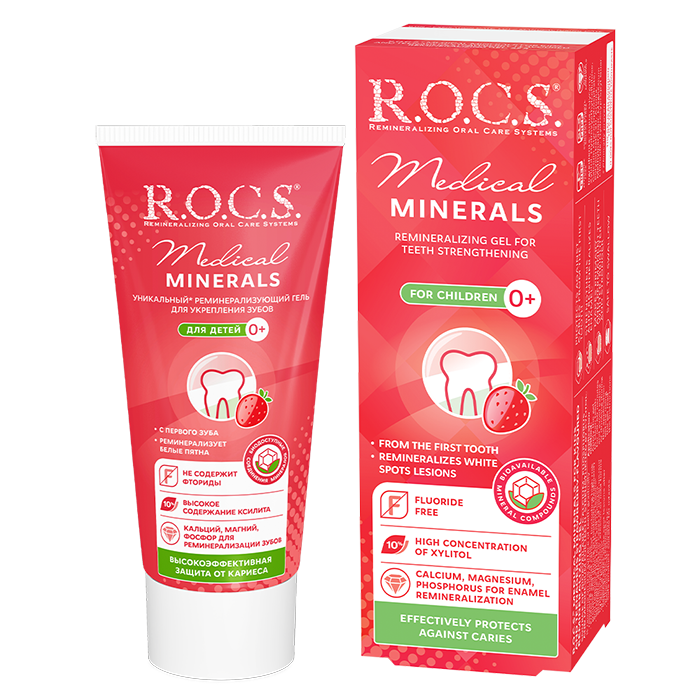
A clear gel. The line comes in 3 flavors: two light flavors for adults (mint and fruit) and a bright strawberry flavor for children and adolescents.
Evidence of the gel's effectiveness for caries at the white spot stage, non-carious enamel lesions, and tooth hypersensitivity:
The present work studied the remineralizing effect of R.O.C.S. Medical Minerals in the treatment of initial caries at the chalky spot stage and non-carious lesions such as enamel hypoplasia and hypersensitivity.
Observations were conducted with the participation of 57 patients without significant comorbidities, aged 10–30 years, who were divided into 4 groups according to diagnosis:
Prior to the start of the study, all patients received professional oral hygiene and oral hygiene instruction. At subsequent visits, supervised toothbrushing was performed before applying R.O.C.S. Medical Minerals.
To avoid erroneous data (due to patients' non-compliance with the recommended regimen) and to standardize the experimental conditions, gel applications were performed in a dental clinic setting under the supervision of medical personnel using custom trays. The duration of each procedure was 15 minutes; upon completion of the application, patients expectorated the remaining gel without rinsing the oral cavity. Patients were advised to refrain from eating and drinking for one hour.
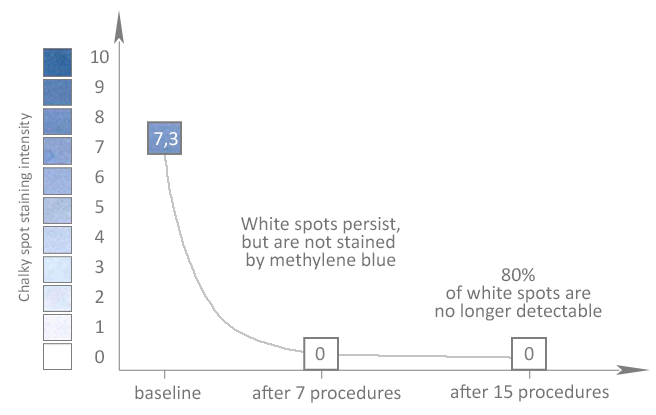
A pronounced clinical result was obtained in all observed groups. The remineralization effect was observed both in caries and in the presence of non-carious lesions (Fig. 1, 2).
Fig. 1. In initial caries (staining with 2% methylene blue solution)
Fig. 2. In the spotted (chalky) form of enamel hypoplasia (staining with 5% alcoholic iodine solution)
Already after the second procedure, 82% of patients with hypersensitivity (group 3) reported a reduction in the pain response to stimuli. Among patients in group 4, 93% noted a rapid decrease in the intensity of pain symptoms.
After 8–10 applications of R.O.C.S. Medical Minerals gel, all patients noted tooth lightening and the appearance of luster.
The aim of the study was to evaluate the effectiveness of gels based on mineral components — R.O.C.S. Medical Minerals and R.O.C.S. Medical Sensitive — as well as the fluoride-based Topex gel, in reducing hypersensitivity of teeth with enamel integrity defects (erosion, wedge-shaped defects, cracks, chips, increased wear).
The study involved 90 people aged 23 to 47 years with a history of tooth hypersensitivity and enamel integrity defects.
Depending on the product used, all subjects were divided into three equal groups:
The level of dentin hypersensitivity was determined by an instrumental method (YeapleProbes device) and subjectively (Schiff scale). Tooth color was determined using a VITA Easyshade Compact spectrophotometer (VITA Zahnfabrik, Germany). The parameters were recorded at baseline, after 1 week, and after 4 weeks. Tooth color measurement using the VITA Easyshade Compact spectrophotometer (VITA Zahnfabrik, Germany) was performed only before and after the study.
Fig. 1. Subjective assessment on the Schiff scale
Fig. 2. Pain threshold based on the instrumental recording method
Fig. 3. Mean tooth color parameters based on spectrophotometer readings
The use of R.O.C.S. Medical Minerals gel not only reduces tooth sensitivity in the shortest possible time, but also improves tooth color.
Caries prevention, including in patients with systemic conditions:
The aim of the study was to evaluate the effectiveness of remineralizing therapy using R.O.C.S. Medical Minerals application gel for the prevention of dental caries in children aged 12–13 years. The study involved 180 schoolchildren divided into study and control groups (90 people each). Depending on the degree of caries activity (compensated, subcompensated, decompensated forms), 1 to 3 courses of remineralizing therapy were administered over the course of a year. The results were evaluated after 1 year based on caries increment, OHI-S hygiene index, PMA index, and TER test.
The study involved 180 schoolchildren aged 12–13 years (90 in the study group and 90 in the control group). Depending on caries intensity, 3 observation groups of 30 people each were formed.
The remineralizing therapy regimen depended on the degree of caries activity (according to the method of T.F. Vinogradova):
R.O.C.S. Medical Minerals application gel contains calcium glycerophosphate, magnesium chloride, xylitol, and guar gum. Application technique: the gel was applied to cleaned teeth, a standard polyurethane tray was placed over them, and left for 20 minutes. After removing the tray, the remaining gel was expectorated, and the mouth was not rinsed.
The following parameters were used to evaluate effectiveness: caries intensity (DMFT, DMFT+dmft), OHI-S hygiene index (J.C. Green, J.R. Vermillion, 1964), PMA index (C. Parma, 1960), and the TER test for determining enamel resistance (Okushko V.R., Kosareva L.I., 1983). All procedures were carried out in a school medical office during the school year. The outcome was assessed 1 calendar year after the start of the preventive program.
The use of remineralizing therapy with R.O.C.S. Medical Minerals gel showed a significant reduction in caries increment in all prevention groups compared to the control (p<0.001).
According to the TER test data, enamel acid resistance parameters significantly increased by the end of the remineralizing therapy course. Significant differences were found between the groups with compensated and decompensated caries in terms of hygiene (HI: 1.0 ± 0.01 and 1.56 ± 0.2, respectively) and acid resistance (TER test: 2.55 ± 0.02 and 3.5 ± 0.2, respectively).
The few studies of the oral condition in patients with hemophilia have shown a high level of dental diseases, and dental procedures can provoke hemorrhagic complications. In this regard, the prevention of oral diseases in patients with hemophilia remains a pressing issue.
Study objective: to evaluate the effectiveness of the "R.O.C.S. Medical Minerals" calcium-phosphate gel application regimen for the prevention and treatment of dental caries in patients with hemophilia over a two-year period using a standard application protocol.
A dental examination of the oral cavity in 51 boys, of whom 30 were somatically healthy children and 21 had hemophilia, showed that all patients with hemophilia had dental caries at baseline. The prevalence of dental caries in the control group was 89.4%.
Taking into account the different degrees of caries activity in mild and severe forms of hemophilia, the patients were divided into two groups:
"R.O.C.S. Medical Minerals" gel applications were performed after professional oral hygiene using custom removable trays in an outpatient clinic setting according to the following protocol:
The above-described preventive treatment protocol was not used in the control group.
The reduction in caries increment following preventive measures compared to the control group was determined as a percentage using the formula:
(Mk – M) ÷ Mk × 100% ,
where Mk is the caries increment in the control group, and M is the caries increment in the preventive group.
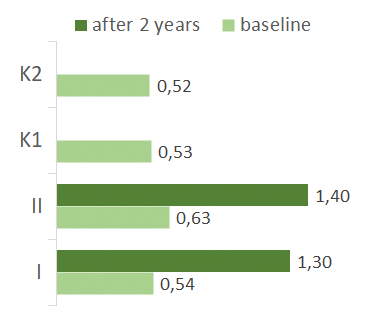
At the baseline assessment of Ca, P, and L-amylase activity in saliva, significant differences compared to the control group were detected only in group II patients (p<0.05) for Ca and L-amylase parameters. Over the course of the calcium-phosphate gel therapy administered in courses over two years, children in groups I and II showed a significant increase in Ca and P concentrations and L-amylase activity in saliva (Fig. 1–3).
Fig. 1. Ca concentration
Fig. 2. P concentration
Fig. 3. L-amylase activity
Oral examination of 21 patients showed that after completing the remineralizing therapy courses, the dental caries increment was reduced by 52.7% compared to the control group (Table 1).
Table 1. Caries intensity in the study and control groups over time
| Hemophilia group | Control group | |
|---|---|---|
| Caries prevalence at the beginning of the study |
100.0% |
89.4% |
| Baseline caries intensity | 9.92 ± 0.82 | 4.02 ± 0.39 |
| Caries intensity at 2 years from the start of the study | 12.23 ± 1.09 | 8.90 ± 0.71 |
| Caries increment | 2.31 | 4.88 |
Administration of R.O.C.S. Medical Minerals gel remineralizing therapy courses over two years in children with hemophilia helps reduce the dental caries increment regardless of the severity of hemophilia and disturbances in the biochemical parameters of oral fluid.
Over the course of the therapy, a positive trend was observed in the calcium and phosphorus concentrations and L-amylase activity in oral fluid in both compensated and decompensated forms of dental caries.
Course-based remineralizing therapy with R.O.C.S. Medical Minerals gel is indicated for both the prevention and treatment of initial forms of dental caries in patients with varying degrees of caries activity.
Evidence of the gel's effectiveness in treating mild fluorosis:
The use of R.O.C.S. Medical Minerals gel as 20-minute applications daily after toothbrushing for 6 months makes it possible to restore structural changes in the enamel and increase the remineralization index by 2.3 points in patients with a mild form of fluorosis.
Fig. 1. Before treatment
Fig. 2. After treatment
Fig. 3. Enamel lesion focus in dental fluorosis
Fig. 4. Enamel surface of a fluorotic tooth after application of R.O.C.S. Medical Minerals gel
The gel has been proven to increase the mineralizing potential of saliva:
The biochemical parameters of oral fluid in preschool children with varying caries intensity were studied (protein content, calcium ion and inorganic phosphate concentrations, Ca/P ratio). The effect of remineralizing therapy using R.O.C.S. Medical Minerals gel was evaluated, after which the concentration of inorganic phosphates and calcium ions, as well as the Ca/P ratio, significantly increased. The amount of protein in the oral fluid increased, but the differences were statistically insignificant. R.O.C.S. Medical Minerals affects the composition of oral fluid, saturating it with calcium ions and inorganic phosphates and enhancing its caries-protective properties. The trend toward an increase in protein after remineralizing therapy helps regulate the level of mineral components in the oral fluid and their uptake into the hard dental tissues.
Using the gel to treat chalky spots after braces removal:
According to the Current Care Guideline on Caries (2014), the carious process is the most common problem in children and adolescents in Finland. Chalky spots on the tooth enamel that appear after orthodontic treatment with fixed appliances represent an initial (reversible) form of dental caries. This study showed that R.O.C.S. Medical Minerals mineral gel, developed for the treatment of chalky spots, is suitable for independent home use and is an effective product when used by patients under the supervision of a dentist and/or dental hygienist.
Evidence of the gel's remineralizing and lightening action and its effectiveness in treating tooth hypersensitivity:
The aim of this study was to evaluate the remineralizing effect of a fluoride-free gel — "R.O.C.S. Medical Minerals" — in comparison with the "Belagel Ca/P" professional remineralizing system containing a mineral complex that includes fluorides.
Two groups of volunteers, 31 people each, used the test formulations according to the following protocols:
All volunteers were instructed and trained in proper dental care, motivated by the need for thorough tooth cleaning to achieve maximum effect when using remineralizing gels. The quality of dental care was monitored at least once every 10–12 days.
During the remineralizing therapy with the test formulations, a significant improvement in all studied parameters of the hard dental tissues was recorded.
In the group using "R.O.C.S. Medical Minerals," tooth mineralization parameters increased by 29% and enamel resistance by 27%, while in the group using "Belagel Ca/P," the increases were 21% and 31%, respectively (Fig. 1, 2). At the same time, alkaline phosphatase activity in the case of R.O.C.S. gel use increased by 51.2%, which is approximately 2.5 times higher than in the second group.
Fig. 1. Remineralization index
Fig. 2. Enamel acid resistance index (TER test)
Among the parameters recorded in this test series was an assessment of tooth color changes (Table 1).
Table 1. Tooth color changes over 4 weeks of using remineralizing formulations.
| R.O.C.S. Medical Minerals | Belagel Ca/P | |
|---|---|---|
| Percentage of patients in whom tooth lightening was observed |
90%
|
38%
|
| Percentage of patients whose color change exceeded 6 shades | 50% | 6% |
| Mean lightening value on the extended VITA scale | 4.74 ± 0.5 | 1.68 ± 0.4 |
Both formulations proved to be effective treatments for tooth hypersensitivity: the mean number of teeth with hypersensitivity (IRGZ index) decreased by 44% during the use of "R.O.C.S. Medical Minerals," and by 37% in the second group. The tooth hypersensitivity intensity index (IIGZ) decreased by 29% and 35%, respectively.
The vast majority of methods aimed at the prevention of dental caries and remineralization of focal demineralization sites are based on the use of fluorides. However, situations arise quite often when the use of fluoride prevention methods is not indicated.
It is well known that fluorides have the ability to increase the acid resistance of tooth enamel; however, the acid resistance of the hard dental tissues depends not only on the fluoride content (which amounts to tenths of a percent) but also on the overall level of mineralization. The main components of tooth enamel are calcium and phosphorus, the incorporation of which into the enamel after eruption is supported by salivary enzymes.
A significant increase in alkaline phosphatase activity was recorded only with the use of "R.O.C.S. Medical Minerals," which contains a direct substrate of this enzyme and magnesium chloride, known as a phosphatase activator. The improvement in the enamel mineralization process against the background of increased salivary phosphatase activity and a decrease in salivary phosphorus content (its more active utilization by tooth tissues was demonstrated) was reflected in the appearance of the teeth when using "R.O.C.S. Medical Minerals." In addition to an increased level of mineralization, this may indicate the predominant formation of apatite crystals, which, apparently, is related to the energetics of the enzymatic cleavage of calcium glycerophosphate and the ratio of calcium and phosphate ions. Simple phosphates precipitate predominantly in the form of other salts (whitlockite, brushite), which explains the lower effectiveness of the "Belagel Ca/P" formulation for improving tooth color.
The confirmed fact of tooth lightening is an extremely important motivating factor for patients to undergo remineralizing therapy. Furthermore, it expands the possibilities of esthetic treatment for individuals with contraindications to traditional whitening: patient age; pregnancy and breastfeeding; allergic reactions to whitening components; systemic diseases, endocrine disorders, bronchial asthma, hypertension; enamel hypersensitivity; the presence of exposed tooth necks, wedge-shaped defects, significant enamel loss due to pathological or age-related wear; acute periodontal diseases; diseases of the oral mucosa.
It is worth noting the convenience of therapeutic and preventive measures using "R.O.C.S. Medical Minerals" gel, since treatment can be carried out both in a dental clinic and at home.
Other mineralization parameters showed no significant differences between the two formulations. The use of remineralizing gels led to a reduction in tooth hypersensitivity, which is evidence of an increased level of mineralization and restoration of phosphorus and calcium content in the circumpulpal and mantle dentin. Both tested products are suitable for local prevention of dental caries and treatment of non-carious dental lesions.
Use of the remineralizing gel in pregnant women:
Pregnant women are at one of the highest risks of developing the main dental diseases — dental caries and inflammatory periodontal diseases.
A prevention program that includes professional oral hygiene, education and motivation for regular oral care, the use of fluoride-free R.O.C.S. toothpaste, a soft toothbrush, R.O.C.S. mouthwash with laminaria extract as individual hygiene products, as well as a course of remineralizing therapy with R.O.C.S. Medical Minerals gel in the second trimester of pregnancy, makes it possible to improve the condition of periodontal tissues and reduce the caries increment in pregnant women by 5.5 times.
Boosting the effectiveness of at-home whitening:
The use of R.O.C.S. Medical Minerals gel (a single 20-minute application after each whitening procedure for 1 month) increased the effectiveness of home tooth whitening by an average of 65%, maintained the achieved result for at least one year, prevented the occurrence of hypersensitivity, and reduced the risk of dental caries by an average of 93%.
Microbiological study of the biofilm after using the gel:
The high prevalence of caries in young children necessitates the use of therapeutic and preventive products that target the primary etiopathogenetic factor of this disease — pathogenic microflora. This study presents comparative data on the antimicrobial effectiveness of products containing xylitol and chlorhexidine, as well as their effect on the microbiocenosis composition of the dental biofilm.
A total of 30 patients aged 12 to 36 months with early childhood caries (18 boys and 12 girls) were followed for one month. The patients were divided into two equal groups using a blinded method:
It was recommended that the remineralizing gels be applied 4–5 times a day after toothbrushing. All procedures were performed by the patients' parents at home after receiving prior instruction.
At baseline and at the end of the prescribed treatment course, all patients underwent molecular biology testing using multiplex PCR at the NIMSI laboratory.
In group 1, a significant reduction in colonization by cariogenic species was detected, along with a positive effect of the R.O.C.S. Medical Minerals remineralizing gel components on the ratio of cariogenic to resident species, as well as a decrease in the quantity and frequency of detection of certain periodontopathogenic anaerobic bacteria (Table 1). An important positive feature of the change in the dental biofilm microbiocenosis composition in the first group was also the disappearance of Candida fungi.
Examination of the microbial flora of dental plaque in group 2 patients one month after treatment showed only some positive shifts in the ratio of cariogenic to normal flora, and a decrease in the frequency of detection of certain virulent strains. At the same time, the quantity and frequency of detection of representatives of the resident bacterial group — enterococci — decreased. In addition, the detection rate of the yeast-like fungus Candida albicans increased, with a statistically significant rise in the fungal colonization of dental plaque. These data indicate the development of dysbiosis with the use of chlorhexidine.
Table 1. Comparative assessment of changes in the frequency of detection of microbial flora in dental plaque between the two groups after a course of therapy
| Genus, species of bacteria | 0.1% chlorhexidine | R.O.C.S. Medical Minerals with xylitol |
|---|---|---|
| Streptococcus mutans (cariogenic strain) | no change | 45.4% reduction |
| Actinomyces spp. (cariogenic strain) | 33.3% reduction | 44.5% reduction |
| Veillonella parvula (resident) | 24.7% increase | 40.2% increase |
| Porphyromonas gingivalis (periodontopathogen) | 66.5% reduction | no change |
| Prevotella melaninogenica (virulent strain) | 20% increase | 44.5% reduction |
| Fusobacterium nucleatum (periodontopathogen) | 4.8-fold increase | 33.5% reduction |
| Candida albicans (fungus, pathogen) | 49.8% increase | complete disappearance |
A clinical examination after one month showed no new carious cavities or demineralization foci in group 1 patients; existing chalky spots regained their luster; the progression of carious defects was halted; and signs of catarrhal gingivitis disappeared.
During the clinical examination of group 2 patients, no new carious cavities were recorded either; the disappearance of catarrhal gingivitis signs was observed in 80% of patients (of those who had it at baseline).
The inclusion of both xylitol and chlorhexidine as antimicrobial therapy in the comprehensive treatment plan for early childhood caries leads to a reduction in the detection frequency and colonization level of cariogenic and periodontopathogenic flora in dental plaque.
The data presented indicate a more physiological action of xylitol; it has a positive effect on the microbiocenosis composition of the dental biofilm, normalizing the qualitative (species) composition and the quantitative bacterial load of both cariogenic and stabilizing resident species.
Anti-adhesive action of xylitol:
Very few substances are known today that can significantly affect the caries-causing environment in the mouth and reduce the risk of tooth decay. One of the most widely studied substances with an anti-caries effect is xylitol. However, the antibacterial mechanism of xylitol is not fully understood. This study provides data confirming xylitol's ability to significantly inhibit the adhesion of oral streptococci, the primary formers of dental plaque. These bacteria delay the development of caries- and periodontal disease-causing bacteria on tooth surfaces through a mechanism called co-adhesion. We also revealed the ability of xylitol to inhibit the adhesion of Streptococcus sobrinus, a microorganism associated with caries, and Staphylococcus aureus, which increases the virulence level of dental plaque. This mechanism of action is realised in toothpaste within the time period traditionally recommended for brushing teeth.
Aqua, Glycerin, Xylitol, Hydroxyethylcellulose, Calcium Glycerophosphate, Polysorbate-20, Aroma, Methylparaben, Magnesium Chloride, Hydroxypropyl Guar.
Apply the gel to your teeth twice a day, then avoid eating and drinking for 30–40 minutes.
The gel is safe if swallowed and has no age or duration-of-use restrictions.