Hydroxyapatite is a mineral with the formula Ca10(PO4)6(OH)2. With some reservations, this compound can be considered a crystal-chemical analogue of the mineral component of the skeletal tissues of animals and humans, which successfully serves as the base component of synthetic materials for orthopedics and dentistry.
The chemical composition of bioapatite also depends on the type of hard tissue; it differs for teeth and bones. Both concentration and structural differences found in bioapatites of different tissues are subordinated to their functional purpose. The chemical composition and properties of dentin and bone are quite close, while the chemical composition of tooth enamel differs greatly, approaching that of pure apatite. Tooth enamel consists of prismatic or rod-like HA crystals about 4 µm in diameter.1

Fig. 1. Simplified view of the unit cell of hydroxyapatite2
Hydroxyapatite-based toothpastes have been known for decades, and there has always been a discussion among dentists — whether prescribing such formulations to reduce tooth sensitivity is effective or not. A revolution in its use occurred with the advent of technologies for producing nanosized particles.
Depending on the synthesis method, it is possible to obtain a product with different morphology, specific surface area, stoichiometry and degree of crystallinity for various purposes, in particular for medical use. To ensure reproducibility of results, the synthesis conditions must be strictly observed.2,3
To synthesize hydroxyapatite, we use a patented technology. The hydroxyapatite suspension in R.O.C.S. toothpastes contains micron and submicron (nanosized) particles combined into soft agglomerates, with an insignificant proportion of distinct crystals. The Ca/P ratio is 1.5–1.67. Such hydroxyapatite is similar to the apatite of the hard dental tissues.
Laboratory and clinical studies demonstrate that the creation of an HA layer on the tooth surface — especially if, thanks to their size, the particles penetrate deep into cracks and exposed dentinal tubules — provides protection of tooth structures from the negative influence of acids and irritants. These phenomena are explainable by the simple formation of agglomerates of varying composition and size, poorly soluble calcium phosphates. A depot of calcium and phosphorus is formed on the tooth surface, but their incorporation into metabolism is hardly likely.4
The proportion of nanosized HA in tooth enamel depends on a person's age; with age, crystals mature and increase in size, and the color of the tooth becomes darker. Thus, the appearance of nanoparticles in tooth enamel affects not only its level of protection, but also positively influences its appearance. 5
Description
Active ingredients
Properties
RIA
Clinical trials
Ingredients
Application
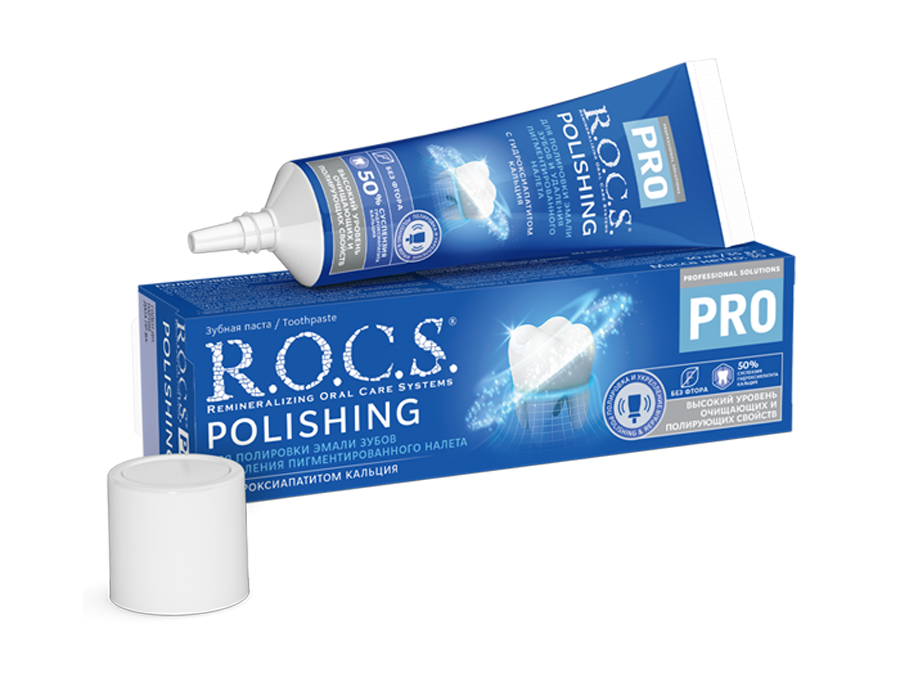
R.O.C.S. PRO POLISHING toothpaste has strong cleaning power and handles various types of stained dental plaque. Its PCR (stained pellicle removal) index is 93.
The toothpaste has a high polishing potential thanks to a special abrasive. Ultrafine silica with a particle size of 2–3 microns doesn't scratch treated surfaces.
A 50% hydroxyapatite suspension (7.5% on a dry basis) and calcium glycerophosphate remineralize and strengthen the structures of the hard dental tissues.
A white toothpaste with a natural lemon balm flavoring.
* Russian Abrasivity Index reflects the cleaning capacity level of oral care products and polishing pastes. Products with a higher RIA value have enhanced cleaning properties, but are also a risk factor for the development of non-carious dental lesions, therefore the choice of toothpaste should be guided by the condition of the hard dental tissues.
The DRC group of companies, in collaboration with the Institute of Digital Dentistry of the RUDN Medical Institute, has developed and is implementing a new toothpaste abrasivity measurement standard in Russia that meets the highest requirements: safety, accuracy, reproducibility. Принято. This methodology is an alternative to the RDA measurement method and offers a number of advantages. Its effectiveness has been confirmed by a large-scale experimental and clinical study involving 534 patients.
The methodology is based on a rotary machine and digital technologies developed by a research group of dentists, physicists, and digital modeling specialists. QLF diagnostics, intraoral scanning, and digital analysis were used in the work, which made it possible to obtain objective data on tooth wear and the influence of abrasivity over time.
More detailed information on the Russian Abrasivity Index (RIA)
The toothpaste's abrasivity (RDA) and cleaning properties (PCR) were tested at Indiana University (USA):
Sample No. 12 "R.O.C.S. Dental polishing"
Using R.O.C.S. PRO POLISHING to polish teeth as part of professional oral hygiene reduced tooth hypersensitivity and improved enamel structure in a high-risk group:
The study involved 39 patients of both sexes aged 18 to 45 years with hard tissue discoloration who were exposed to harmful occupational factors and had no tooth hypersensitivity. The patients were divided into three equal groups. Professional oral hygiene was performed in each group using one of the polishing pastes: corundum-based, perlite-based, or ultrafine silica-based (R.O.C.S. PRO POLISHING).
The most pronounced hypersensitivity was observed with the corundum-based polishing paste, while the least was seen with R.O.C.S. PRO POLISHING paste, which contains a 50% hydroxyapatite suspension.
When comparing the morphological changes in the enamel before and after polishing, R.O.C.S. PRO POLISHING paste showed the most pronounced positive changes: a smooth enamel surface, a denser enamel structure, and no areas of damage affecting the deeper layers of the enamel. Thus, the polishing paste based on ultrafine silica proved to be the most preferable for professional oral hygiene.
Aqua, Glycerin, Silica, Hydroxyapatite, Xanthan Gum, Calcium Glycerophosphate, Polysorbate-20, Aroma, Sodium Lauryl Sulfate, Sodium Methylparaben, Sodium Saccharin, Sodium Benzoate, Sodium Propylparaben, O-Cymen-5-ol, Potassium Hydroxide, Limonene, Citral.
For professional polishing, soft rotating rubber cups (caps) and large-diameter soft end brushes can be used.
For at-home use, use 1–2 times a week instead of your regular toothpaste with a manual or electric toothbrush with soft bristles.
Description
Active ingredients
Properties
RIA
Clinical trials
Ingredients
Application

R.O.C.S. SENSITIVE Repair & Whitening toothpaste's unique cleaning system with macrogranules whitens and adds shine to teeth without increasing their sensitivity. With low abrasivity for both dentin and enamel, it delivers excellent cleaning power (PCR=80) and is suitable for long-term daily use.
Whitening of sensitive teeth.
A white toothpaste with blue granules. Contains a natural lemon balm flavoring.
* Russian Abrasivity Index reflects the cleaning capacity level of oral care products and polishing pastes. Products with a higher RIA value have enhanced cleaning properties, but are also a risk factor for the development of non-carious dental lesions, therefore the choice of toothpaste should be guided by the condition of the hard dental tissues.
The DRC group of companies, in collaboration with the Institute of Digital Dentistry of the RUDN Medical Institute, has developed and is implementing a new toothpaste abrasivity measurement standard in Russia that meets the highest requirements: safety, accuracy, reproducibility. Принято. This methodology is an alternative to the RDA measurement method and offers a number of advantages. Its effectiveness has been confirmed by a large-scale experimental and clinical study involving 534 patients.
The methodology is based on a rotary machine and digital technologies developed by a research group of dentists, physicists, and digital modeling specialists. QLF diagnostics, intraoral scanning, and digital analysis were used in the work, which made it possible to obtain objective data on tooth wear and the influence of abrasivity over time.
More detailed information on the Russian Abrasivity Index (RIA)Toothpaste based on hydroxyapatite and calcium glycerophosphate has been proven to reduce dentin hypersensitivity and whiten teeth by an average of 1.5 shades after 1 month of use:
The aim of the study was to evaluate the effectiveness of a non-abrasive toothpaste containing hydroxyapatite particles and calcium glycerophosphate in patients with dentin hypersensitivity.
The study included 89 patients (26 men and 63 women) aged 20–65 years who presented to the clinic with complaints of tooth pain sensitivity. The patients were divided into two groups:
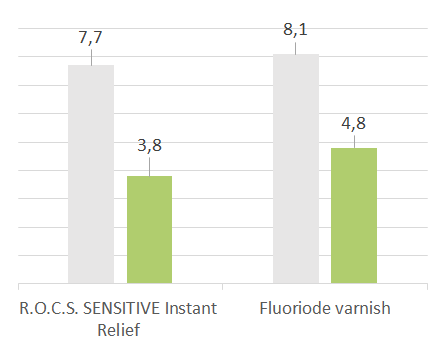
Fig. 1. Cold air stimulus
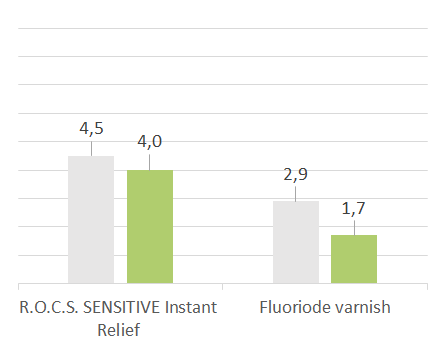
Fig. 2. Probing with a dental probe
Daily use (for one month) of R.O.C.S. Sensitive Instant Relief toothpaste containing hydroxyapatite and calcium glycerophosphate in combination with a soft toothbrush leads to a statistically significant (p=0.001) reduction in pain sensitivity scores in response to a cold stimulus. The results obtained with this type of treatment are similar to those of a treatment regimen that includes four applications of fluoride varnish at three-day intervals.
The aim of this study was to evaluate the effectiveness of a toothpaste based on calcium hydroxyapatite, silica, and calcium glycerophosphate in reducing dentin hypersensitivity caused by the loss of hard dental tissues (erosion, wedge-shaped defects, microfractures, chips, abrasion, etc.).
The study group included 30 people aged 20 to 56 years with pronounced symptoms of tooth sensitivity and enamel integrity defects.
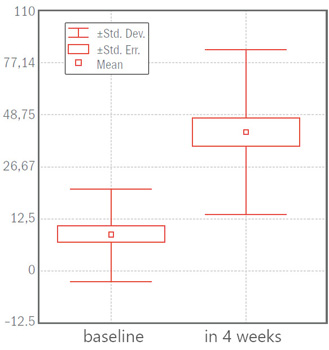
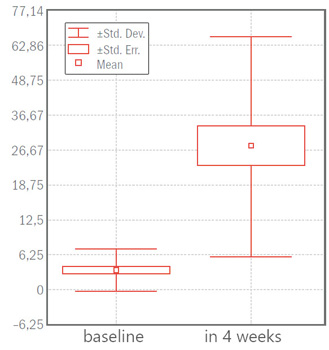
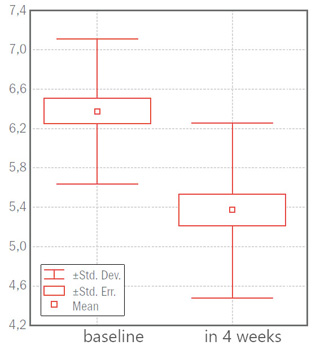
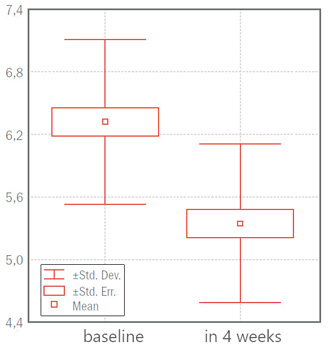
The subjects used R.O.C.S. SENSITIVE REPAIR & WHITENING toothpaste daily for one month. The level of dentin hypersensitivity was determined by an instrumental method (YeapleProbes device) and subjectively (Schiff scale). Tooth color was determined using a VITA Easyshade Compact spectrophotometer (VITA Zahnfabrik, Germany). The parameters were recorded at baseline and after 4 weeks.
Fig. 1. Upper jaw
Fig. 2. Lower jaw
Fig. 3. Upper jaw
Fig. 4. Lower jaw
During the use of the test toothpaste, a significant improvement in the studied parameters of the hard dental tissues was recorded in all subjects. The toothpaste based on mineral components (hydroxyapatite and calcium glycerophosphate) demonstrated high clinical effectiveness for patients with hypersensitivity of the hard dental tissues.
The dynamics of instrumental tooth color recording before and after the use of the test toothpaste and the subjective impressions of patients showed that, in addition to reducing sensitivity, the use of this toothpaste improves the color of the tooth enamel.
R.O.C.S. toothpaste with active minerals (calcium glycerophosphate + magnesium chloride) and xylitol saturates enamel with minerals and increases caries resistance and the rate of tooth remineralization:
The study found that R.O.C.S. toothpaste containing sources of calcium, phosphate, and magnesium, without fluoride, enhances caries resistance of teeth no less effectively than a toothpaste containing sodium fluoride at maximum concentrations (1500 ppm F–).
R.O.C.S. toothpaste significantly increases the rate of remineralization of teeth exposed to acid, and, due to its ability to limit plaque growth, allows achieving a good level of oral hygiene within one week of use.
Enamel tunnels are microstructures that curve in an S-shape along the bundles of enamel prisms and extend to the dentin, penetrating it in the form of enamel bridges, where metabolic exchange between the enamel and dentin takes place. On the enamel surface, these tunnels open as enamel pores. X-ray spectral microanalysis and planar spectrograms show that the walls of enamel tunnels and the areas near them contain mainly mineral components (Ca, Ba, Cd, Sr, P, Si, As, C, K, Br, I, Cl), while the lumen contains organic components. It has been established that the mineral component of R.O.C.S. toothpastes actively penetrates through the enamel tunnels into the area of the enamel-dentin junction and the superficial layers of the dentin, exerting a positive effect on the structural and functional caries resistance of teeth.
Confirmation of the prebiotic and anti-adhesive properties of xylitol (normalization of microflora, protection against cariogenic bacteria and Candida fungi):
The high prevalence of caries in young children necessitates the use of therapeutic and preventive products that target the primary etiopathogenetic factor of this disease — pathogenic microflora. This study presents comparative data on the antimicrobial effectiveness of products containing xylitol and chlorhexidine, as well as their effect on the microbiocenosis composition of the dental biofilm.
A total of 30 patients aged 12 to 36 months with early childhood caries (18 boys and 12 girls) were followed for one month. The patients were divided into two equal groups using a blinded method:
It was recommended that the remineralizing gels be applied 4–5 times a day after toothbrushing. All procedures were performed by the patients' parents at home after receiving prior instruction.
At baseline and at the end of the prescribed treatment course, all patients underwent molecular biology testing using multiplex PCR at the NIMSI laboratory.
In group 1, a significant reduction in colonization by cariogenic species was detected, along with a positive effect of the R.O.C.S. Medical Minerals remineralizing gel components on the ratio of cariogenic to resident species, as well as a decrease in the quantity and frequency of detection of certain periodontopathogenic anaerobic bacteria (Table 1). An important positive feature of the change in the dental biofilm microbiocenosis composition in the first group was also the disappearance of Candida fungi.
Examination of the microbial flora of dental plaque in group 2 patients one month after treatment showed only some positive shifts in the ratio of cariogenic to normal flora, and a decrease in the frequency of detection of certain virulent strains. At the same time, the quantity and frequency of detection of representatives of the resident bacterial group — enterococci — decreased. In addition, the detection rate of the yeast-like fungus Candida albicans increased, with a statistically significant rise in the fungal colonization of dental plaque. These data indicate the development of dysbiosis with the use of chlorhexidine.
Table 1. Comparative assessment of changes in the frequency of detection of microbial flora in dental plaque between the two groups after a course of therapy
| Genus, species of bacteria | 0.1% chlorhexidine | R.O.C.S. Medical Minerals with xylitol |
|---|---|---|
| Streptococcus mutans (cariogenic strain) | no change | 45.4% reduction |
| Actinomyces spp. (cariogenic strain) | 33.3% reduction | 44.5% reduction |
| Veillonella parvula (resident) | 24.7% increase | 40.2% increase |
| Porphyromonas gingivalis (periodontopathogen) | 66.5% reduction | no change |
| Prevotella melaninogenica (virulent strain) | 20% increase | 44.5% reduction |
| Fusobacterium nucleatum (periodontopathogen) | 4.8-fold increase | 33.5% reduction |
| Candida albicans (fungus, pathogen) | 49.8% increase | complete disappearance |
A clinical examination after one month showed no new carious cavities or demineralization foci in group 1 patients; existing chalky spots regained their luster; the progression of carious defects was halted; and signs of catarrhal gingivitis disappeared.
During the clinical examination of group 2 patients, no new carious cavities were recorded either; the disappearance of catarrhal gingivitis signs was observed in 80% of patients (of those who had it at baseline).
The inclusion of both xylitol and chlorhexidine as antimicrobial therapy in the comprehensive treatment plan for early childhood caries leads to a reduction in the detection frequency and colonization level of cariogenic and periodontopathogenic flora in dental plaque.
The data presented indicate a more physiological action of xylitol; it has a positive effect on the microbiocenosis composition of the dental biofilm, normalizing the qualitative (species) composition and the quantitative bacterial load of both cariogenic and stabilizing resident species.
Very few substances are known today that can significantly affect the caries-causing environment in the mouth and reduce the risk of tooth decay. One of the most widely studied substances with an anti-caries effect is xylitol. However, the antibacterial mechanism of xylitol is not fully understood. This study provides data confirming xylitol's ability to significantly inhibit the adhesion of oral streptococci, the primary formers of dental plaque. These bacteria delay the development of caries- and periodontal disease-causing bacteria on tooth surfaces through a mechanism called co-adhesion. We also revealed the ability of xylitol to inhibit the adhesion of Streptococcus sobrinus, a microorganism associated with caries, and Staphylococcus aureus, which increases the virulence level of dental plaque. This mechanism of action is realised in toothpaste within the time period traditionally recommended for brushing teeth.
Aqua, Silica, Glycerin, Sorbitol, Xylitol, Hydroxyapatite, Xanthan Gum, Aroma, Calcium Glycerophosphate, Cocamidopropyl Betaine, Sodium Lauroyl Sarcosinate, Hydroxyacetophenone, Sodium Benzoate, Sodium Saccharine, Magnesium Chloride, Sodium Methylparaben, Sodium Propylparaben, O-cymen-5-ol, CI 74160, Limonene.
Use twice a day (morning and evening) with a soft toothbrush. Recommended toothbrushing time is 2-3 minutes.
Suitable for all ages, with no time restrictions on use.
Description
Active ingredients
Properties
RIA
Clinical trials
Ingredients
Application

Like every toothpaste in the SENSITIVE line, R.O.C.S. SENSITIVE Plus GUM CARE contains a 50% hydroxyapatite suspension. Its formula is further enhanced with chlorophyll to protect the gums and reduce inflammation.
Daily oral care for sensitive teeth and gums.
A mint flavor with notes of eucalyptus. The toothpaste's greenish color comes from a natural colorant.
* Russian Abrasivity Index reflects the cleaning capacity level of oral care products and polishing pastes. Products with a higher RIA value have enhanced cleaning properties, but are also a risk factor for the development of non-carious dental lesions, therefore the choice of toothpaste should be guided by the condition of the hard dental tissues.
The DRC group of companies, in collaboration with the Institute of Digital Dentistry of the RUDN Medical Institute, has developed and is implementing a new toothpaste abrasivity measurement standard in Russia that meets the highest requirements: safety, accuracy, reproducibility. Принято. This methodology is an alternative to the RDA measurement method and offers a number of advantages. Its effectiveness has been confirmed by a large-scale experimental and clinical study involving 534 patients.
The methodology is based on a rotary machine and digital technologies developed by a research group of dentists, physicists, and digital modeling specialists. QLF diagnostics, intraoral scanning, and digital analysis were used in the work, which made it possible to obtain objective data on tooth wear and the influence of abrasivity over time.
More detailed information on the Russian Abrasivity Index (RIA)Toothpaste based on hydroxyapatite and calcium glycerophosphate has been proven to reduce dentin hypersensitivity and whiten teeth by an average of 1.5 shades after 1 month of use:
The aim of the study was to evaluate the effectiveness of a non-abrasive toothpaste containing hydroxyapatite particles and calcium glycerophosphate in patients with dentin hypersensitivity.
The study included 89 patients (26 men and 63 women) aged 20–65 years who presented to the clinic with complaints of tooth pain sensitivity. The patients were divided into two groups:
Fig. 1. Cold air stimulus
Fig. 2. Probing with a dental probe
Daily use (for one month) of R.O.C.S. Sensitive Instant Relief toothpaste containing hydroxyapatite and calcium glycerophosphate in combination with a soft toothbrush leads to a statistically significant (p=0.001) reduction in pain sensitivity scores in response to a cold stimulus. The results obtained with this type of treatment are similar to those of a treatment regimen that includes four applications of fluoride varnish at three-day intervals.
The aim of this study was to evaluate the effectiveness of a toothpaste based on calcium hydroxyapatite, silica, and calcium glycerophosphate in reducing dentin hypersensitivity caused by the loss of hard dental tissues (erosion, wedge-shaped defects, microfractures, chips, abrasion, etc.).
The study group included 30 people aged 20 to 56 years with pronounced symptoms of tooth sensitivity and enamel integrity defects.
The subjects used R.O.C.S. SENSITIVE REPAIR & WHITENING toothpaste daily for one month. The level of dentin hypersensitivity was determined by an instrumental method (YeapleProbes device) and subjectively (Schiff scale). Tooth color was determined using a VITA Easyshade Compact spectrophotometer (VITA Zahnfabrik, Germany). The parameters were recorded at baseline and after 4 weeks.
Fig. 1. Upper jaw
Fig. 2. Lower jaw
Fig. 3. Upper jaw
Fig. 4. Lower jaw
During the use of the test toothpaste, a significant improvement in the studied parameters of the hard dental tissues was recorded in all subjects. The toothpaste based on mineral components (hydroxyapatite and calcium glycerophosphate) demonstrated high clinical effectiveness for patients with hypersensitivity of the hard dental tissues.
The dynamics of instrumental tooth color recording before and after the use of the test toothpaste and the subjective impressions of patients showed that, in addition to reducing sensitivity, the use of this toothpaste improves the color of the tooth enamel.
R.O.C.S. toothpaste with active minerals (calcium glycerophosphate + magnesium chloride) and xylitol saturates enamel with minerals and increases caries resistance and the rate of tooth remineralization:
The study found that R.O.C.S. toothpaste containing sources of calcium, phosphate, and magnesium, without fluoride, enhances caries resistance of teeth no less effectively than a toothpaste containing sodium fluoride at maximum concentrations (1500 ppm F–).
R.O.C.S. toothpaste significantly increases the rate of remineralization of teeth exposed to acid, and, due to its ability to limit plaque growth, allows achieving a good level of oral hygiene within one week of use.
Enamel tunnels are microstructures that curve in an S-shape along the bundles of enamel prisms and extend to the dentin, penetrating it in the form of enamel bridges, where metabolic exchange between the enamel and dentin takes place. On the enamel surface, these tunnels open as enamel pores. X-ray spectral microanalysis and planar spectrograms show that the walls of enamel tunnels and the areas near them contain mainly mineral components (Ca, Ba, Cd, Sr, P, Si, As, C, K, Br, I, Cl), while the lumen contains organic components. It has been established that the mineral component of R.O.C.S. toothpastes actively penetrates through the enamel tunnels into the area of the enamel-dentin junction and the superficial layers of the dentin, exerting a positive effect on the structural and functional caries resistance of teeth.
Confirmation of the prebiotic and anti-adhesive properties of xylitol (normalization of microflora, protection against cariogenic bacteria and Candida fungi):
The high prevalence of caries in young children necessitates the use of therapeutic and preventive products that target the primary etiopathogenetic factor of this disease — pathogenic microflora. This study presents comparative data on the antimicrobial effectiveness of products containing xylitol and chlorhexidine, as well as their effect on the microbiocenosis composition of the dental biofilm.
A total of 30 patients aged 12 to 36 months with early childhood caries (18 boys and 12 girls) were followed for one month. The patients were divided into two equal groups using a blinded method:
It was recommended that the remineralizing gels be applied 4–5 times a day after toothbrushing. All procedures were performed by the patients' parents at home after receiving prior instruction.
At baseline and at the end of the prescribed treatment course, all patients underwent molecular biology testing using multiplex PCR at the NIMSI laboratory.
In group 1, a significant reduction in colonization by cariogenic species was detected, along with a positive effect of the R.O.C.S. Medical Minerals remineralizing gel components on the ratio of cariogenic to resident species, as well as a decrease in the quantity and frequency of detection of certain periodontopathogenic anaerobic bacteria (Table 1). An important positive feature of the change in the dental biofilm microbiocenosis composition in the first group was also the disappearance of Candida fungi.
Examination of the microbial flora of dental plaque in group 2 patients one month after treatment showed only some positive shifts in the ratio of cariogenic to normal flora, and a decrease in the frequency of detection of certain virulent strains. At the same time, the quantity and frequency of detection of representatives of the resident bacterial group — enterococci — decreased. In addition, the detection rate of the yeast-like fungus Candida albicans increased, with a statistically significant rise in the fungal colonization of dental plaque. These data indicate the development of dysbiosis with the use of chlorhexidine.
Table 1. Comparative assessment of changes in the frequency of detection of microbial flora in dental plaque between the two groups after a course of therapy
| Genus, species of bacteria | 0.1% chlorhexidine | R.O.C.S. Medical Minerals with xylitol |
|---|---|---|
| Streptococcus mutans (cariogenic strain) | no change | 45.4% reduction |
| Actinomyces spp. (cariogenic strain) | 33.3% reduction | 44.5% reduction |
| Veillonella parvula (resident) | 24.7% increase | 40.2% increase |
| Porphyromonas gingivalis (periodontopathogen) | 66.5% reduction | no change |
| Prevotella melaninogenica (virulent strain) | 20% increase | 44.5% reduction |
| Fusobacterium nucleatum (periodontopathogen) | 4.8-fold increase | 33.5% reduction |
| Candida albicans (fungus, pathogen) | 49.8% increase | complete disappearance |
A clinical examination after one month showed no new carious cavities or demineralization foci in group 1 patients; existing chalky spots regained their luster; the progression of carious defects was halted; and signs of catarrhal gingivitis disappeared.
During the clinical examination of group 2 patients, no new carious cavities were recorded either; the disappearance of catarrhal gingivitis signs was observed in 80% of patients (of those who had it at baseline).
The inclusion of both xylitol and chlorhexidine as antimicrobial therapy in the comprehensive treatment plan for early childhood caries leads to a reduction in the detection frequency and colonization level of cariogenic and periodontopathogenic flora in dental plaque.
The data presented indicate a more physiological action of xylitol; it has a positive effect on the microbiocenosis composition of the dental biofilm, normalizing the qualitative (species) composition and the quantitative bacterial load of both cariogenic and stabilizing resident species.
Very few substances are known today that can significantly affect the caries-causing environment in the mouth and reduce the risk of tooth decay. One of the most widely studied substances with an anti-caries effect is xylitol. However, the antibacterial mechanism of xylitol is not fully understood. This study provides data confirming xylitol's ability to significantly inhibit the adhesion of oral streptococci, the primary formers of dental plaque. These bacteria delay the development of caries- and periodontal disease-causing bacteria on tooth surfaces through a mechanism called co-adhesion. We also revealed the ability of xylitol to inhibit the adhesion of Streptococcus sobrinus, a microorganism associated with caries, and Staphylococcus aureus, which increases the virulence level of dental plaque. This mechanism of action is realised in toothpaste within the time period traditionally recommended for brushing teeth.
Aqua, Sorbitol, Glycerin, Dicalcium Phosphate Dihydrate, Xylitol, Hydroxyapatite, Silica, Xanthan Gum, Calcium Glycerophosphate, Cocamidopropyl Betaine, Sodium Lauroyl Sarcosinate, Aroma, Hydroxyacetophenone, Magnesium Chloride, Sodium Saccharin, Sodium Methylparaben, Sodium Benzoate, O-Cymen-5-ol, Chlorophyll-Copper Complex, Sodium Propylparaben, Limonene.
Use twice a day (morning and evening) with a soft toothbrush. Recommended toothbrushing time is 2-3 minutes.
Suitable for all ages, with no time restrictions on use.
Description
Active ingredients
Properties
RIA
Clinical trials
Ingredients
Application

R.O.C.S. SENSITIVE Instant Relief toothpaste is 50% hydroxyapatite suspension, synthesized using a unique patented technology and with a high affinity for tooth tissues. Fast sensitivity relief comes from sealing the tiniest enamel defects and exposed dentinal tubules, followed by effective remineralization.
The toothpaste's low abrasivity makes it suitable for cases of pronounced dentin hypersensitivity.
A white, uniform toothpaste with a classic mint flavor.
* Russian Abrasivity Index reflects the cleaning capacity level of oral care products and polishing pastes. Products with a higher RIA value have enhanced cleaning properties, but are also a risk factor for the development of non-carious dental lesions, therefore the choice of toothpaste should be guided by the condition of the hard dental tissues.
The DRC group of companies, in collaboration with the Institute of Digital Dentistry of the RUDN Medical Institute, has developed and is implementing a new toothpaste abrasivity measurement standard in Russia that meets the highest requirements: safety, accuracy, reproducibility. Принято. This methodology is an alternative to the RDA measurement method and offers a number of advantages. Its effectiveness has been confirmed by a large-scale experimental and clinical study involving 534 patients.
The methodology is based on a rotary machine and digital technologies developed by a research group of dentists, physicists, and digital modeling specialists. QLF diagnostics, intraoral scanning, and digital analysis were used in the work, which made it possible to obtain objective data on tooth wear and the influence of abrasivity over time.
More detailed information on the Russian Abrasivity Index (RIA)Toothpaste based on hydroxyapatite and calcium glycerophosphate has been proven to reduce dentin hypersensitivity and whiten teeth by an average of 1.5 shades after 1 month of use:
The aim of the study was to evaluate the effectiveness of a non-abrasive toothpaste containing hydroxyapatite particles and calcium glycerophosphate in patients with dentin hypersensitivity.
The study included 89 patients (26 men and 63 women) aged 20–65 years who presented to the clinic with complaints of tooth pain sensitivity. The patients were divided into two groups:
Fig. 1. Cold air stimulus
Fig. 2. Probing with a dental probe
Daily use (for one month) of R.O.C.S. Sensitive Instant Relief toothpaste containing hydroxyapatite and calcium glycerophosphate in combination with a soft toothbrush leads to a statistically significant (p=0.001) reduction in pain sensitivity scores in response to a cold stimulus. The results obtained with this type of treatment are similar to those of a treatment regimen that includes four applications of fluoride varnish at three-day intervals.
The aim of this study was to evaluate the effectiveness of a toothpaste based on calcium hydroxyapatite, silica, and calcium glycerophosphate in reducing dentin hypersensitivity caused by the loss of hard dental tissues (erosion, wedge-shaped defects, microfractures, chips, abrasion, etc.).
The study group included 30 people aged 20 to 56 years with pronounced symptoms of tooth sensitivity and enamel integrity defects.
The subjects used R.O.C.S. SENSITIVE REPAIR & WHITENING toothpaste daily for one month. The level of dentin hypersensitivity was determined by an instrumental method (YeapleProbes device) and subjectively (Schiff scale). Tooth color was determined using a VITA Easyshade Compact spectrophotometer (VITA Zahnfabrik, Germany). The parameters were recorded at baseline and after 4 weeks.
Fig. 1. Upper jaw
Fig. 2. Lower jaw
Fig. 3. Upper jaw
Fig. 4. Lower jaw
During the use of the test toothpaste, a significant improvement in the studied parameters of the hard dental tissues was recorded in all subjects. The toothpaste based on mineral components (hydroxyapatite and calcium glycerophosphate) demonstrated high clinical effectiveness for patients with hypersensitivity of the hard dental tissues.
The dynamics of instrumental tooth color recording before and after the use of the test toothpaste and the subjective impressions of patients showed that, in addition to reducing sensitivity, the use of this toothpaste improves the color of the tooth enamel.
R.O.C.S. toothpaste with active minerals (calcium glycerophosphate + magnesium chloride) and xylitol saturates enamel with minerals and increases caries resistance and the rate of tooth remineralization:
The study found that R.O.C.S. toothpaste containing sources of calcium, phosphate, and magnesium, without fluoride, enhances caries resistance of teeth no less effectively than a toothpaste containing sodium fluoride at maximum concentrations (1500 ppm F–).
R.O.C.S. toothpaste significantly increases the rate of remineralization of teeth exposed to acid, and, due to its ability to limit plaque growth, allows achieving a good level of oral hygiene within one week of use.
Enamel tunnels are microstructures that curve in an S-shape along the bundles of enamel prisms and extend to the dentin, penetrating it in the form of enamel bridges, where metabolic exchange between the enamel and dentin takes place. On the enamel surface, these tunnels open as enamel pores. X-ray spectral microanalysis and planar spectrograms show that the walls of enamel tunnels and the areas near them contain mainly mineral components (Ca, Ba, Cd, Sr, P, Si, As, C, K, Br, I, Cl), while the lumen contains organic components. It has been established that the mineral component of R.O.C.S. toothpastes actively penetrates through the enamel tunnels into the area of the enamel-dentin junction and the superficial layers of the dentin, exerting a positive effect on the structural and functional caries resistance of teeth.
Confirmation of the prebiotic and anti-adhesive properties of xylitol (normalization of microflora, protection against cariogenic bacteria and Candida fungi):
The high prevalence of caries in young children necessitates the use of therapeutic and preventive products that target the primary etiopathogenetic factor of this disease — pathogenic microflora. This study presents comparative data on the antimicrobial effectiveness of products containing xylitol and chlorhexidine, as well as their effect on the microbiocenosis composition of the dental biofilm.
A total of 30 patients aged 12 to 36 months with early childhood caries (18 boys and 12 girls) were followed for one month. The patients were divided into two equal groups using a blinded method:
It was recommended that the remineralizing gels be applied 4–5 times a day after toothbrushing. All procedures were performed by the patients' parents at home after receiving prior instruction.
At baseline and at the end of the prescribed treatment course, all patients underwent molecular biology testing using multiplex PCR at the NIMSI laboratory.
In group 1, a significant reduction in colonization by cariogenic species was detected, along with a positive effect of the R.O.C.S. Medical Minerals remineralizing gel components on the ratio of cariogenic to resident species, as well as a decrease in the quantity and frequency of detection of certain periodontopathogenic anaerobic bacteria (Table 1). An important positive feature of the change in the dental biofilm microbiocenosis composition in the first group was also the disappearance of Candida fungi.
Examination of the microbial flora of dental plaque in group 2 patients one month after treatment showed only some positive shifts in the ratio of cariogenic to normal flora, and a decrease in the frequency of detection of certain virulent strains. At the same time, the quantity and frequency of detection of representatives of the resident bacterial group — enterococci — decreased. In addition, the detection rate of the yeast-like fungus Candida albicans increased, with a statistically significant rise in the fungal colonization of dental plaque. These data indicate the development of dysbiosis with the use of chlorhexidine.
Table 1. Comparative assessment of changes in the frequency of detection of microbial flora in dental plaque between the two groups after a course of therapy
| Genus, species of bacteria | 0.1% chlorhexidine | R.O.C.S. Medical Minerals with xylitol |
|---|---|---|
| Streptococcus mutans (cariogenic strain) | no change | 45.4% reduction |
| Actinomyces spp. (cariogenic strain) | 33.3% reduction | 44.5% reduction |
| Veillonella parvula (resident) | 24.7% increase | 40.2% increase |
| Porphyromonas gingivalis (periodontopathogen) | 66.5% reduction | no change |
| Prevotella melaninogenica (virulent strain) | 20% increase | 44.5% reduction |
| Fusobacterium nucleatum (periodontopathogen) | 4.8-fold increase | 33.5% reduction |
| Candida albicans (fungus, pathogen) | 49.8% increase | complete disappearance |
A clinical examination after one month showed no new carious cavities or demineralization foci in group 1 patients; existing chalky spots regained their luster; the progression of carious defects was halted; and signs of catarrhal gingivitis disappeared.
During the clinical examination of group 2 patients, no new carious cavities were recorded either; the disappearance of catarrhal gingivitis signs was observed in 80% of patients (of those who had it at baseline).
The inclusion of both xylitol and chlorhexidine as antimicrobial therapy in the comprehensive treatment plan for early childhood caries leads to a reduction in the detection frequency and colonization level of cariogenic and periodontopathogenic flora in dental plaque.
The data presented indicate a more physiological action of xylitol; it has a positive effect on the microbiocenosis composition of the dental biofilm, normalizing the qualitative (species) composition and the quantitative bacterial load of both cariogenic and stabilizing resident species.
Very few substances are known today that can significantly affect the caries-causing environment in the mouth and reduce the risk of tooth decay. One of the most widely studied substances with an anti-caries effect is xylitol. However, the antibacterial mechanism of xylitol is not fully understood. This study provides data confirming xylitol's ability to significantly inhibit the adhesion of oral streptococci, the primary formers of dental plaque. These bacteria delay the development of caries- and periodontal disease-causing bacteria on tooth surfaces through a mechanism called co-adhesion. We also revealed the ability of xylitol to inhibit the adhesion of Streptococcus sobrinus, a microorganism associated with caries, and Staphylococcus aureus, which increases the virulence level of dental plaque. This mechanism of action is realised in toothpaste within the time period traditionally recommended for brushing teeth.
Aqua, Glycerin, Sorbitol, Dicalcium Phosphate Dihydrate, Xylitol, Hydroxyapatite, Silica, Xanthan Gum, Aroma, Calcium Glycerophosphate, Cocamidopropyl Betaine, Sodium Lauroyl Sarcosinate, Hydroxyacetophenone, Sodium Benzoate, Sodium Saccharine, Magnesium Chloride, Sodium Methylparaben, Sodium Propylparaben, O-cymen-5-ol, Limonene.
Use twice a day (morning and evening) with a soft toothbrush. Recommended toothbrushing time is 2-3 minutes.
Suitable for all ages, with no time restrictions on use.
Description
Active ingredients
Properties
RIA
Clinical trials
Ingredients
Application
R.O.C.S. PERIODONT toothpaste is a comprehensive solution for managing the symptoms of inflammatory periodontal diseases, as well as tooth hypersensitivity associated with these conditions.
The plant extracts have a pronounced anti-inflammatory effect on periodontal tissues, reduce gum bleeding and possess a broad spectrum of antimicrobial action. Sodium bicarbonate provides a decongestant effect.
Hydroxyapatite and active minerals help protect hard dental tissues and alleviate tooth sensitivity when the tooth neck is exposed.
Comprehensive care for teeth and gums in cases of inflammatory periodontal diseases.
A white toothpaste with a mild mint flavor that does not cause a burning sensation.
* Russian Abrasivity Index reflects the cleaning capacity level of oral care products and polishing pastes. Products with a higher RIA value have enhanced cleaning properties, but are also a risk factor for the development of non-carious dental lesions, therefore the choice of toothpaste should be guided by the condition of the hard dental tissues.
The DRC group of companies, in collaboration with the Institute of Digital Dentistry of the RUDN Medical Institute, has developed and is implementing a new toothpaste abrasivity measurement standard in Russia that meets the highest requirements: safety, accuracy, reproducibility. Принято. This methodology is an alternative to the RDA measurement method and offers a number of advantages. Its effectiveness has been confirmed by a large-scale experimental and clinical study involving 534 patients.
The methodology is based on a rotary machine and digital technologies developed by a research group of dentists, physicists, and digital modeling specialists. QLF diagnostics, intraoral scanning, and digital analysis were used in the work, which made it possible to obtain objective data on tooth wear and the influence of abrasivity over time.
More detailed information on the Russian Abrasivity Index (RIA)Study of the properties of R.O.C.S. Periodont toothpaste:
This study investigated the efficacy and safety of R.O.C.S. Periodont toothpaste for the oral care of patients with chronic periodontitis and dental hard tissue hypersensitivity.
The study involved 32 people (mean age: 31.8 years) aged between 20 and 45 years with chronic periodontitis of mild to moderate severity combined with catarrhal gingivitis and hypersensitivity of dental hard tissues.
All patients were instructed in proper brushing techniques and underwent professional oral hygiene treatment. All patients used R.O.C.S. Periodont toothpaste for two months.
The oral hygiene index of patients in the study group improved significantly after two weeks of use and remained at this level throughout the observation period (Fig. 1).
The decrease in the inflammatory process of the gums (Fig. 2) could be partly due to professional oral hygiene, but using the toothpaste allowed the periodontal index to remain stable for 2 months.
Using Periodont toothpaste levelled the increase in sensitivity of the hard tissues of the teeth, which often occurs after professional oral hygiene. After two months, it reduced the intensity of sensitivity (Fig. 3).
Fig. 1. O'Leary hygiene index, %
Fig. 2. PMA index, %
Fig. 3. Air-cold test, points
In all cases of gingival inflammation (PMA index > 25%), fluorescence diagnostics using the Proof attachment on the VistaCam (405 nm) revealed the presence of plaque in the vestibular region and in areas of inflamed periodontium (Fig. 4,6).
Fig. 4. Patient M., aged 34. Plaque accumulation in the vestibular region of the teeth with transition to the inflamed gingiva. Complaints of bleeding gums and tooth sensitivity.
Fig. 5. Patient M., aged 34. Status two months after the start of the study: no plaque present. The periodontium shows no signs of inflammation.
Fig. 6. Patient N., aged 35. Plaque is present on the inflamed gums around all teeth. The patient complains of bleeding gums and tooth sensitivity. Hard tissue sensitivity: 3 points.
Fig. 7. Patient N., 35 years old. Condition 2 months after beginning to use the toothpaste. No plaque was detected and the periodontium showed no signs of inflammation. Sensitivity of hard tissues: 1 point.
During the safety study of the toothpaste, it was found that the activation coefficient of peripheral blood basophils in patients in the study group was within the normal range (1.05 ± 0.02).
Using R.O.C.S. Periodont toothpaste in patients with chronic periodontitis:
R.O.C.S. toothpaste with active minerals (calcium glycerophosphate + magnesium chloride) and xylitol saturates enamel with minerals, increases caries resistance and the rate of tooth remineralization:
The study found that R.O.C.S. toothpaste containing sources of calcium, phosphate, and magnesium, without fluoride, enhances caries resistance of teeth no less effectively than a toothpaste containing sodium fluoride at maximum concentrations (1500 ppm F–).
R.O.C.S. toothpaste significantly increases the rate of remineralization of teeth exposed to acid, and, due to its ability to limit plaque growth, allows achieving a good level of oral hygiene within one week of use.
Enamel tunnels are microstructures that curve in an S-shape along the bundles of enamel prisms and extend to the dentin, penetrating it in the form of enamel bridges, where metabolic exchange between the enamel and dentin takes place. On the enamel surface, these tunnels open as enamel pores. X-ray spectral microanalysis and planar spectrograms show that the walls of enamel tunnels and the areas near them contain mainly mineral components (Ca, Ba, Cd, Sr, P, Si, As, C, K, Br, I, Cl), while the lumen contains organic components. It has been established that the mineral component of R.O.C.S. toothpastes actively penetrates through the enamel tunnels into the area of the enamel-dentin junction and the superficial layers of the dentin, exerting a positive effect on the structural and functional caries resistance of teeth.
Confirmation of the prebiotic and anti-adhesive properties of xylitol (normalization of microflora, protection against cariogenic bacteria and Candida fungi):
The high prevalence of caries in young children necessitates the use of therapeutic and preventive products that target the primary etiopathogenetic factor of this disease — pathogenic microflora. This study presents comparative data on the antimicrobial effectiveness of products containing xylitol and chlorhexidine, as well as their effect on the microbiocenosis composition of the dental biofilm.
A total of 30 patients aged 12 to 36 months with early childhood caries (18 boys and 12 girls) were followed for one month. The patients were divided into two equal groups using a blinded method:
It was recommended that the remineralizing gels be applied 4–5 times a day after toothbrushing. All procedures were performed by the patients' parents at home after receiving prior instruction.
At baseline and at the end of the prescribed treatment course, all patients underwent molecular biology testing using multiplex PCR at the NIMSI laboratory.
In group 1, a significant reduction in colonization by cariogenic species was detected, along with a positive effect of the R.O.C.S. Medical Minerals remineralizing gel components on the ratio of cariogenic to resident species, as well as a decrease in the quantity and frequency of detection of certain periodontopathogenic anaerobic bacteria (Table 1). An important positive feature of the change in the dental biofilm microbiocenosis composition in the first group was also the disappearance of Candida fungi.
Examination of the microbial flora of dental plaque in group 2 patients one month after treatment showed only some positive shifts in the ratio of cariogenic to normal flora, and a decrease in the frequency of detection of certain virulent strains. At the same time, the quantity and frequency of detection of representatives of the resident bacterial group — enterococci — decreased. In addition, the detection rate of the yeast-like fungus Candida albicans increased, with a statistically significant rise in the fungal colonization of dental plaque. These data indicate the development of dysbiosis with the use of chlorhexidine.
Table 1. Comparative assessment of changes in the frequency of detection of microbial flora in dental plaque between the two groups after a course of therapy
| Genus, species of bacteria | 0.1% chlorhexidine | R.O.C.S. Medical Minerals with xylitol |
|---|---|---|
| Streptococcus mutans (cariogenic strain) | no change | 45.4% reduction |
| Actinomyces spp. (cariogenic strain) | 33.3% reduction | 44.5% reduction |
| Veillonella parvula (resident) | 24.7% increase | 40.2% increase |
| Porphyromonas gingivalis (periodontopathogen) | 66.5% reduction | no change |
| Prevotella melaninogenica (virulent strain) | 20% increase | 44.5% reduction |
| Fusobacterium nucleatum (periodontopathogen) | 4.8-fold increase | 33.5% reduction |
| Candida albicans (fungus, pathogen) | 49.8% increase | complete disappearance |
A clinical examination after one month showed no new carious cavities or demineralization foci in group 1 patients; existing chalky spots regained their luster; the progression of carious defects was halted; and signs of catarrhal gingivitis disappeared.
During the clinical examination of group 2 patients, no new carious cavities were recorded either; the disappearance of catarrhal gingivitis signs was observed in 80% of patients (of those who had it at baseline).
The inclusion of both xylitol and chlorhexidine as antimicrobial therapy in the comprehensive treatment plan for early childhood caries leads to a reduction in the detection frequency and colonization level of cariogenic and periodontopathogenic flora in dental plaque.
The data presented indicate a more physiological action of xylitol; it has a positive effect on the microbiocenosis composition of the dental biofilm, normalizing the qualitative (species) composition and the quantitative bacterial load of both cariogenic and stabilizing resident species.
Very few substances are known today that can significantly affect the caries-causing environment in the mouth and reduce the risk of tooth decay. One of the most widely studied substances with an anti-caries effect is xylitol. However, the antibacterial mechanism of xylitol is not fully understood. This study provides data confirming xylitol's ability to significantly inhibit the adhesion of oral streptococci, the primary formers of dental plaque. These bacteria delay the development of caries- and periodontal disease-causing bacteria on tooth surfaces through a mechanism called co-adhesion. We also revealed the ability of xylitol to inhibit the adhesion of Streptococcus sobrinus, a microorganism associated with caries, and Staphylococcus aureus, which increases the virulence level of dental plaque. This mechanism of action is realised in toothpaste within the time period traditionally recommended for brushing teeth.
Aqua, Glycerin, Silica, Xylitol, Sodium Bicarbonate, Hydroxyapatite, Populus Tremuloides Bark Extract, Xanthan Gum, Aroma, Cocamidopropyl Betaine, Lonicera Caprifolium Extract, Lonicera Japonica Extract, Calcium Glycerophosphate, Sodium Lauroyl Sarcosinate, Sodium saccharin, Sodium Benzoate, Sodium Methylparaben, Sodium Propylparaben, O-cymen-5-ol, Magnesium Chloride, Potassium Hydroxide, Limonene, Linalool.
Use twice a day (morning and evening) with a soft or medium-bristled toothbrush. Brushing time is 2-3 minutes.
Suitable for all ages, with no time restrictions on use.
After toothbrushing, as well as after each meal, we recommend using R.O.C.S. mouthwash with plant extracts or the R.O.C.S. Whitening Black Edition peroxide-containing mouthwash.
R.O.C.S. PRO POLISHING toothpaste has strong cleaning power and handles various types of stained dental plaque. Its PCR (stained pellicle removal) index is 93.
The toothpaste has a high polishing potential thanks to a special abrasive. Ultrafine silica with a particle size of 2–3 microns doesn't scratch treated surfaces.
A 50% hydroxyapatite suspension (7.5% on a dry basis) and calcium glycerophosphate remineralize and strengthen the structures of the hard dental tissues.
A white toothpaste with a natural lemon balm flavoring.
* Russian Abrasivity Index reflects the cleaning capacity level of oral care products and polishing pastes. Products with a higher RIA value have enhanced cleaning properties, but are also a risk factor for the development of non-carious dental lesions, therefore the choice of toothpaste should be guided by the condition of the hard dental tissues.
The DRC group of companies, in collaboration with the Institute of Digital Dentistry of the RUDN Medical Institute, has developed and is implementing a new toothpaste abrasivity measurement standard in Russia that meets the highest requirements: safety, accuracy, reproducibility. Принято. This methodology is an alternative to the RDA measurement method and offers a number of advantages. Its effectiveness has been confirmed by a large-scale experimental and clinical study involving 534 patients.
The methodology is based on a rotary machine and digital technologies developed by a research group of dentists, physicists, and digital modeling specialists. QLF diagnostics, intraoral scanning, and digital analysis were used in the work, which made it possible to obtain objective data on tooth wear and the influence of abrasivity over time.
More detailed information on the Russian Abrasivity Index (RIA)
The toothpaste's abrasivity (RDA) and cleaning properties (PCR) were tested at Indiana University (USA):
Sample No. 12 "R.O.C.S. Dental polishing"
Using R.O.C.S. PRO POLISHING to polish teeth as part of professional oral hygiene reduced tooth hypersensitivity and improved enamel structure in a high-risk group:
The study involved 39 patients of both sexes aged 18 to 45 years with hard tissue discoloration who were exposed to harmful occupational factors and had no tooth hypersensitivity. The patients were divided into three equal groups. Professional oral hygiene was performed in each group using one of the polishing pastes: corundum-based, perlite-based, or ultrafine silica-based (R.O.C.S. PRO POLISHING).
The most pronounced hypersensitivity was observed with the corundum-based polishing paste, while the least was seen with R.O.C.S. PRO POLISHING paste, which contains a 50% hydroxyapatite suspension.
When comparing the morphological changes in the enamel before and after polishing, R.O.C.S. PRO POLISHING paste showed the most pronounced positive changes: a smooth enamel surface, a denser enamel structure, and no areas of damage affecting the deeper layers of the enamel. Thus, the polishing paste based on ultrafine silica proved to be the most preferable for professional oral hygiene.
Aqua, Glycerin, Silica, Hydroxyapatite, Xanthan Gum, Calcium Glycerophosphate, Polysorbate-20, Aroma, Sodium Lauryl Sulfate, Sodium Methylparaben, Sodium Saccharin, Sodium Benzoate, Sodium Propylparaben, O-Cymen-5-ol, Potassium Hydroxide, Limonene, Citral.
For professional polishing, soft rotating rubber cups (caps) and large-diameter soft end brushes can be used.
For at-home use, use 1–2 times a week instead of your regular toothpaste with a manual or electric toothbrush with soft bristles.

R.O.C.S. SENSITIVE Repair & Whitening toothpaste's unique cleaning system with macrogranules whitens and adds shine to teeth without increasing their sensitivity. With low abrasivity for both dentin and enamel, it delivers excellent cleaning power (PCR=80) and is suitable for long-term daily use.
Whitening of sensitive teeth.
A white toothpaste with blue granules. Contains a natural lemon balm flavoring.
* Russian Abrasivity Index reflects the cleaning capacity level of oral care products and polishing pastes. Products with a higher RIA value have enhanced cleaning properties, but are also a risk factor for the development of non-carious dental lesions, therefore the choice of toothpaste should be guided by the condition of the hard dental tissues.
The DRC group of companies, in collaboration with the Institute of Digital Dentistry of the RUDN Medical Institute, has developed and is implementing a new toothpaste abrasivity measurement standard in Russia that meets the highest requirements: safety, accuracy, reproducibility. Принято. This methodology is an alternative to the RDA measurement method and offers a number of advantages. Its effectiveness has been confirmed by a large-scale experimental and clinical study involving 534 patients.
The methodology is based on a rotary machine and digital technologies developed by a research group of dentists, physicists, and digital modeling specialists. QLF diagnostics, intraoral scanning, and digital analysis were used in the work, which made it possible to obtain objective data on tooth wear and the influence of abrasivity over time.
More detailed information on the Russian Abrasivity Index (RIA)Toothpaste based on hydroxyapatite and calcium glycerophosphate has been proven to reduce dentin hypersensitivity and whiten teeth by an average of 1.5 shades after 1 month of use:
The aim of the study was to evaluate the effectiveness of a non-abrasive toothpaste containing hydroxyapatite particles and calcium glycerophosphate in patients with dentin hypersensitivity.
The study included 89 patients (26 men and 63 women) aged 20–65 years who presented to the clinic with complaints of tooth pain sensitivity. The patients were divided into two groups:
Fig. 1. Cold air stimulus
Fig. 2. Probing with a dental probe
Daily use (for one month) of R.O.C.S. Sensitive Instant Relief toothpaste containing hydroxyapatite and calcium glycerophosphate in combination with a soft toothbrush leads to a statistically significant (p=0.001) reduction in pain sensitivity scores in response to a cold stimulus. The results obtained with this type of treatment are similar to those of a treatment regimen that includes four applications of fluoride varnish at three-day intervals.
The aim of this study was to evaluate the effectiveness of a toothpaste based on calcium hydroxyapatite, silica, and calcium glycerophosphate in reducing dentin hypersensitivity caused by the loss of hard dental tissues (erosion, wedge-shaped defects, microfractures, chips, abrasion, etc.).
The study group included 30 people aged 20 to 56 years with pronounced symptoms of tooth sensitivity and enamel integrity defects.
The subjects used R.O.C.S. SENSITIVE REPAIR & WHITENING toothpaste daily for one month. The level of dentin hypersensitivity was determined by an instrumental method (YeapleProbes device) and subjectively (Schiff scale). Tooth color was determined using a VITA Easyshade Compact spectrophotometer (VITA Zahnfabrik, Germany). The parameters were recorded at baseline and after 4 weeks.
Fig. 1. Upper jaw
Fig. 2. Lower jaw
Fig. 3. Upper jaw
Fig. 4. Lower jaw
During the use of the test toothpaste, a significant improvement in the studied parameters of the hard dental tissues was recorded in all subjects. The toothpaste based on mineral components (hydroxyapatite and calcium glycerophosphate) demonstrated high clinical effectiveness for patients with hypersensitivity of the hard dental tissues.
The dynamics of instrumental tooth color recording before and after the use of the test toothpaste and the subjective impressions of patients showed that, in addition to reducing sensitivity, the use of this toothpaste improves the color of the tooth enamel.
R.O.C.S. toothpaste with active minerals (calcium glycerophosphate + magnesium chloride) and xylitol saturates enamel with minerals and increases caries resistance and the rate of tooth remineralization:
The study found that R.O.C.S. toothpaste containing sources of calcium, phosphate, and magnesium, without fluoride, enhances caries resistance of teeth no less effectively than a toothpaste containing sodium fluoride at maximum concentrations (1500 ppm F–).
R.O.C.S. toothpaste significantly increases the rate of remineralization of teeth exposed to acid, and, due to its ability to limit plaque growth, allows achieving a good level of oral hygiene within one week of use.
Enamel tunnels are microstructures that curve in an S-shape along the bundles of enamel prisms and extend to the dentin, penetrating it in the form of enamel bridges, where metabolic exchange between the enamel and dentin takes place. On the enamel surface, these tunnels open as enamel pores. X-ray spectral microanalysis and planar spectrograms show that the walls of enamel tunnels and the areas near them contain mainly mineral components (Ca, Ba, Cd, Sr, P, Si, As, C, K, Br, I, Cl), while the lumen contains organic components. It has been established that the mineral component of R.O.C.S. toothpastes actively penetrates through the enamel tunnels into the area of the enamel-dentin junction and the superficial layers of the dentin, exerting a positive effect on the structural and functional caries resistance of teeth.
Confirmation of the prebiotic and anti-adhesive properties of xylitol (normalization of microflora, protection against cariogenic bacteria and Candida fungi):
The high prevalence of caries in young children necessitates the use of therapeutic and preventive products that target the primary etiopathogenetic factor of this disease — pathogenic microflora. This study presents comparative data on the antimicrobial effectiveness of products containing xylitol and chlorhexidine, as well as their effect on the microbiocenosis composition of the dental biofilm.
A total of 30 patients aged 12 to 36 months with early childhood caries (18 boys and 12 girls) were followed for one month. The patients were divided into two equal groups using a blinded method:
It was recommended that the remineralizing gels be applied 4–5 times a day after toothbrushing. All procedures were performed by the patients' parents at home after receiving prior instruction.
At baseline and at the end of the prescribed treatment course, all patients underwent molecular biology testing using multiplex PCR at the NIMSI laboratory.
In group 1, a significant reduction in colonization by cariogenic species was detected, along with a positive effect of the R.O.C.S. Medical Minerals remineralizing gel components on the ratio of cariogenic to resident species, as well as a decrease in the quantity and frequency of detection of certain periodontopathogenic anaerobic bacteria (Table 1). An important positive feature of the change in the dental biofilm microbiocenosis composition in the first group was also the disappearance of Candida fungi.
Examination of the microbial flora of dental plaque in group 2 patients one month after treatment showed only some positive shifts in the ratio of cariogenic to normal flora, and a decrease in the frequency of detection of certain virulent strains. At the same time, the quantity and frequency of detection of representatives of the resident bacterial group — enterococci — decreased. In addition, the detection rate of the yeast-like fungus Candida albicans increased, with a statistically significant rise in the fungal colonization of dental plaque. These data indicate the development of dysbiosis with the use of chlorhexidine.
Table 1. Comparative assessment of changes in the frequency of detection of microbial flora in dental plaque between the two groups after a course of therapy
| Genus, species of bacteria | 0.1% chlorhexidine | R.O.C.S. Medical Minerals with xylitol |
|---|---|---|
| Streptococcus mutans (cariogenic strain) | no change | 45.4% reduction |
| Actinomyces spp. (cariogenic strain) | 33.3% reduction | 44.5% reduction |
| Veillonella parvula (resident) | 24.7% increase | 40.2% increase |
| Porphyromonas gingivalis (periodontopathogen) | 66.5% reduction | no change |
| Prevotella melaninogenica (virulent strain) | 20% increase | 44.5% reduction |
| Fusobacterium nucleatum (periodontopathogen) | 4.8-fold increase | 33.5% reduction |
| Candida albicans (fungus, pathogen) | 49.8% increase | complete disappearance |
A clinical examination after one month showed no new carious cavities or demineralization foci in group 1 patients; existing chalky spots regained their luster; the progression of carious defects was halted; and signs of catarrhal gingivitis disappeared.
During the clinical examination of group 2 patients, no new carious cavities were recorded either; the disappearance of catarrhal gingivitis signs was observed in 80% of patients (of those who had it at baseline).
The inclusion of both xylitol and chlorhexidine as antimicrobial therapy in the comprehensive treatment plan for early childhood caries leads to a reduction in the detection frequency and colonization level of cariogenic and periodontopathogenic flora in dental plaque.
The data presented indicate a more physiological action of xylitol; it has a positive effect on the microbiocenosis composition of the dental biofilm, normalizing the qualitative (species) composition and the quantitative bacterial load of both cariogenic and stabilizing resident species.
Very few substances are known today that can significantly affect the caries-causing environment in the mouth and reduce the risk of tooth decay. One of the most widely studied substances with an anti-caries effect is xylitol. However, the antibacterial mechanism of xylitol is not fully understood. This study provides data confirming xylitol's ability to significantly inhibit the adhesion of oral streptococci, the primary formers of dental plaque. These bacteria delay the development of caries- and periodontal disease-causing bacteria on tooth surfaces through a mechanism called co-adhesion. We also revealed the ability of xylitol to inhibit the adhesion of Streptococcus sobrinus, a microorganism associated with caries, and Staphylococcus aureus, which increases the virulence level of dental plaque. This mechanism of action is realised in toothpaste within the time period traditionally recommended for brushing teeth.
Aqua, Silica, Glycerin, Sorbitol, Xylitol, Hydroxyapatite, Xanthan Gum, Aroma, Calcium Glycerophosphate, Cocamidopropyl Betaine, Sodium Lauroyl Sarcosinate, Hydroxyacetophenone, Sodium Benzoate, Sodium Saccharine, Magnesium Chloride, Sodium Methylparaben, Sodium Propylparaben, O-cymen-5-ol, CI 74160, Limonene.
Use twice a day (morning and evening) with a soft toothbrush. Recommended toothbrushing time is 2-3 minutes.
Suitable for all ages, with no time restrictions on use.

Like every toothpaste in the SENSITIVE line, R.O.C.S. SENSITIVE Plus GUM CARE contains a 50% hydroxyapatite suspension. Its formula is further enhanced with chlorophyll to protect the gums and reduce inflammation.
Daily oral care for sensitive teeth and gums.
A mint flavor with notes of eucalyptus. The toothpaste's greenish color comes from a natural colorant.
* Russian Abrasivity Index reflects the cleaning capacity level of oral care products and polishing pastes. Products with a higher RIA value have enhanced cleaning properties, but are also a risk factor for the development of non-carious dental lesions, therefore the choice of toothpaste should be guided by the condition of the hard dental tissues.
The DRC group of companies, in collaboration with the Institute of Digital Dentistry of the RUDN Medical Institute, has developed and is implementing a new toothpaste abrasivity measurement standard in Russia that meets the highest requirements: safety, accuracy, reproducibility. Принято. This methodology is an alternative to the RDA measurement method and offers a number of advantages. Its effectiveness has been confirmed by a large-scale experimental and clinical study involving 534 patients.
The methodology is based on a rotary machine and digital technologies developed by a research group of dentists, physicists, and digital modeling specialists. QLF diagnostics, intraoral scanning, and digital analysis were used in the work, which made it possible to obtain objective data on tooth wear and the influence of abrasivity over time.
More detailed information on the Russian Abrasivity Index (RIA)Toothpaste based on hydroxyapatite and calcium glycerophosphate has been proven to reduce dentin hypersensitivity and whiten teeth by an average of 1.5 shades after 1 month of use:
The aim of the study was to evaluate the effectiveness of a non-abrasive toothpaste containing hydroxyapatite particles and calcium glycerophosphate in patients with dentin hypersensitivity.
The study included 89 patients (26 men and 63 women) aged 20–65 years who presented to the clinic with complaints of tooth pain sensitivity. The patients were divided into two groups:
Fig. 1. Cold air stimulus
Fig. 2. Probing with a dental probe
Daily use (for one month) of R.O.C.S. Sensitive Instant Relief toothpaste containing hydroxyapatite and calcium glycerophosphate in combination with a soft toothbrush leads to a statistically significant (p=0.001) reduction in pain sensitivity scores in response to a cold stimulus. The results obtained with this type of treatment are similar to those of a treatment regimen that includes four applications of fluoride varnish at three-day intervals.
The aim of this study was to evaluate the effectiveness of a toothpaste based on calcium hydroxyapatite, silica, and calcium glycerophosphate in reducing dentin hypersensitivity caused by the loss of hard dental tissues (erosion, wedge-shaped defects, microfractures, chips, abrasion, etc.).
The study group included 30 people aged 20 to 56 years with pronounced symptoms of tooth sensitivity and enamel integrity defects.
The subjects used R.O.C.S. SENSITIVE REPAIR & WHITENING toothpaste daily for one month. The level of dentin hypersensitivity was determined by an instrumental method (YeapleProbes device) and subjectively (Schiff scale). Tooth color was determined using a VITA Easyshade Compact spectrophotometer (VITA Zahnfabrik, Germany). The parameters were recorded at baseline and after 4 weeks.
Fig. 1. Upper jaw
Fig. 2. Lower jaw
Fig. 3. Upper jaw
Fig. 4. Lower jaw
During the use of the test toothpaste, a significant improvement in the studied parameters of the hard dental tissues was recorded in all subjects. The toothpaste based on mineral components (hydroxyapatite and calcium glycerophosphate) demonstrated high clinical effectiveness for patients with hypersensitivity of the hard dental tissues.
The dynamics of instrumental tooth color recording before and after the use of the test toothpaste and the subjective impressions of patients showed that, in addition to reducing sensitivity, the use of this toothpaste improves the color of the tooth enamel.
R.O.C.S. toothpaste with active minerals (calcium glycerophosphate + magnesium chloride) and xylitol saturates enamel with minerals and increases caries resistance and the rate of tooth remineralization:
The study found that R.O.C.S. toothpaste containing sources of calcium, phosphate, and magnesium, without fluoride, enhances caries resistance of teeth no less effectively than a toothpaste containing sodium fluoride at maximum concentrations (1500 ppm F–).
R.O.C.S. toothpaste significantly increases the rate of remineralization of teeth exposed to acid, and, due to its ability to limit plaque growth, allows achieving a good level of oral hygiene within one week of use.
Enamel tunnels are microstructures that curve in an S-shape along the bundles of enamel prisms and extend to the dentin, penetrating it in the form of enamel bridges, where metabolic exchange between the enamel and dentin takes place. On the enamel surface, these tunnels open as enamel pores. X-ray spectral microanalysis and planar spectrograms show that the walls of enamel tunnels and the areas near them contain mainly mineral components (Ca, Ba, Cd, Sr, P, Si, As, C, K, Br, I, Cl), while the lumen contains organic components. It has been established that the mineral component of R.O.C.S. toothpastes actively penetrates through the enamel tunnels into the area of the enamel-dentin junction and the superficial layers of the dentin, exerting a positive effect on the structural and functional caries resistance of teeth.
Confirmation of the prebiotic and anti-adhesive properties of xylitol (normalization of microflora, protection against cariogenic bacteria and Candida fungi):
The high prevalence of caries in young children necessitates the use of therapeutic and preventive products that target the primary etiopathogenetic factor of this disease — pathogenic microflora. This study presents comparative data on the antimicrobial effectiveness of products containing xylitol and chlorhexidine, as well as their effect on the microbiocenosis composition of the dental biofilm.
A total of 30 patients aged 12 to 36 months with early childhood caries (18 boys and 12 girls) were followed for one month. The patients were divided into two equal groups using a blinded method:
It was recommended that the remineralizing gels be applied 4–5 times a day after toothbrushing. All procedures were performed by the patients' parents at home after receiving prior instruction.
At baseline and at the end of the prescribed treatment course, all patients underwent molecular biology testing using multiplex PCR at the NIMSI laboratory.
In group 1, a significant reduction in colonization by cariogenic species was detected, along with a positive effect of the R.O.C.S. Medical Minerals remineralizing gel components on the ratio of cariogenic to resident species, as well as a decrease in the quantity and frequency of detection of certain periodontopathogenic anaerobic bacteria (Table 1). An important positive feature of the change in the dental biofilm microbiocenosis composition in the first group was also the disappearance of Candida fungi.
Examination of the microbial flora of dental plaque in group 2 patients one month after treatment showed only some positive shifts in the ratio of cariogenic to normal flora, and a decrease in the frequency of detection of certain virulent strains. At the same time, the quantity and frequency of detection of representatives of the resident bacterial group — enterococci — decreased. In addition, the detection rate of the yeast-like fungus Candida albicans increased, with a statistically significant rise in the fungal colonization of dental plaque. These data indicate the development of dysbiosis with the use of chlorhexidine.
Table 1. Comparative assessment of changes in the frequency of detection of microbial flora in dental plaque between the two groups after a course of therapy
| Genus, species of bacteria | 0.1% chlorhexidine | R.O.C.S. Medical Minerals with xylitol |
|---|---|---|
| Streptococcus mutans (cariogenic strain) | no change | 45.4% reduction |
| Actinomyces spp. (cariogenic strain) | 33.3% reduction | 44.5% reduction |
| Veillonella parvula (resident) | 24.7% increase | 40.2% increase |
| Porphyromonas gingivalis (periodontopathogen) | 66.5% reduction | no change |
| Prevotella melaninogenica (virulent strain) | 20% increase | 44.5% reduction |
| Fusobacterium nucleatum (periodontopathogen) | 4.8-fold increase | 33.5% reduction |
| Candida albicans (fungus, pathogen) | 49.8% increase | complete disappearance |
A clinical examination after one month showed no new carious cavities or demineralization foci in group 1 patients; existing chalky spots regained their luster; the progression of carious defects was halted; and signs of catarrhal gingivitis disappeared.
During the clinical examination of group 2 patients, no new carious cavities were recorded either; the disappearance of catarrhal gingivitis signs was observed in 80% of patients (of those who had it at baseline).
The inclusion of both xylitol and chlorhexidine as antimicrobial therapy in the comprehensive treatment plan for early childhood caries leads to a reduction in the detection frequency and colonization level of cariogenic and periodontopathogenic flora in dental plaque.
The data presented indicate a more physiological action of xylitol; it has a positive effect on the microbiocenosis composition of the dental biofilm, normalizing the qualitative (species) composition and the quantitative bacterial load of both cariogenic and stabilizing resident species.
Very few substances are known today that can significantly affect the caries-causing environment in the mouth and reduce the risk of tooth decay. One of the most widely studied substances with an anti-caries effect is xylitol. However, the antibacterial mechanism of xylitol is not fully understood. This study provides data confirming xylitol's ability to significantly inhibit the adhesion of oral streptococci, the primary formers of dental plaque. These bacteria delay the development of caries- and periodontal disease-causing bacteria on tooth surfaces through a mechanism called co-adhesion. We also revealed the ability of xylitol to inhibit the adhesion of Streptococcus sobrinus, a microorganism associated with caries, and Staphylococcus aureus, which increases the virulence level of dental plaque. This mechanism of action is realised in toothpaste within the time period traditionally recommended for brushing teeth.
Aqua, Sorbitol, Glycerin, Dicalcium Phosphate Dihydrate, Xylitol, Hydroxyapatite, Silica, Xanthan Gum, Calcium Glycerophosphate, Cocamidopropyl Betaine, Sodium Lauroyl Sarcosinate, Aroma, Hydroxyacetophenone, Magnesium Chloride, Sodium Saccharin, Sodium Methylparaben, Sodium Benzoate, O-Cymen-5-ol, Chlorophyll-Copper Complex, Sodium Propylparaben, Limonene.
Use twice a day (morning and evening) with a soft toothbrush. Recommended toothbrushing time is 2-3 minutes.
Suitable for all ages, with no time restrictions on use.

R.O.C.S. SENSITIVE Instant Relief toothpaste is 50% hydroxyapatite suspension, synthesized using a unique patented technology and with a high affinity for tooth tissues. Fast sensitivity relief comes from sealing the tiniest enamel defects and exposed dentinal tubules, followed by effective remineralization.
The toothpaste's low abrasivity makes it suitable for cases of pronounced dentin hypersensitivity.
A white, uniform toothpaste with a classic mint flavor.
* Russian Abrasivity Index reflects the cleaning capacity level of oral care products and polishing pastes. Products with a higher RIA value have enhanced cleaning properties, but are also a risk factor for the development of non-carious dental lesions, therefore the choice of toothpaste should be guided by the condition of the hard dental tissues.
The DRC group of companies, in collaboration with the Institute of Digital Dentistry of the RUDN Medical Institute, has developed and is implementing a new toothpaste abrasivity measurement standard in Russia that meets the highest requirements: safety, accuracy, reproducibility. Принято. This methodology is an alternative to the RDA measurement method and offers a number of advantages. Its effectiveness has been confirmed by a large-scale experimental and clinical study involving 534 patients.
The methodology is based on a rotary machine and digital technologies developed by a research group of dentists, physicists, and digital modeling specialists. QLF diagnostics, intraoral scanning, and digital analysis were used in the work, which made it possible to obtain objective data on tooth wear and the influence of abrasivity over time.
More detailed information on the Russian Abrasivity Index (RIA)Toothpaste based on hydroxyapatite and calcium glycerophosphate has been proven to reduce dentin hypersensitivity and whiten teeth by an average of 1.5 shades after 1 month of use:
The aim of the study was to evaluate the effectiveness of a non-abrasive toothpaste containing hydroxyapatite particles and calcium glycerophosphate in patients with dentin hypersensitivity.
The study included 89 patients (26 men and 63 women) aged 20–65 years who presented to the clinic with complaints of tooth pain sensitivity. The patients were divided into two groups:
Fig. 1. Cold air stimulus
Fig. 2. Probing with a dental probe
Daily use (for one month) of R.O.C.S. Sensitive Instant Relief toothpaste containing hydroxyapatite and calcium glycerophosphate in combination with a soft toothbrush leads to a statistically significant (p=0.001) reduction in pain sensitivity scores in response to a cold stimulus. The results obtained with this type of treatment are similar to those of a treatment regimen that includes four applications of fluoride varnish at three-day intervals.
The aim of this study was to evaluate the effectiveness of a toothpaste based on calcium hydroxyapatite, silica, and calcium glycerophosphate in reducing dentin hypersensitivity caused by the loss of hard dental tissues (erosion, wedge-shaped defects, microfractures, chips, abrasion, etc.).
The study group included 30 people aged 20 to 56 years with pronounced symptoms of tooth sensitivity and enamel integrity defects.
The subjects used R.O.C.S. SENSITIVE REPAIR & WHITENING toothpaste daily for one month. The level of dentin hypersensitivity was determined by an instrumental method (YeapleProbes device) and subjectively (Schiff scale). Tooth color was determined using a VITA Easyshade Compact spectrophotometer (VITA Zahnfabrik, Germany). The parameters were recorded at baseline and after 4 weeks.
Fig. 1. Upper jaw
Fig. 2. Lower jaw
Fig. 3. Upper jaw
Fig. 4. Lower jaw
During the use of the test toothpaste, a significant improvement in the studied parameters of the hard dental tissues was recorded in all subjects. The toothpaste based on mineral components (hydroxyapatite and calcium glycerophosphate) demonstrated high clinical effectiveness for patients with hypersensitivity of the hard dental tissues.
The dynamics of instrumental tooth color recording before and after the use of the test toothpaste and the subjective impressions of patients showed that, in addition to reducing sensitivity, the use of this toothpaste improves the color of the tooth enamel.
R.O.C.S. toothpaste with active minerals (calcium glycerophosphate + magnesium chloride) and xylitol saturates enamel with minerals and increases caries resistance and the rate of tooth remineralization:
The study found that R.O.C.S. toothpaste containing sources of calcium, phosphate, and magnesium, without fluoride, enhances caries resistance of teeth no less effectively than a toothpaste containing sodium fluoride at maximum concentrations (1500 ppm F–).
R.O.C.S. toothpaste significantly increases the rate of remineralization of teeth exposed to acid, and, due to its ability to limit plaque growth, allows achieving a good level of oral hygiene within one week of use.
Enamel tunnels are microstructures that curve in an S-shape along the bundles of enamel prisms and extend to the dentin, penetrating it in the form of enamel bridges, where metabolic exchange between the enamel and dentin takes place. On the enamel surface, these tunnels open as enamel pores. X-ray spectral microanalysis and planar spectrograms show that the walls of enamel tunnels and the areas near them contain mainly mineral components (Ca, Ba, Cd, Sr, P, Si, As, C, K, Br, I, Cl), while the lumen contains organic components. It has been established that the mineral component of R.O.C.S. toothpastes actively penetrates through the enamel tunnels into the area of the enamel-dentin junction and the superficial layers of the dentin, exerting a positive effect on the structural and functional caries resistance of teeth.
Confirmation of the prebiotic and anti-adhesive properties of xylitol (normalization of microflora, protection against cariogenic bacteria and Candida fungi):
The high prevalence of caries in young children necessitates the use of therapeutic and preventive products that target the primary etiopathogenetic factor of this disease — pathogenic microflora. This study presents comparative data on the antimicrobial effectiveness of products containing xylitol and chlorhexidine, as well as their effect on the microbiocenosis composition of the dental biofilm.
A total of 30 patients aged 12 to 36 months with early childhood caries (18 boys and 12 girls) were followed for one month. The patients were divided into two equal groups using a blinded method:
It was recommended that the remineralizing gels be applied 4–5 times a day after toothbrushing. All procedures were performed by the patients' parents at home after receiving prior instruction.
At baseline and at the end of the prescribed treatment course, all patients underwent molecular biology testing using multiplex PCR at the NIMSI laboratory.
In group 1, a significant reduction in colonization by cariogenic species was detected, along with a positive effect of the R.O.C.S. Medical Minerals remineralizing gel components on the ratio of cariogenic to resident species, as well as a decrease in the quantity and frequency of detection of certain periodontopathogenic anaerobic bacteria (Table 1). An important positive feature of the change in the dental biofilm microbiocenosis composition in the first group was also the disappearance of Candida fungi.
Examination of the microbial flora of dental plaque in group 2 patients one month after treatment showed only some positive shifts in the ratio of cariogenic to normal flora, and a decrease in the frequency of detection of certain virulent strains. At the same time, the quantity and frequency of detection of representatives of the resident bacterial group — enterococci — decreased. In addition, the detection rate of the yeast-like fungus Candida albicans increased, with a statistically significant rise in the fungal colonization of dental plaque. These data indicate the development of dysbiosis with the use of chlorhexidine.
Table 1. Comparative assessment of changes in the frequency of detection of microbial flora in dental plaque between the two groups after a course of therapy
| Genus, species of bacteria | 0.1% chlorhexidine | R.O.C.S. Medical Minerals with xylitol |
|---|---|---|
| Streptococcus mutans (cariogenic strain) | no change | 45.4% reduction |
| Actinomyces spp. (cariogenic strain) | 33.3% reduction | 44.5% reduction |
| Veillonella parvula (resident) | 24.7% increase | 40.2% increase |
| Porphyromonas gingivalis (periodontopathogen) | 66.5% reduction | no change |
| Prevotella melaninogenica (virulent strain) | 20% increase | 44.5% reduction |
| Fusobacterium nucleatum (periodontopathogen) | 4.8-fold increase | 33.5% reduction |
| Candida albicans (fungus, pathogen) | 49.8% increase | complete disappearance |
A clinical examination after one month showed no new carious cavities or demineralization foci in group 1 patients; existing chalky spots regained their luster; the progression of carious defects was halted; and signs of catarrhal gingivitis disappeared.
During the clinical examination of group 2 patients, no new carious cavities were recorded either; the disappearance of catarrhal gingivitis signs was observed in 80% of patients (of those who had it at baseline).
The inclusion of both xylitol and chlorhexidine as antimicrobial therapy in the comprehensive treatment plan for early childhood caries leads to a reduction in the detection frequency and colonization level of cariogenic and periodontopathogenic flora in dental plaque.
The data presented indicate a more physiological action of xylitol; it has a positive effect on the microbiocenosis composition of the dental biofilm, normalizing the qualitative (species) composition and the quantitative bacterial load of both cariogenic and stabilizing resident species.
Very few substances are known today that can significantly affect the caries-causing environment in the mouth and reduce the risk of tooth decay. One of the most widely studied substances with an anti-caries effect is xylitol. However, the antibacterial mechanism of xylitol is not fully understood. This study provides data confirming xylitol's ability to significantly inhibit the adhesion of oral streptococci, the primary formers of dental plaque. These bacteria delay the development of caries- and periodontal disease-causing bacteria on tooth surfaces through a mechanism called co-adhesion. We also revealed the ability of xylitol to inhibit the adhesion of Streptococcus sobrinus, a microorganism associated with caries, and Staphylococcus aureus, which increases the virulence level of dental plaque. This mechanism of action is realised in toothpaste within the time period traditionally recommended for brushing teeth.
Aqua, Glycerin, Sorbitol, Dicalcium Phosphate Dihydrate, Xylitol, Hydroxyapatite, Silica, Xanthan Gum, Aroma, Calcium Glycerophosphate, Cocamidopropyl Betaine, Sodium Lauroyl Sarcosinate, Hydroxyacetophenone, Sodium Benzoate, Sodium Saccharine, Magnesium Chloride, Sodium Methylparaben, Sodium Propylparaben, O-cymen-5-ol, Limonene.
Use twice a day (morning and evening) with a soft toothbrush. Recommended toothbrushing time is 2-3 minutes.
Suitable for all ages, with no time restrictions on use.
R.O.C.S. PERIODONT toothpaste is a comprehensive solution for managing the symptoms of inflammatory periodontal diseases, as well as tooth hypersensitivity associated with these conditions.
The plant extracts have a pronounced anti-inflammatory effect on periodontal tissues, reduce gum bleeding and possess a broad spectrum of antimicrobial action. Sodium bicarbonate provides a decongestant effect.
Hydroxyapatite and active minerals help protect hard dental tissues and alleviate tooth sensitivity when the tooth neck is exposed.
Comprehensive care for teeth and gums in cases of inflammatory periodontal diseases.
A white toothpaste with a mild mint flavor that does not cause a burning sensation.
* Russian Abrasivity Index reflects the cleaning capacity level of oral care products and polishing pastes. Products with a higher RIA value have enhanced cleaning properties, but are also a risk factor for the development of non-carious dental lesions, therefore the choice of toothpaste should be guided by the condition of the hard dental tissues.
The DRC group of companies, in collaboration with the Institute of Digital Dentistry of the RUDN Medical Institute, has developed and is implementing a new toothpaste abrasivity measurement standard in Russia that meets the highest requirements: safety, accuracy, reproducibility. Принято. This methodology is an alternative to the RDA measurement method and offers a number of advantages. Its effectiveness has been confirmed by a large-scale experimental and clinical study involving 534 patients.
The methodology is based on a rotary machine and digital technologies developed by a research group of dentists, physicists, and digital modeling specialists. QLF diagnostics, intraoral scanning, and digital analysis were used in the work, which made it possible to obtain objective data on tooth wear and the influence of abrasivity over time.
More detailed information on the Russian Abrasivity Index (RIA)Study of the properties of R.O.C.S. Periodont toothpaste:
This study investigated the efficacy and safety of R.O.C.S. Periodont toothpaste for the oral care of patients with chronic periodontitis and dental hard tissue hypersensitivity.
The study involved 32 people (mean age: 31.8 years) aged between 20 and 45 years with chronic periodontitis of mild to moderate severity combined with catarrhal gingivitis and hypersensitivity of dental hard tissues.
All patients were instructed in proper brushing techniques and underwent professional oral hygiene treatment. All patients used R.O.C.S. Periodont toothpaste for two months.
The oral hygiene index of patients in the study group improved significantly after two weeks of use and remained at this level throughout the observation period (Fig. 1).
The decrease in the inflammatory process of the gums (Fig. 2) could be partly due to professional oral hygiene, but using the toothpaste allowed the periodontal index to remain stable for 2 months.
Using Periodont toothpaste levelled the increase in sensitivity of the hard tissues of the teeth, which often occurs after professional oral hygiene. After two months, it reduced the intensity of sensitivity (Fig. 3).
Fig. 1. O'Leary hygiene index, %
Fig. 2. PMA index, %
Fig. 3. Air-cold test, points
In all cases of gingival inflammation (PMA index > 25%), fluorescence diagnostics using the Proof attachment on the VistaCam (405 nm) revealed the presence of plaque in the vestibular region and in areas of inflamed periodontium (Fig. 4,6).
Fig. 4. Patient M., aged 34. Plaque accumulation in the vestibular region of the teeth with transition to the inflamed gingiva. Complaints of bleeding gums and tooth sensitivity.
Fig. 5. Patient M., aged 34. Status two months after the start of the study: no plaque present. The periodontium shows no signs of inflammation.
Fig. 6. Patient N., aged 35. Plaque is present on the inflamed gums around all teeth. The patient complains of bleeding gums and tooth sensitivity. Hard tissue sensitivity: 3 points.
Fig. 7. Patient N., 35 years old. Condition 2 months after beginning to use the toothpaste. No plaque was detected and the periodontium showed no signs of inflammation. Sensitivity of hard tissues: 1 point.
During the safety study of the toothpaste, it was found that the activation coefficient of peripheral blood basophils in patients in the study group was within the normal range (1.05 ± 0.02).
Using R.O.C.S. Periodont toothpaste in patients with chronic periodontitis:
R.O.C.S. toothpaste with active minerals (calcium glycerophosphate + magnesium chloride) and xylitol saturates enamel with minerals, increases caries resistance and the rate of tooth remineralization:
The study found that R.O.C.S. toothpaste containing sources of calcium, phosphate, and magnesium, without fluoride, enhances caries resistance of teeth no less effectively than a toothpaste containing sodium fluoride at maximum concentrations (1500 ppm F–).
R.O.C.S. toothpaste significantly increases the rate of remineralization of teeth exposed to acid, and, due to its ability to limit plaque growth, allows achieving a good level of oral hygiene within one week of use.
Enamel tunnels are microstructures that curve in an S-shape along the bundles of enamel prisms and extend to the dentin, penetrating it in the form of enamel bridges, where metabolic exchange between the enamel and dentin takes place. On the enamel surface, these tunnels open as enamel pores. X-ray spectral microanalysis and planar spectrograms show that the walls of enamel tunnels and the areas near them contain mainly mineral components (Ca, Ba, Cd, Sr, P, Si, As, C, K, Br, I, Cl), while the lumen contains organic components. It has been established that the mineral component of R.O.C.S. toothpastes actively penetrates through the enamel tunnels into the area of the enamel-dentin junction and the superficial layers of the dentin, exerting a positive effect on the structural and functional caries resistance of teeth.
Confirmation of the prebiotic and anti-adhesive properties of xylitol (normalization of microflora, protection against cariogenic bacteria and Candida fungi):
The high prevalence of caries in young children necessitates the use of therapeutic and preventive products that target the primary etiopathogenetic factor of this disease — pathogenic microflora. This study presents comparative data on the antimicrobial effectiveness of products containing xylitol and chlorhexidine, as well as their effect on the microbiocenosis composition of the dental biofilm.
A total of 30 patients aged 12 to 36 months with early childhood caries (18 boys and 12 girls) were followed for one month. The patients were divided into two equal groups using a blinded method:
It was recommended that the remineralizing gels be applied 4–5 times a day after toothbrushing. All procedures were performed by the patients' parents at home after receiving prior instruction.
At baseline and at the end of the prescribed treatment course, all patients underwent molecular biology testing using multiplex PCR at the NIMSI laboratory.
In group 1, a significant reduction in colonization by cariogenic species was detected, along with a positive effect of the R.O.C.S. Medical Minerals remineralizing gel components on the ratio of cariogenic to resident species, as well as a decrease in the quantity and frequency of detection of certain periodontopathogenic anaerobic bacteria (Table 1). An important positive feature of the change in the dental biofilm microbiocenosis composition in the first group was also the disappearance of Candida fungi.
Examination of the microbial flora of dental plaque in group 2 patients one month after treatment showed only some positive shifts in the ratio of cariogenic to normal flora, and a decrease in the frequency of detection of certain virulent strains. At the same time, the quantity and frequency of detection of representatives of the resident bacterial group — enterococci — decreased. In addition, the detection rate of the yeast-like fungus Candida albicans increased, with a statistically significant rise in the fungal colonization of dental plaque. These data indicate the development of dysbiosis with the use of chlorhexidine.
Table 1. Comparative assessment of changes in the frequency of detection of microbial flora in dental plaque between the two groups after a course of therapy
| Genus, species of bacteria | 0.1% chlorhexidine | R.O.C.S. Medical Minerals with xylitol |
|---|---|---|
| Streptococcus mutans (cariogenic strain) | no change | 45.4% reduction |
| Actinomyces spp. (cariogenic strain) | 33.3% reduction | 44.5% reduction |
| Veillonella parvula (resident) | 24.7% increase | 40.2% increase |
| Porphyromonas gingivalis (periodontopathogen) | 66.5% reduction | no change |
| Prevotella melaninogenica (virulent strain) | 20% increase | 44.5% reduction |
| Fusobacterium nucleatum (periodontopathogen) | 4.8-fold increase | 33.5% reduction |
| Candida albicans (fungus, pathogen) | 49.8% increase | complete disappearance |
A clinical examination after one month showed no new carious cavities or demineralization foci in group 1 patients; existing chalky spots regained their luster; the progression of carious defects was halted; and signs of catarrhal gingivitis disappeared.
During the clinical examination of group 2 patients, no new carious cavities were recorded either; the disappearance of catarrhal gingivitis signs was observed in 80% of patients (of those who had it at baseline).
The inclusion of both xylitol and chlorhexidine as antimicrobial therapy in the comprehensive treatment plan for early childhood caries leads to a reduction in the detection frequency and colonization level of cariogenic and periodontopathogenic flora in dental plaque.
The data presented indicate a more physiological action of xylitol; it has a positive effect on the microbiocenosis composition of the dental biofilm, normalizing the qualitative (species) composition and the quantitative bacterial load of both cariogenic and stabilizing resident species.
Very few substances are known today that can significantly affect the caries-causing environment in the mouth and reduce the risk of tooth decay. One of the most widely studied substances with an anti-caries effect is xylitol. However, the antibacterial mechanism of xylitol is not fully understood. This study provides data confirming xylitol's ability to significantly inhibit the adhesion of oral streptococci, the primary formers of dental plaque. These bacteria delay the development of caries- and periodontal disease-causing bacteria on tooth surfaces through a mechanism called co-adhesion. We also revealed the ability of xylitol to inhibit the adhesion of Streptococcus sobrinus, a microorganism associated with caries, and Staphylococcus aureus, which increases the virulence level of dental plaque. This mechanism of action is realised in toothpaste within the time period traditionally recommended for brushing teeth.
Aqua, Glycerin, Silica, Xylitol, Sodium Bicarbonate, Hydroxyapatite, Populus Tremuloides Bark Extract, Xanthan Gum, Aroma, Cocamidopropyl Betaine, Lonicera Caprifolium Extract, Lonicera Japonica Extract, Calcium Glycerophosphate, Sodium Lauroyl Sarcosinate, Sodium saccharin, Sodium Benzoate, Sodium Methylparaben, Sodium Propylparaben, O-cymen-5-ol, Magnesium Chloride, Potassium Hydroxide, Limonene, Linalool.
Use twice a day (morning and evening) with a soft or medium-bristled toothbrush. Brushing time is 2-3 minutes.
Suitable for all ages, with no time restrictions on use.
After toothbrushing, as well as after each meal, we recommend using R.O.C.S. mouthwash with plant extracts or the R.O.C.S. Whitening Black Edition peroxide-containing mouthwash.
Description
Active ingredients
Properties
RIA
Clinical trials
Ingredients
Application
R.O.C.S. PRO Kids toothpaste is designed for enhanced protection and restoration of primary and permanent tooth enamel in children from age three. The unique MINERALIN Dent mineral complex with bioavailable hydroxyapatite actively saturates enamel with trace elements, seals microdamage, and reduces tooth sensitivity — a common issue in children when enamel thins. Long-term clinical studies have confirmed the high effectiveness of R.O.C.S. PRO Kids toothpastes in preventing caries and gum inflammation. The toothpaste's gentle base provides thorough cleaning without damaging immature children's enamel.
A white toothpaste with a pronounced berry flavor.
* Russian Abrasivity Index reflects the cleaning capacity level of oral care products and polishing pastes. Products with a higher RIA value have enhanced cleaning properties, but are also a risk factor for the development of non-carious dental lesions, therefore the choice of toothpaste should be guided by the condition of the hard dental tissues.
The DRC group of companies, in collaboration with the Institute of Digital Dentistry of the RUDN Medical Institute, has developed and is implementing a new toothpaste abrasivity measurement standard in Russia that meets the highest requirements: safety, accuracy, reproducibility. Принято. This methodology is an alternative to the RDA measurement method and offers a number of advantages. Its effectiveness has been confirmed by a large-scale experimental and clinical study involving 534 patients.
The methodology is based on a rotary machine and digital technologies developed by a research group of dentists, physicists, and digital modeling specialists. QLF diagnostics, intraoral scanning, and digital analysis were used in the work, which made it possible to obtain objective data on tooth wear and the influence of abrasivity over time.
More detailed information on the Russian Abrasivity Index (RIA)
A two-year study confirming the anti-caries and anti-inflammatory properties of R.O.C.S. toothpaste with xylitol and active minerals (calcium glycerophosphate + magnesium chloride):
A two-year program of supervised toothbrushing carried out in schools on children aged 6-7 using R.O.C.S. (Re-mineralizing Oral Care System) toothpastes has shown very effective results in reducing the OHI-S index scores by 53-57%, the GI index scores by 57-73% and the 2-year DMFT scores by 29-32%. Remineralizing toothpastes with-out fluorine, containing 500 ppm AmF or 1000 ppm NaF, were as effective in terms of improving the oral health of the schoolchildren.
Using R.O.C.S. PRO Kids Wild Berries toothpaste helps improve dental status in children with hormonal disorders:
Based on dynamic monitoring of the dental status of 59 children (31 boys, 28 girls) aged 5 to 7 years, 34 of whom had diabetes mellitus, an assessment was made of the influence of this somatic pathology on the condition of the hard dental tissues, periodontium, and the level of individual oral hygiene. The children were followed for one year. After oral cavity sanitation, the children used R.O.C.S. Kids toothbrushes with extra-soft bristles and R.O.C.S. PRO Kids "Wild Berries" toothpaste for oral care.
It was found that children with type I diabetes mellitus suffer from inflammatory periodontal pathology more often than healthy children, and their dental caries progresses more intensively than in children without somatic diseases. To maintain the dental health of children with diabetes mellitus, professional therapeutic and preventive measures should be performed quarterly using age-appropriate oral care products.
The active formula of R.O.C.S. PRO Kids Wild Berries is identical to the formula of the toothpaste studied (50% hydroxyapatite emulsion, calcium glycerophosphate, magnesium chloride, and xylitol), which allows the study results to be extrapolated:
The aim of this study was to evaluate the effectiveness of a toothpaste based on calcium hydroxyapatite, silica, and calcium glycerophosphate in reducing dentin hypersensitivity caused by the loss of hard dental tissues (erosion, wedge-shaped defects, microfractures, chips, abrasion, etc.).
The study group included 30 people aged 20 to 56 years with pronounced symptoms of tooth sensitivity and enamel integrity defects.
The subjects used R.O.C.S. SENSITIVE REPAIR & WHITENING toothpaste daily for one month. The level of dentin hypersensitivity was determined by an instrumental method (YeapleProbes device) and subjectively (Schiff scale). Tooth color was determined using a VITA Easyshade Compact spectrophotometer (VITA Zahnfabrik, Germany). The parameters were recorded at baseline and after 4 weeks.
Fig. 1. Upper jaw
Fig. 2. Lower jaw
Fig. 3. Upper jaw
Fig. 4. Lower jaw
During the use of the test toothpaste, a significant improvement in the studied parameters of the hard dental tissues was recorded in all subjects. The toothpaste based on mineral components (hydroxyapatite and calcium glycerophosphate) demonstrated high clinical effectiveness for patients with hypersensitivity of the hard dental tissues.
The dynamics of instrumental tooth color recording before and after the use of the test toothpaste and the subjective impressions of patients showed that, in addition to reducing sensitivity, the use of this toothpaste improves the color of the tooth enamel.
Evidence of the prebiotic and anti-adhesive properties of xylitol (normalization of microflora, protection against cariogenic bacteria and Candida fungi):
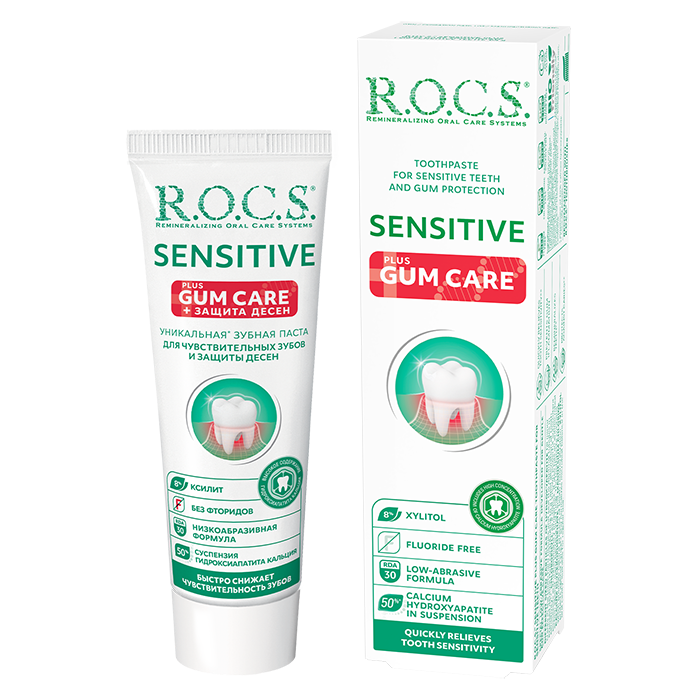
The high prevalence of caries in young children necessitates the use of therapeutic and preventive products that target the primary etiopathogenetic factor of this disease — pathogenic microflora. This study presents comparative data on the antimicrobial effectiveness of products containing xylitol and chlorhexidine, as well as their effect on the microbiocenosis composition of the dental biofilm.
A total of 30 patients aged 12 to 36 months with early childhood caries (18 boys and 12 girls) were followed for one month. The patients were divided into two equal groups using a blinded method:
It was recommended that the remineralizing gels be applied 4–5 times a day after toothbrushing. All procedures were performed by the patients' parents at home after receiving prior instruction.
At baseline and at the end of the prescribed treatment course, all patients underwent molecular biology testing using multiplex PCR at the NIMSI laboratory.
In group 1, a significant reduction in colonization by cariogenic species was detected, along with a positive effect of the R.O.C.S. Medical Minerals remineralizing gel components on the ratio of cariogenic to resident species, as well as a decrease in the quantity and frequency of detection of certain periodontopathogenic anaerobic bacteria (Table 1). An important positive feature of the change in the dental biofilm microbiocenosis composition in the first group was also the disappearance of Candida fungi.
Examination of the microbial flora of dental plaque in group 2 patients one month after treatment showed only some positive shifts in the ratio of cariogenic to normal flora, and a decrease in the frequency of detection of certain virulent strains. At the same time, the quantity and frequency of detection of representatives of the resident bacterial group — enterococci — decreased. In addition, the detection rate of the yeast-like fungus Candida albicans increased, with a statistically significant rise in the fungal colonization of dental plaque. These data indicate the development of dysbiosis with the use of chlorhexidine.
Table 1. Comparative assessment of changes in the frequency of detection of microbial flora in dental plaque between the two groups after a course of therapy
| Genus, species of bacteria | 0.1% chlorhexidine | R.O.C.S. Medical Minerals with xylitol |
|---|---|---|
| Streptococcus mutans (cariogenic strain) | no change | 45.4% reduction |
| Actinomyces spp. (cariogenic strain) | 33.3% reduction | 44.5% reduction |
| Veillonella parvula (resident) | 24.7% increase | 40.2% increase |
| Porphyromonas gingivalis (periodontopathogen) | 66.5% reduction | no change |
| Prevotella melaninogenica (virulent strain) | 20% increase | 44.5% reduction |
| Fusobacterium nucleatum (periodontopathogen) | 4.8-fold increase | 33.5% reduction |
| Candida albicans (fungus, pathogen) | 49.8% increase | complete disappearance |
A clinical examination after one month showed no new carious cavities or demineralization foci in group 1 patients; existing chalky spots regained their luster; the progression of carious defects was halted; and signs of catarrhal gingivitis disappeared.
During the clinical examination of group 2 patients, no new carious cavities were recorded either; the disappearance of catarrhal gingivitis signs was observed in 80% of patients (of those who had it at baseline).
The inclusion of both xylitol and chlorhexidine as antimicrobial therapy in the comprehensive treatment plan for early childhood caries leads to a reduction in the detection frequency and colonization level of cariogenic and periodontopathogenic flora in dental plaque.
The data presented indicate a more physiological action of xylitol; it has a positive effect on the microbiocenosis composition of the dental biofilm, normalizing the qualitative (species) composition and the quantitative bacterial load of both cariogenic and stabilizing resident species.
Very few substances are known today that can significantly affect the caries-causing environment in the mouth and reduce the risk of tooth decay. One of the most widely studied substances with an anti-caries effect is xylitol. However, the antibacterial mechanism of xylitol is not fully understood. This study provides data confirming xylitol's ability to significantly inhibit the adhesion of oral streptococci, the primary formers of dental plaque. These bacteria delay the development of caries- and periodontal disease-causing bacteria on tooth surfaces through a mechanism called co-adhesion. We also revealed the ability of xylitol to inhibit the adhesion of Streptococcus sobrinus, a microorganism associated with caries, and Staphylococcus aureus, which increases the virulence level of dental plaque. This mechanism of action is realised in toothpaste within the time period traditionally recommended for brushing teeth.
Confirmation of hypoallergenicity:
The article deals with the findings in the evaluation of the allergenic properties of "R.O.K.S." lime toothpastes for infants under 3 and "R.O.K.S." raspberry and strawberry toothpastes for children aged between 4 and 7 years old based on the adequate model of the animals with the contact dermatitis by means of the passive skin anaphylaxis. The authors proved that both toothpastes did not have any allergenic effect and may be recommended for application among children disposed to allergic reactions.
Aqua, Silica, Glycerin, Xylitol, Hydroxyapatite, Xanthan Gum, Calcium Glycerophosphate, Cocamidopropyl Betaine, Sodium Lauroyl Sarcosinate, Aroma, Lonicera Caprifolium Extract, Lonicera Japonica Extract, Hydroxyacetophenone, Sodium Benzoate, Sodium Saccharin, Magnesium Chloride, O-cymen-5-ol, Benzyl alcohol, Geraniol, Citronellol.
Brush twice a day (morning and evening) with a children's toothbrush. Recommended toothbrushing time is 2-3 minutes.
Preschool children should brush their teeth under adult supervision.
If a child is fussy and refuses to brush, themed rhymes and riddles can help.
To help your child get into a regular oral hygiene routine, print out the toothbrushing calendar, where the child can color in the boxes themselves after each brushing. Use colorful pencils.

R.O.C.S. PRO Kids toothpaste is designed for enhanced protection and restoration of primary and permanent tooth enamel in children from age three. The unique MINERALIN Dent mineral complex with bioavailable hydroxyapatite actively saturates enamel with trace elements, seals microdamage, and reduces tooth sensitivity — a common issue in children when enamel thins. Long-term clinical studies have confirmed the high effectiveness of R.O.C.S. PRO Kids toothpastes in preventing caries and gum inflammation. The toothpaste's gentle base provides thorough cleaning without damaging immature children's enamel.
A white toothpaste with a pronounced berry flavor.
* Russian Abrasivity Index reflects the cleaning capacity level of oral care products and polishing pastes. Products with a higher RIA value have enhanced cleaning properties, but are also a risk factor for the development of non-carious dental lesions, therefore the choice of toothpaste should be guided by the condition of the hard dental tissues.
The DRC group of companies, in collaboration with the Institute of Digital Dentistry of the RUDN Medical Institute, has developed and is implementing a new toothpaste abrasivity measurement standard in Russia that meets the highest requirements: safety, accuracy, reproducibility. Принято. This methodology is an alternative to the RDA measurement method and offers a number of advantages. Its effectiveness has been confirmed by a large-scale experimental and clinical study involving 534 patients.
The methodology is based on a rotary machine and digital technologies developed by a research group of dentists, physicists, and digital modeling specialists. QLF diagnostics, intraoral scanning, and digital analysis were used in the work, which made it possible to obtain objective data on tooth wear and the influence of abrasivity over time.
More detailed information on the Russian Abrasivity Index (RIA)
A two-year study confirming the anti-caries and anti-inflammatory properties of R.O.C.S. toothpaste with xylitol and active minerals (calcium glycerophosphate + magnesium chloride):
A two-year program of supervised toothbrushing carried out in schools on children aged 6-7 using R.O.C.S. (Re-mineralizing Oral Care System) toothpastes has shown very effective results in reducing the OHI-S index scores by 53-57%, the GI index scores by 57-73% and the 2-year DMFT scores by 29-32%. Remineralizing toothpastes with-out fluorine, containing 500 ppm AmF or 1000 ppm NaF, were as effective in terms of improving the oral health of the schoolchildren.
Using R.O.C.S. PRO Kids Wild Berries toothpaste helps improve dental status in children with hormonal disorders:
Based on dynamic monitoring of the dental status of 59 children (31 boys, 28 girls) aged 5 to 7 years, 34 of whom had diabetes mellitus, an assessment was made of the influence of this somatic pathology on the condition of the hard dental tissues, periodontium, and the level of individual oral hygiene. The children were followed for one year. After oral cavity sanitation, the children used R.O.C.S. Kids toothbrushes with extra-soft bristles and R.O.C.S. PRO Kids "Wild Berries" toothpaste for oral care.
It was found that children with type I diabetes mellitus suffer from inflammatory periodontal pathology more often than healthy children, and their dental caries progresses more intensively than in children without somatic diseases. To maintain the dental health of children with diabetes mellitus, professional therapeutic and preventive measures should be performed quarterly using age-appropriate oral care products.
The active formula of R.O.C.S. PRO Kids Wild Berries is identical to the formula of the toothpaste studied (50% hydroxyapatite emulsion, calcium glycerophosphate, magnesium chloride, and xylitol), which allows the study results to be extrapolated:
The aim of this study was to evaluate the effectiveness of a toothpaste based on calcium hydroxyapatite, silica, and calcium glycerophosphate in reducing dentin hypersensitivity caused by the loss of hard dental tissues (erosion, wedge-shaped defects, microfractures, chips, abrasion, etc.).
The study group included 30 people aged 20 to 56 years with pronounced symptoms of tooth sensitivity and enamel integrity defects.
The subjects used R.O.C.S. SENSITIVE REPAIR & WHITENING toothpaste daily for one month. The level of dentin hypersensitivity was determined by an instrumental method (YeapleProbes device) and subjectively (Schiff scale). Tooth color was determined using a VITA Easyshade Compact spectrophotometer (VITA Zahnfabrik, Germany). The parameters were recorded at baseline and after 4 weeks.
Fig. 1. Upper jaw
Fig. 2. Lower jaw
Fig. 3. Upper jaw
Fig. 4. Lower jaw
During the use of the test toothpaste, a significant improvement in the studied parameters of the hard dental tissues was recorded in all subjects. The toothpaste based on mineral components (hydroxyapatite and calcium glycerophosphate) demonstrated high clinical effectiveness for patients with hypersensitivity of the hard dental tissues.
The dynamics of instrumental tooth color recording before and after the use of the test toothpaste and the subjective impressions of patients showed that, in addition to reducing sensitivity, the use of this toothpaste improves the color of the tooth enamel.
Evidence of the prebiotic and anti-adhesive properties of xylitol (normalization of microflora, protection against cariogenic bacteria and Candida fungi):
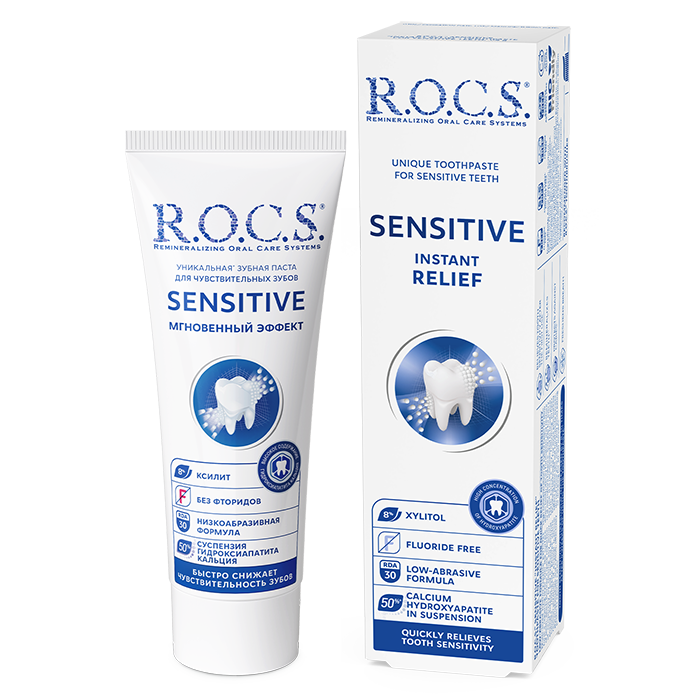
The high prevalence of caries in young children necessitates the use of therapeutic and preventive products that target the primary etiopathogenetic factor of this disease — pathogenic microflora. This study presents comparative data on the antimicrobial effectiveness of products containing xylitol and chlorhexidine, as well as their effect on the microbiocenosis composition of the dental biofilm.
A total of 30 patients aged 12 to 36 months with early childhood caries (18 boys and 12 girls) were followed for one month. The patients were divided into two equal groups using a blinded method:
It was recommended that the remineralizing gels be applied 4–5 times a day after toothbrushing. All procedures were performed by the patients' parents at home after receiving prior instruction.
At baseline and at the end of the prescribed treatment course, all patients underwent molecular biology testing using multiplex PCR at the NIMSI laboratory.
In group 1, a significant reduction in colonization by cariogenic species was detected, along with a positive effect of the R.O.C.S. Medical Minerals remineralizing gel components on the ratio of cariogenic to resident species, as well as a decrease in the quantity and frequency of detection of certain periodontopathogenic anaerobic bacteria (Table 1). An important positive feature of the change in the dental biofilm microbiocenosis composition in the first group was also the disappearance of Candida fungi.
Examination of the microbial flora of dental plaque in group 2 patients one month after treatment showed only some positive shifts in the ratio of cariogenic to normal flora, and a decrease in the frequency of detection of certain virulent strains. At the same time, the quantity and frequency of detection of representatives of the resident bacterial group — enterococci — decreased. In addition, the detection rate of the yeast-like fungus Candida albicans increased, with a statistically significant rise in the fungal colonization of dental plaque. These data indicate the development of dysbiosis with the use of chlorhexidine.
Table 1. Comparative assessment of changes in the frequency of detection of microbial flora in dental plaque between the two groups after a course of therapy
| Genus, species of bacteria | 0.1% chlorhexidine | R.O.C.S. Medical Minerals with xylitol |
|---|---|---|
| Streptococcus mutans (cariogenic strain) | no change | 45.4% reduction |
| Actinomyces spp. (cariogenic strain) | 33.3% reduction | 44.5% reduction |
| Veillonella parvula (resident) | 24.7% increase | 40.2% increase |
| Porphyromonas gingivalis (periodontopathogen) | 66.5% reduction | no change |
| Prevotella melaninogenica (virulent strain) | 20% increase | 44.5% reduction |
| Fusobacterium nucleatum (periodontopathogen) | 4.8-fold increase | 33.5% reduction |
| Candida albicans (fungus, pathogen) | 49.8% increase | complete disappearance |
A clinical examination after one month showed no new carious cavities or demineralization foci in group 1 patients; existing chalky spots regained their luster; the progression of carious defects was halted; and signs of catarrhal gingivitis disappeared.
During the clinical examination of group 2 patients, no new carious cavities were recorded either; the disappearance of catarrhal gingivitis signs was observed in 80% of patients (of those who had it at baseline).
The inclusion of both xylitol and chlorhexidine as antimicrobial therapy in the comprehensive treatment plan for early childhood caries leads to a reduction in the detection frequency and colonization level of cariogenic and periodontopathogenic flora in dental plaque.
The data presented indicate a more physiological action of xylitol; it has a positive effect on the microbiocenosis composition of the dental biofilm, normalizing the qualitative (species) composition and the quantitative bacterial load of both cariogenic and stabilizing resident species.
Very few substances are known today that can significantly affect the caries-causing environment in the mouth and reduce the risk of tooth decay. One of the most widely studied substances with an anti-caries effect is xylitol. However, the antibacterial mechanism of xylitol is not fully understood. This study provides data confirming xylitol's ability to significantly inhibit the adhesion of oral streptococci, the primary formers of dental plaque. These bacteria delay the development of caries- and periodontal disease-causing bacteria on tooth surfaces through a mechanism called co-adhesion. We also revealed the ability of xylitol to inhibit the adhesion of Streptococcus sobrinus, a microorganism associated with caries, and Staphylococcus aureus, which increases the virulence level of dental plaque. This mechanism of action is realised in toothpaste within the time period traditionally recommended for brushing teeth.
Confirmation of hypoallergenicity:
The article deals with the findings in the evaluation of the allergenic properties of "R.O.K.S." lime toothpastes for infants under 3 and "R.O.K.S." raspberry and strawberry toothpastes for children aged between 4 and 7 years old based on the adequate model of the animals with the contact dermatitis by means of the passive skin anaphylaxis. The authors proved that both toothpastes did not have any allergenic effect and may be recommended for application among children disposed to allergic reactions.
Aqua, Silica, Glycerin, Xylitol, Hydroxyapatite, Xanthan Gum, Calcium Glycerophosphate, Cocamidopropyl Betaine, Sodium Lauroyl Sarcosinate, Aroma, Lonicera Caprifolium Extract, Lonicera Japonica Extract, Hydroxyacetophenone, Sodium Benzoate, Sodium Saccharin, Magnesium Chloride, O-cymen-5-ol, Benzyl alcohol, Geraniol, Citronellol.
Brush twice a day (morning and evening) with a children's toothbrush. Recommended toothbrushing time is 2-3 minutes.
Preschool children should brush their teeth under adult supervision.
If a child is fussy and refuses to brush, themed rhymes and riddles can help.
To help your child get into a regular oral hygiene routine, print out the toothbrushing calendar, where the child can color in the boxes themselves after each brushing. Use colorful pencils.