R.O.C.S. toothbrushes: unique by design, proven safe
Why we use PET-G plastic
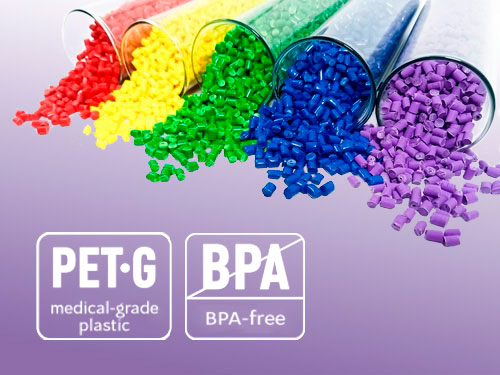
R.O.C.S. toothbrushes are made from
-
Safety. The material doesn't release toxic substances, including
bisphenol-A , so it's safe to use every day. - Strength and flexibility. It resists impact, breakage, and wear, and holds the bristles firmly in place.
- Structural integrity. High interlayer adhesion means no delamination. The smooth surface is easy to wash, which keeps bacteria from building up on it.
Why bisphenol-A is hazardous
Plastic is part of everyday life, but what's in it directly affects your health. Many conventional plastics contain toxic compounds — the most common being
Bisphenol-A is systemically toxic and affects key functions in the body:
-
Main risks:
- Cancer: a higher risk of breast, prostate, and thyroid cancer;
- Endocrine system: diabetes, obesity;
- Cardiovascular system: hypertension, ischemic heart disease, blood clotting disorders;
- Nervous system: impaired neurogenesis, a higher risk of stroke and Parkinson's disease;
- Reproductive health: hormonal imbalances, endometriosis, changes in breast, prostate, and testicular tissue.
-
Other risks:
- Asthma,
- Developmental delays,
- Mental health disorders.

Children are especially vulnerable
Up to age 3, all organs and systems are still actively developing, and the first year of life is essentially a fourth trimester of pregnancy. That's why the safety of materials in children's products matters so much.
Even low doses of bisphenol-A can accumulate and cause long-term harm, so it's important to limit exposure as much as possible — especially during pregnancy and early childhood.
Bisphenol-A is under growing scrutiny worldwide
Traces of
A large body of research has built up, and several countries, including Canada, have restricted or banned products containing it (baby bottles, for example).
So keeping bisphenol-A out of plastic is a key marker of safety for everyday use.
Multi-stage control: how we guarantee bisphenol-A-free toothbrushes

R.O.C.S. toothbrushes are made at the new
- Automated production,
- Equipment from leading global manufacturers,
- Multi-stage control at every step of manufacturing,
- ISO certification,
-
Lab testing for
bisphenol-A and other harmful substances, - Safety testing of the finished product.
Using
Expert lab study protocol
What we tested:
-
Classic medium-hardness adult toothbrush
R.O.C.S. Smart, - R.O.C.S. Baby children's toothbrush,
- Plastic granulate.
How we tested it:
A full analysis (physical, chemical, and thermal properties) using both destructive and non-destructive methods.
What we found:
- No toxic substances released,
- Meets the bisphenol-A-free standard.
Download expert opinion No. 03-10/25-Kh dated 03.10.2025 in Russian:

Why we use polyamide filament bristles
- Hygiene. Synthetic bristles are less likely to harbor bacteria than natural ones.
- Durability. Polyamide is strong and resists abrasion and deformation.
- Versatility. It works in toothbrushes of any hardness, including ultra-soft.
- Polishability.
Triple tip polishing technology
Our unique triple tip polishing technology makes brushing safe for both adults and children. The rounded, polished bristle tips won't damage enamel or dental restorations, and won't hurt your gums.
R.O.C.S. toothbrushes

Regular toothbrushes


